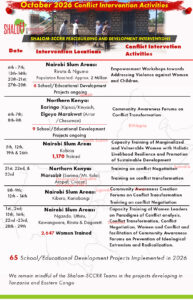
(Pictures, captions, and links added by the Shalom-SCCRR Communication Department)
Introduction.
Shalom-SCCRR is an inter-religious non-governmental organization that works in Africa; mainly, in the Eastern African member countries of the Intergovernmental Authority on Development (IGAD). Shalom’s vision is a society in which peace, justice, and reconciliation prevail throughout Africa. Its mission is to work for a society free of physical violence and unjust social structures in Africa. Its main objective is to attain conflict transformation and conflict resolution for all people in Africa through empowering local communities to be architects of their own interdependent future of reconciled co-existence. Shalom’s inter-faith team not only have postgraduate qualifications that befit the theoretical and functional demands of conflict transformation and peacebuilding but also possess practical skills in building authentic trust between antagonistic communities. The conflict environments where Shalom intervenes are characterized by manifest and structural violence. Credentials in social science research methodologies, statistics, political science, conflict transformation, peacebuilding, and development are some of the foremost qualifications of the Shalom team members since it was founded.

Shalom-SCCRR 2025; Overview of Interventions, Results, and Achievements
Conflict Transformation and Peacebuilding Achievements (https://shalomconflictcenter.org/2025-conflict-transformation-peacebuilding-results-and-achievements/)
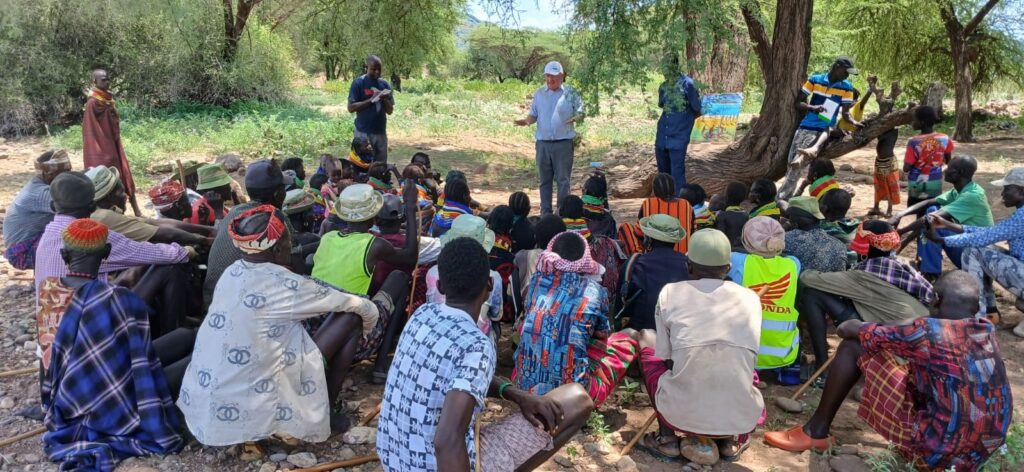
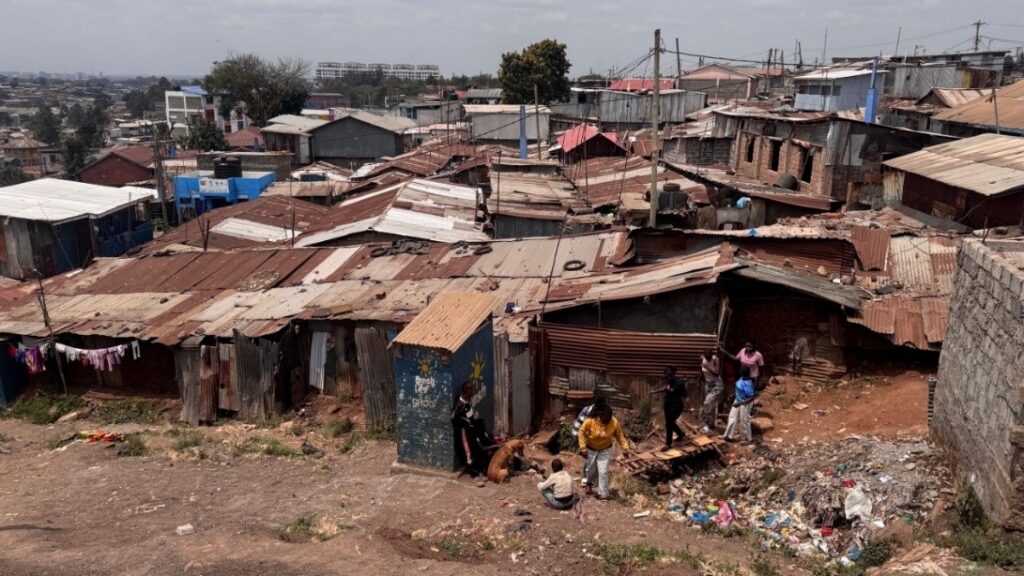
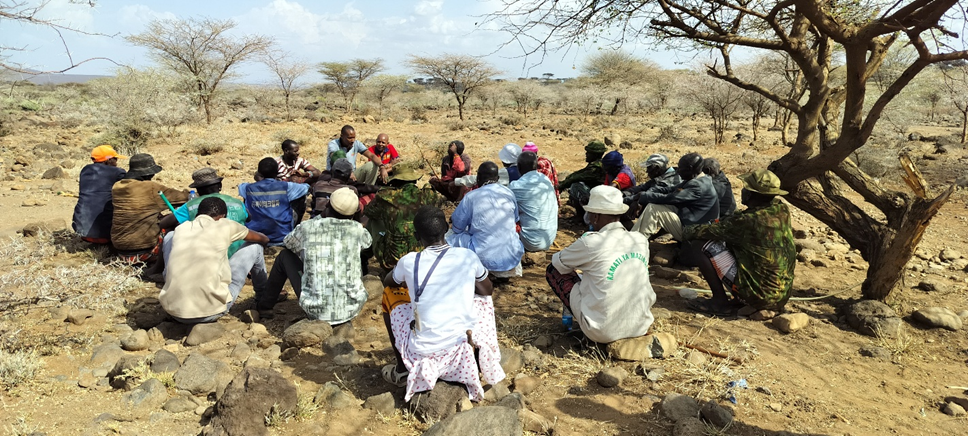
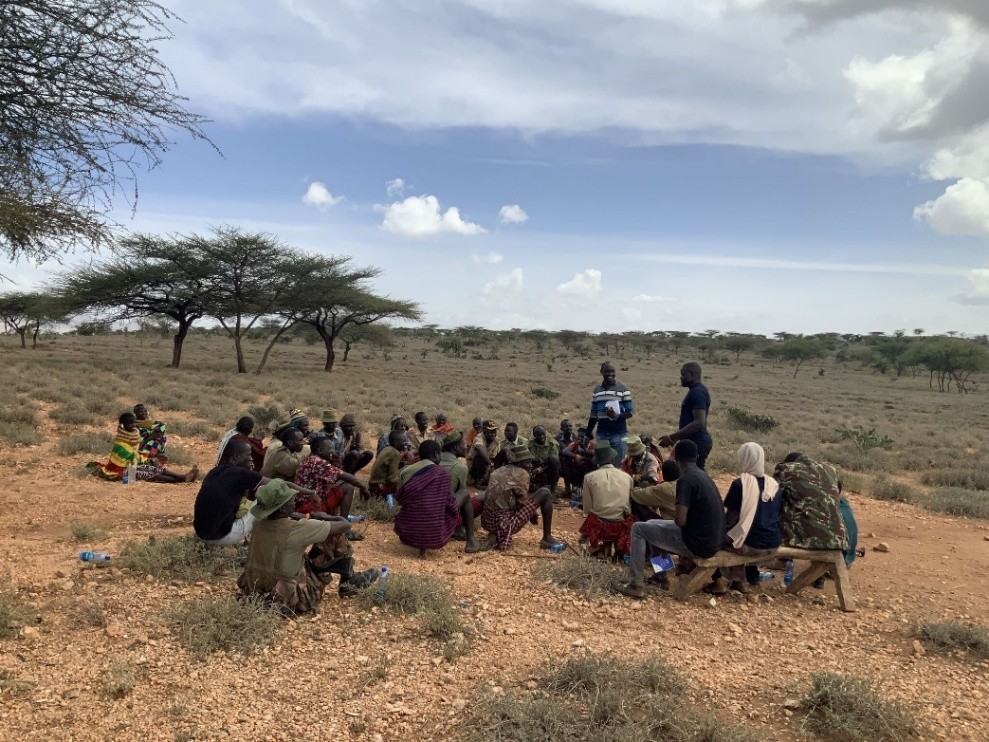
- 159 Conflict transformation and Peacebuilding training workshops in 36 conflict zones for significant Shalom-SCCRR Peace Groups of influential opinion shapers in the urban informal settlement conflict hotspots, marginalized areas of Eastern Africa, particularly where Kenya-Ethiopia-South Sudan-Uganda interface each other, and the Democratic Republic of Congo (DRC) and Tanzania.
- 5,591 Members of Shalom-SCCRR Peace groups trained on conflict analysis, leading to the design and implementation of locally driven and sustained conflict transformation and peacebuilding initiatives.
- 16 Training Workshops on prevention of Religious Ideological Extremism in 7 project areas located in Nairobi and Mombasa informal settlements/slums in Kenya.
- 11 Training Workshops on prevention of human and organ trafficking, equipping communities with knowledge and skills to identify, prevent, and respond to trafficking.
- Shalom-SCCRR has an MoU with Tangaza University College in Kenya (Constituent College of The Catholic University of Eastern Africa). Rev. Dr. Patrick Devine is the current vice-chairman of the university council. The MoU addresses Research and Course Development on educational factors of Conflict Transformation Skills and Peacebuilding Techniques, countering issues of violence such as Inter-ethnic Conflict, Religious Ideological Extremism, Violence Against Women and Children, Marginalization, among others. Shalom provided a course there for 14 years and developed the first draft of a curriculum for an MA in Peace.
Shalom Empowerment Center (SEC) Addressing Violence Against Women and Children (https://shalomconflictcenter.org/2025-shalom-empowerment-center-sec-addressing-violence-against-women-and-children-results-and-achievements/)
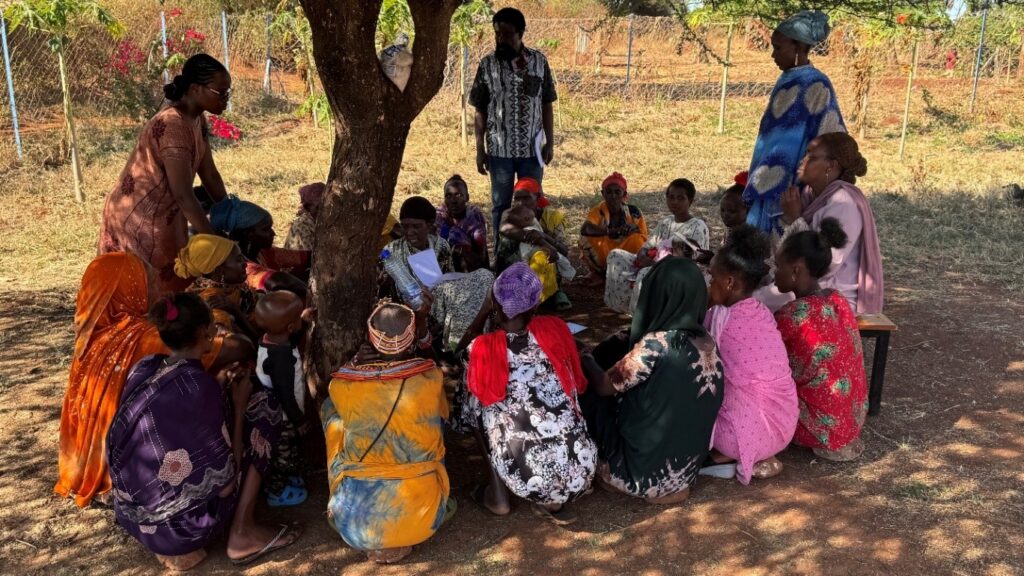
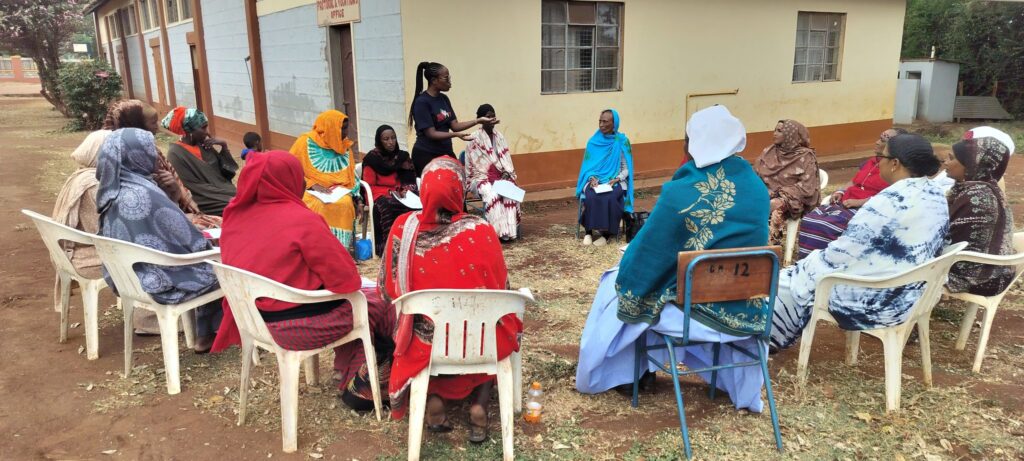
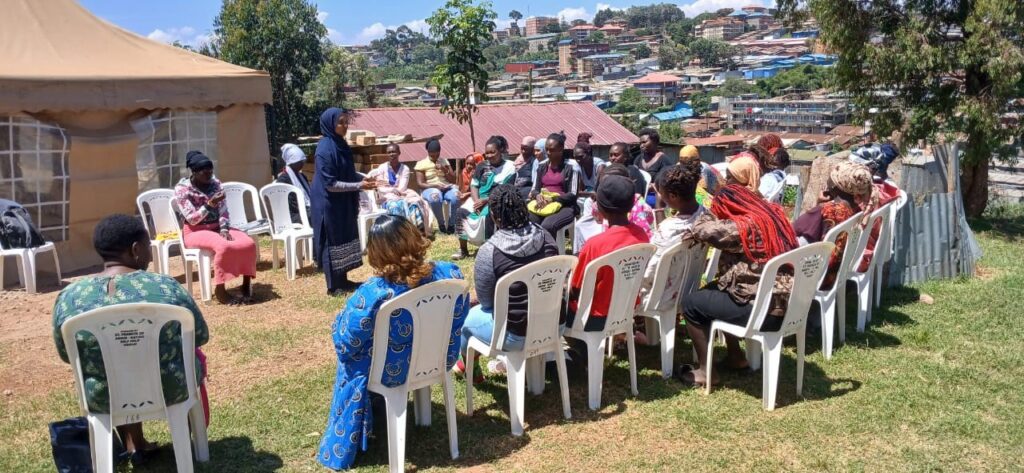
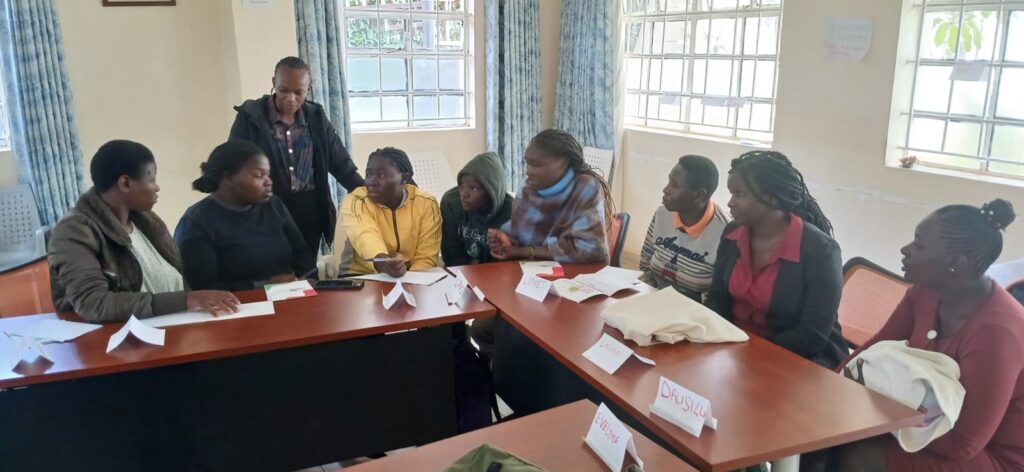
- 4,017 Women from urban informal settlements and slums were equipped with knowledge and capacity to prevent human and organ trafficking, as well as religious ideological extremism.
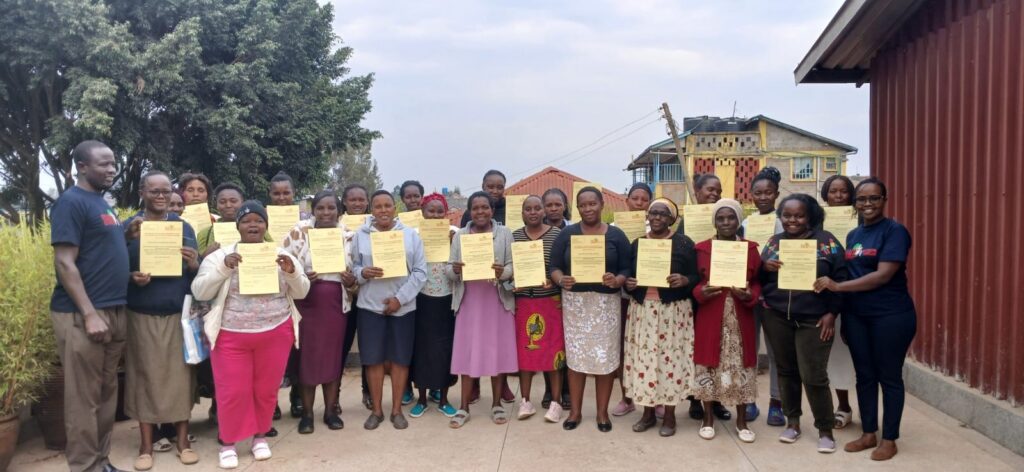
- 2,752 Women from informal urban settlements (slums) and remote and marginalized conflict environments in northern Kenya, empowered with analytical skills and Peacebuilding techniques, for Conflict Transformation and Reconciliation.
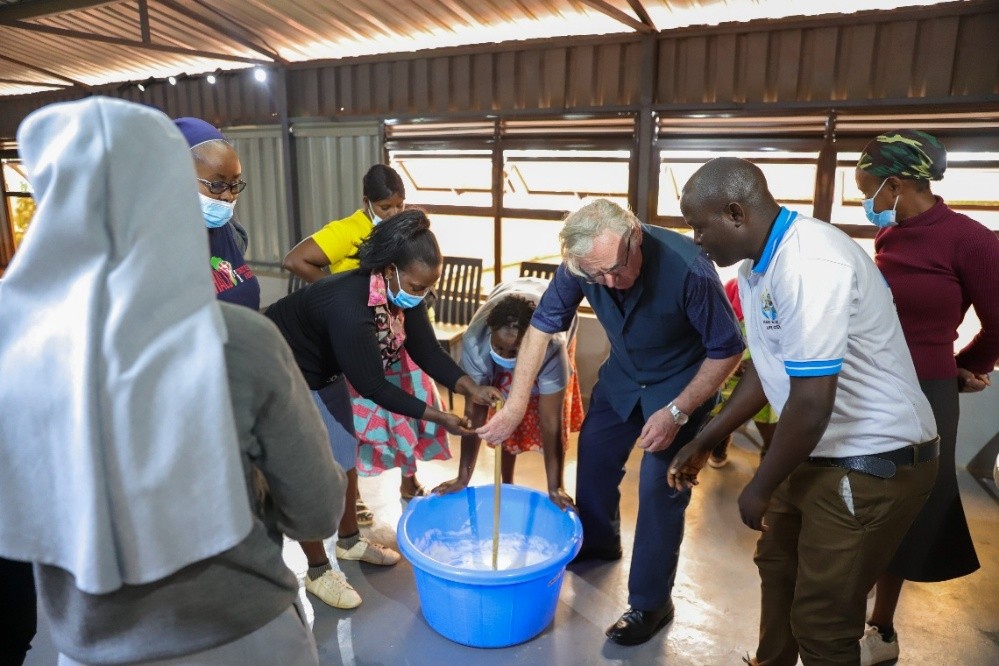
- 1,496 Women empowered through 73 Workshops on the Dignity of Life with Holistic Livelihood Resilience Capacity, Life skills, and other relevant courses and interventions, essential for resolving all forms of manifest and structural violence.
- 62% Women participants are actively involved in Shalom-SCCRR Conflict Transformation and Peacebuilding initiatives.
School/Educational Development & Peace Education Achievements (https://shalomconflictcenter.org/2025-school-educational-development-results-and-achievements/)
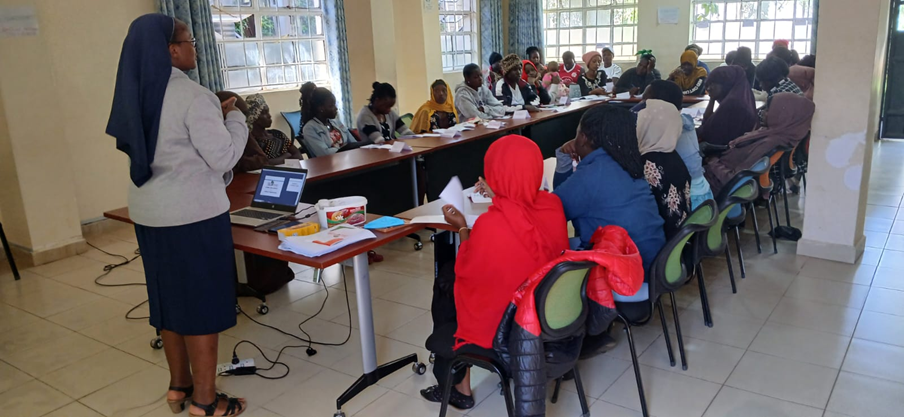
- 70 School/Educational Development Projects completed in 46 Institutions, empowering and stabilizing Conflict Transformation and Peacebuilding interventions in 36 conflict zones.
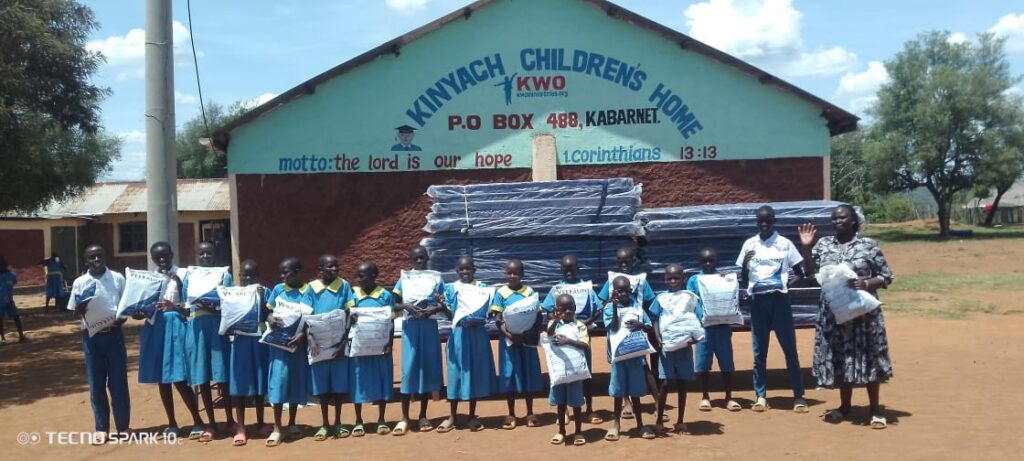
- 26,770 Pupils and Students benefiting from the 70 Shalom-SCCRR-funded projects: Classrooms, Accommodation facilities, Solar lighting systems, Gender sanitary items, Books, Desks, School Water systems, Science Laboratory Equipment, etc.
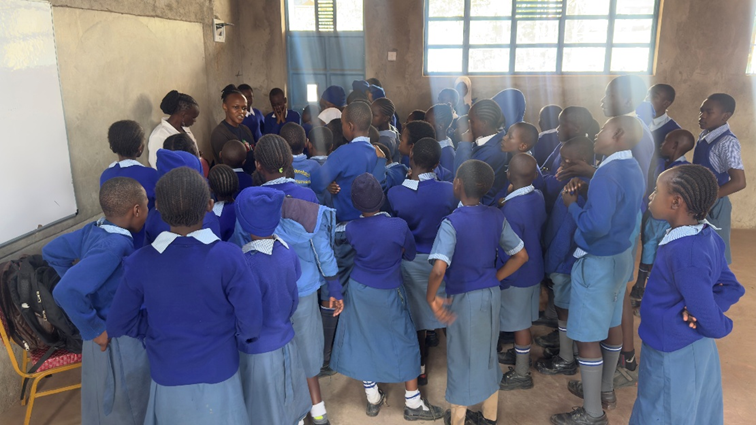
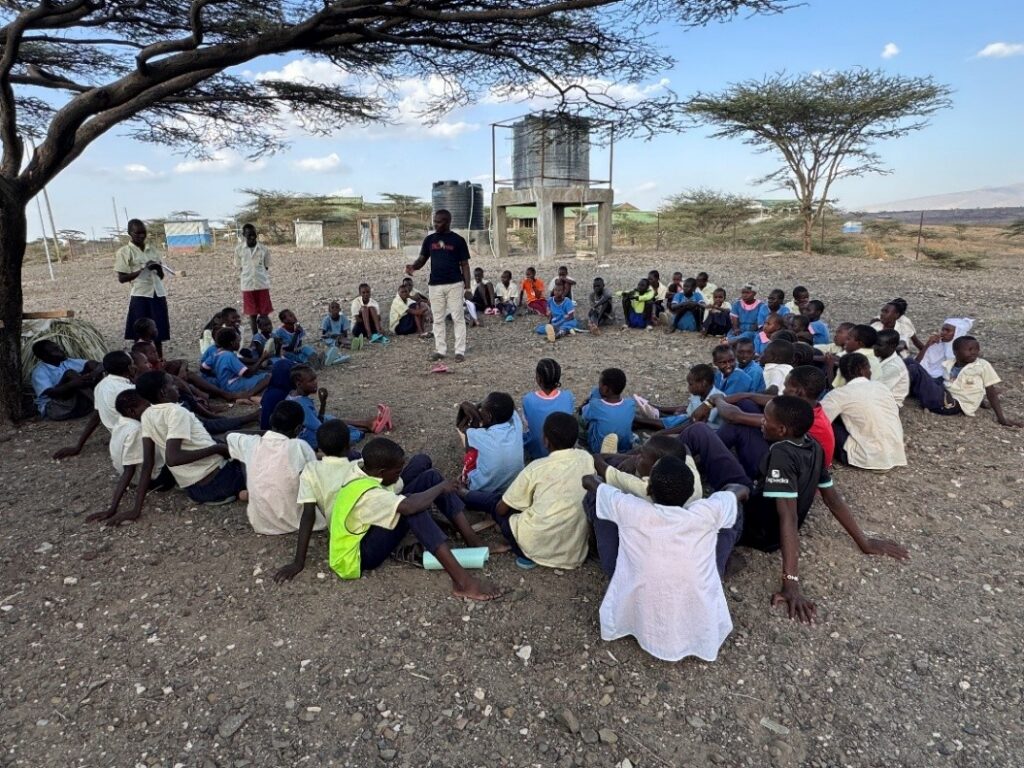
- 18,500+ Pupils and Students benefiting from the Shalom-SCCRR Peace Education Program implemented in primary and secondary Schools located in violent conflict zones.
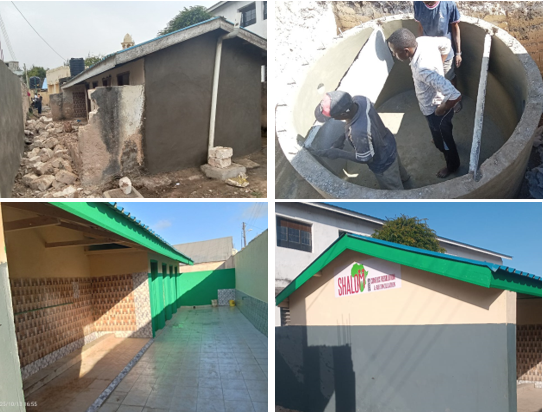


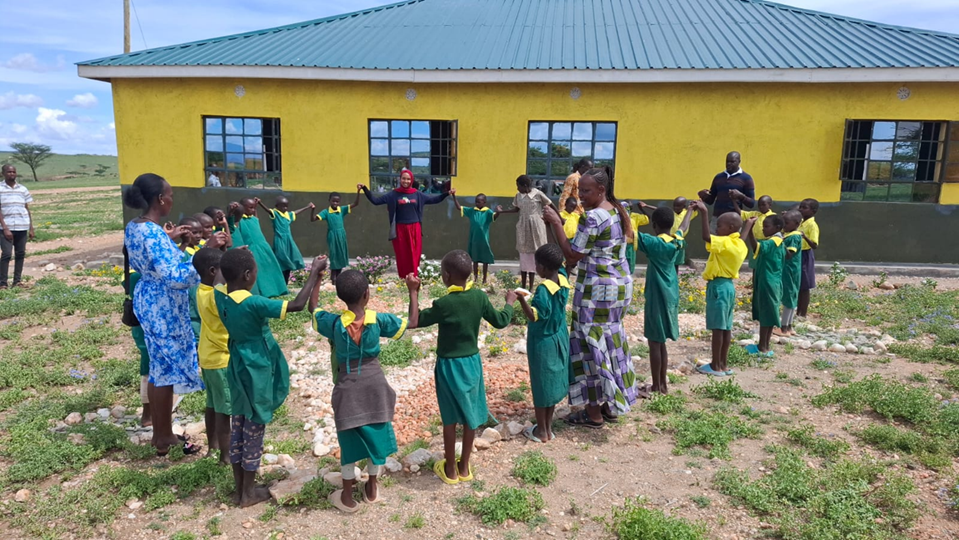
Synopsis Reflection-Recollection on how Shalom-SCCRR Operates in respect to Vision, Mission and Values.
Shalom-SCCRR’s Entry Strategy to the Conflict Environment;
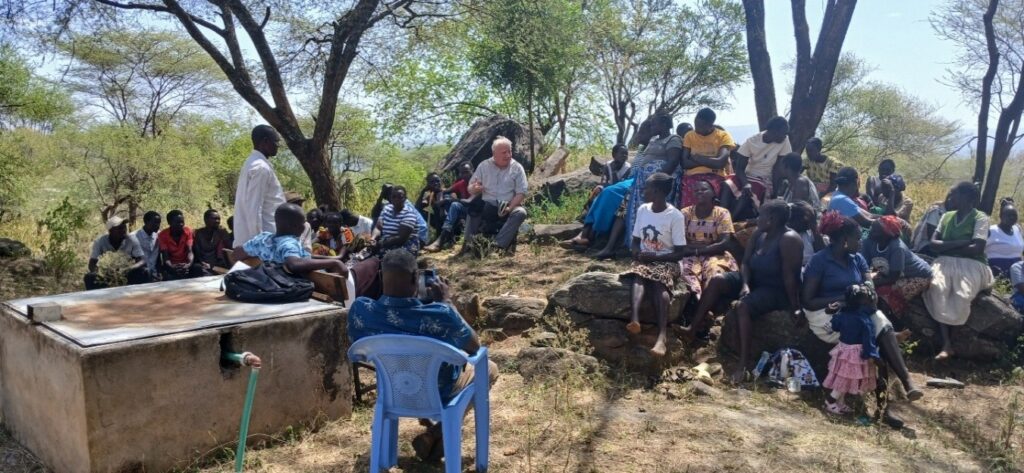
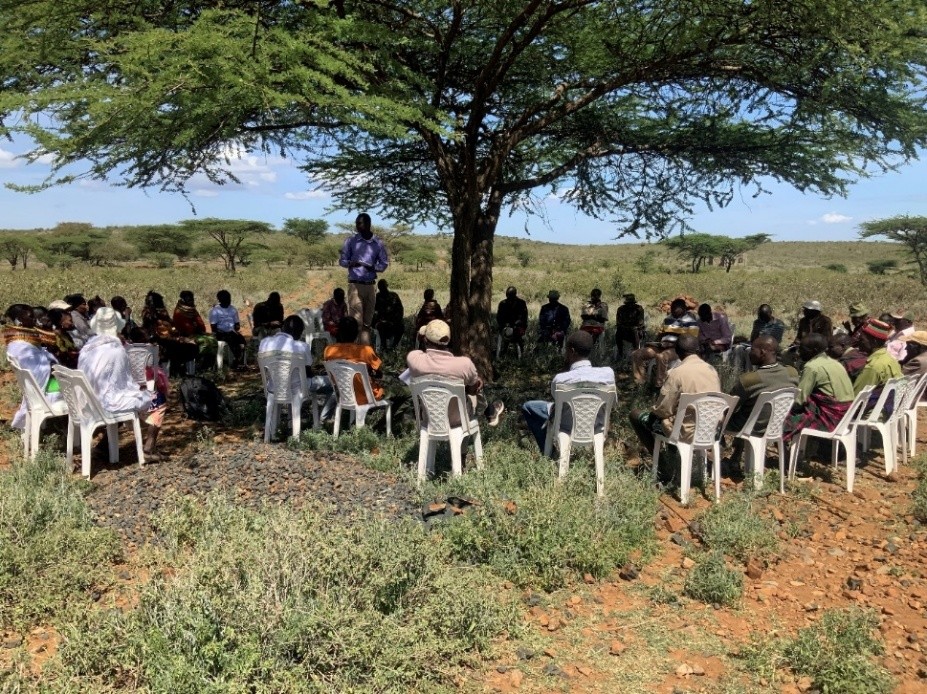
- Shalom-SCCRR’s entry into conflict prone areas, considered the locations and/or ‘fomenting grounds’ of interethnic conflict, religious ideological radicalization- extremism, violence against women and children, and human and organ trafficking, and other forms of violence, begins with being invited and legitimized by stakeholders. The stakeholders include government officials such as local chiefs, community elder-leaders, religious institutions, women and youth, education officials-teachers, notable elites, and other influential opinion shapers. The invitation and legitimization process involves consultation with relevant State security officials and administrators to ensure legitimate authorization.
- This is followed by building authentic relationships with the actors in conflict, stakeholders and key influential opinion shapers.
- During the consultative and relationship building process, the Shalom team attentively and sensitively listens to the perceptions, observations, concerns, vision and suggested interventions of all parties mentioned above. This enables the building of dependable trust, ensuring the security of conflict transformation and peacebuilding practitioners, and establishing the level of physical, psychological, spiritual, emotional, and the post-traumatic stress disorder (PTSD) impacts that the conflict dynamics have had on the affected communities and other key influential opinion shapers.
- The entry process takes into account the fact that the context and actors in a conflict evolve; dynamics and perceptions are never static. Engaging in quality entry mechanism enhances the success of the next stage of the process which is the conduct of rigorous quantitative empirical research on both the causes and persistence of the conflict dynamics.
- Throughout this process, there is need for continual assessment of the security risks and exit strategies for all parties involved in the process.
Shalom’s vision, mission, and objectives are legitimated by the sacredness and dignity of all human life, human rights, democracy, environmental security, and respect for ethnic and religious diversity.
Bearing in mind the continuums of manifest violence moving to reconciliation, and terrorism to tolerance, the following operational model: ‘Humanitarian <> Research <> Conflict Transformation of Manifest Violence <> Negative Peace <> Conflict Transformation of Structural Violence <> Agreed on Peacebuilding Infrastructural Development Initiatives (especially interethnic and interreligious school/educational projects) <> Conflict Resolution/Positive Peace/Reconciliation’ is reflected in Shalom interventions.
The model has been designed, piloted and implemented by Shalom-SCCRR in addressing rural and urban inter-ethnic conflicts, religious ideological extremism- intolerance, violence against women and children (born and unborn), and human and organ trafficking in Eastern Africa.
Depending on the conflict variables being attended to, the model’s logistics and strategic intervention elements are fine-tuned accordingly. These conflict situations present immense challenges to the goal of achieving environments of sustainable peace and development, where issues of dignity of life, human rights, religious freedom, among others, are legitimized in law and cultural practice. Thus, Shalom’s conflict management interventions comprise a set of structured and functionally inter-related initiatives and activities within the purview mainly of inter-ethnic conflict, the need to attenuate/obviate religious ideological extremism, address violence against women and children, counter human and organ trafficking, among other issues.


The Project Interventions/Initiatives/Activities are summarized in the following Objectives:
- Conduct research and analysis, primarily through the application of the Paradigms of Realism, Structuralism and Conflict Research, into the causes of conflicts and their persistence. This is done in order to inform policy directions for advocacy and transformation interventions. Generation of sound knowledge through quantitative empirical research on why/how there is inter-ethnic conflict, religious ideological extremism-intolerance, violence against women and children and human-trafficking (and other conflict issues), is the foundational basis for conflict transformation and peacebuilding initiatives/activities. The research findings are the only reliable source to inform government/IGAD policy practices in the context of localized inter- communal conflict occurrences and recurrences. The emergence of the authoritative researched voice of the local communities is imperative in this process.
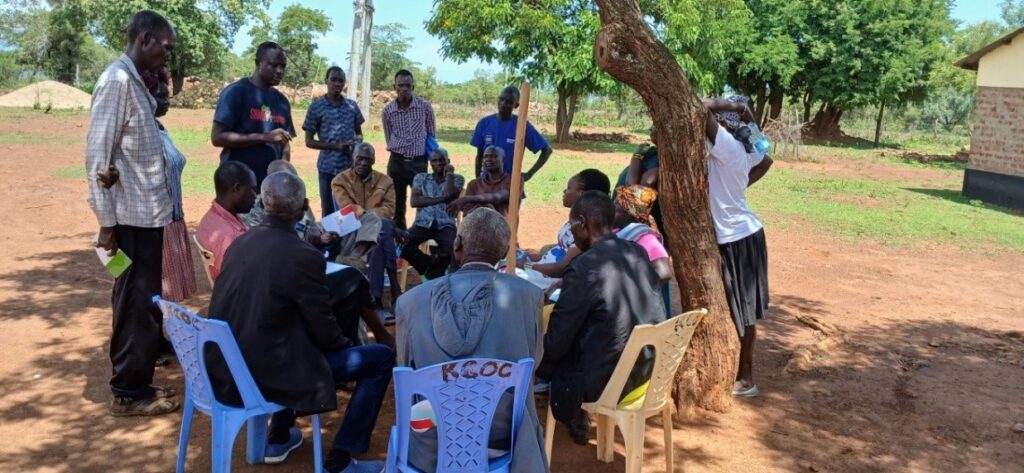
- Training and empowering community leaders – key influential opinion-shapers – in research, analytical skills, conflict transformation and peacebuilding techniques (at the personal, relational, structural/institutional, cultural, and religious extremism levels) reconciliation and negotiation dynamics. These interventions equip purposively selected locals with the tool-kits for use in conflict problem-solving workshops and cooperative infrastructure development.
- Influence National and Regional Peace-Development Policy to transform the relevant conflict issues mentioned above.
- Training and empowering local government administration and security personnel in conflict analysis and procedural conflict transformation and peacebuilding approaches to settle and resolve conflicts.
- Augmenting the conflict transformation and peacebuilding capacities of Government, Civic, Religious, and Non-governmental Organizations.
- Constructing, rehabilitating, and equipping communities with a wide variety of infrastructure development projects to empower Conflict Transformation and Peacebuilding. Shalom gives particular attention to inter-ethnic and inter-religious schools/institutions with requisite facilities. This is done in sync with introducing/piloting a peace education syllabus in areas of entrenched violent conflict. By doing so, the intervention helps to counter distrust of the ethnic/religious/gender other, as well as preventing the harbouring of, or tendency to perceive, hostile intentions in the behaviour of the ethnic/religious/gender other. Overall, these initiatives foster interethnic, intercommunal, interreligious/gender interdependent peaceful coexistence, among other things, such as the prevention of human and organ trafficking and violence against people with albinism.
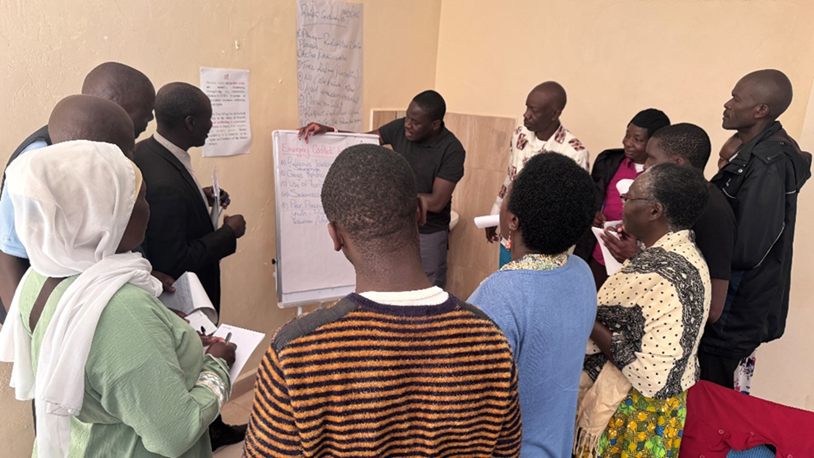
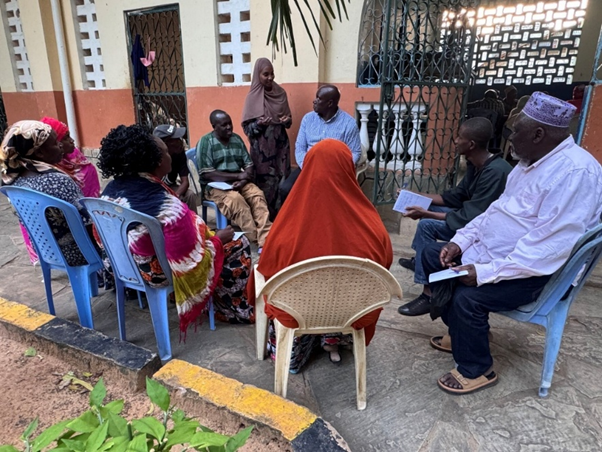

Shalom-SCCRR Conflict Management and Transformation Continuum Stages, by Rev. Dr. Patrick R. Devine
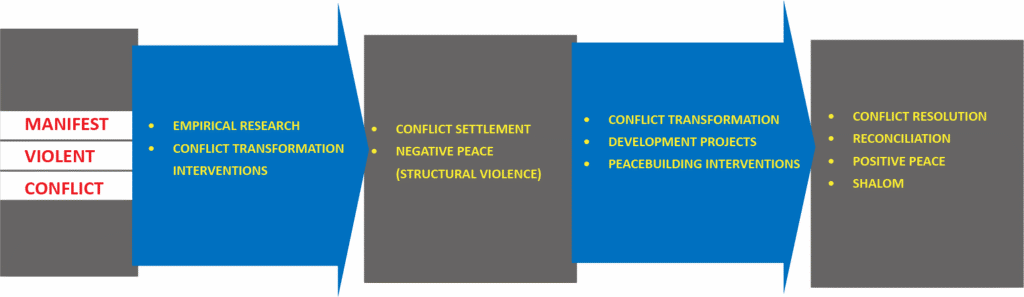
Conflict Management Interventions: A Brief Rationale Overview
We are all aware, to various degrees, what manifest and structural violence can do if it is not prevented, transformed, settled and resolved. Shalom- SCCRR’s conflict transformation, peacebuilding, and infrastructural development contributions for communities, families, vulnerable women and children, and others needing sustainable livelihood resilience and security in eastern Africa are second to none. Our interventions are particularly evident in research, conflict transformation, peacebuilding, governance, and school/educational infrastructural development projects that empower and actualize basic and ontological human needs.
From the standpoint of the humanitarian-peace-development nexus per se, it is self-evident in African conflict environments where people are killed, maimed, and displaced persistently, that essential social and religious values of peace, truth, justice, and mercy find it extremely difficult, if at all possible, to take deep communal root. These gospel values are of utmost importance for people to live normal lives, aspiring to the wholeness of conflict resolution, sustainable peace, and reconciliation. Reconciliation as a process acknowledges the past, reframes the present, and envisions a future where all sides are mutually committed in freedom to the dignity of human life, security, development, and the holistic wellbeing of each other.
In addition, it is also a reality that within the same conflict environments, communities cannot experience sustained development because schools, hospitals, religious amenities, formation facilities, and other essential institutional infrastructure periodically become anomalous, inoperable, or destroyed. Will we be forever rebuilding/rehabilitating development institutions and be morally and ethically indebted or legally obliged to operationalize humanitarian interventions and aid? Yes, if we are not qualified and committed in addressing the underlying causes of conflict and bringing about the necessary conflict transformation and peacebuilding to end manifest and structural violence, leading to sustainable peace where reconciliation is nurtured constantly.
Moreover, and of incomparable significance, Shalom-SCCRR’s methodology, process, and results enable the opportunity for people living in transformed stable environments, as individuals and communities, to experience the gift of ‘God’s Spirit and Peace’ – the ‘Divine Presence’ through, with, and in them. The experience of this ‘Presence’, not only urges us on but empowers us to be the architects of reconciled societies centered on nurturing authentic life-giving relationships with God, our neighbor, oneself and creation. During the course of our lives, this profound experience liberates us from being overpowered by the experience, effects, memories and knowledge of conflict and war. Frequently, those living in situations of manifest and structural conflicts throughout Africa feel neglected or abandoned by religious and political actors.

The experience of the ‘Divine Holy Spirit’ endows us with faith, hope and charity in our daily existence, to actively bloom where we are planted in caring for all humankind and their environments, realizing peace and reconciliation enroute as we journey towards an eternity in the ‘Peace of the Divine Presence’. At the heart of the ‘Divine Presence and Mission’ is the realization of reconciliation, operationalized and made tangible through peace, truth, justice, and ultimately mercy. Mercy as an ultimate expression of love is evidenced in the recognition of the need to forgive and to be forgiven; ‘the measure of love is to love without measure’ (St. Augustine) – the ‘Love of the Divine’. Let us recall the words of Jesus of Nazareth, as he shed tears over Jerusalem, “if this day you only knew what makes for peace” (Luke 19:41, bible.usccb.org); let it not be hidden from our eyes. Let us be filled with the utter fullness of the ‘Divine Presence and Mission’.
The ‘Divine’ is forever reaching out to us to eternally experience the ‘Hallowedness’ of its ‘Presence and Mission’ in ‘Spirit, Word and Deed’. The ‘Divine’ yearns to bless us daily with the wholeness of its ‘Presence’ – ‘the Bread of Life’ – and to unite us with its ‘Presence and Mission’ in enabling and empowering its ‘Kingdom Come’ and ‘Will be done’ on earth as it is in heaven. The ‘Mission of the Divine’ is for us to experience its Hallowed Loving Presence and Peace, through, with and within us, in the coming of the ‘Divine Kingdom’ and the ‘Divine Will’ being done. Peace, truth, justice and mercy stand as pillars of the ‘Divine Parental Love’ for us in relationships as individuals, neighbours, communities and the creation we are blessed with. We are called to be hallowed as participants in the Divine Presence and Mission of Love. This Divine Mission to us is ever available, to a) be forgiven our trespasses as we forgive those who trespass against us, b) protect us from falling into any temptation that will separate us from the Divine, and c) deliver us from all evil as we journey to eternal life in the Presence and Peace of the Divine. Peace be with you. Love one another as the Divine loves us – Shalom! Amen!
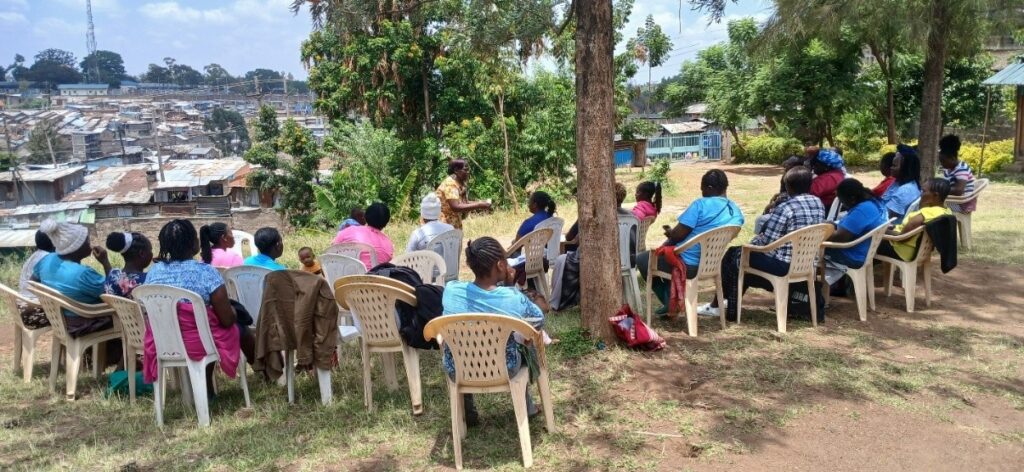
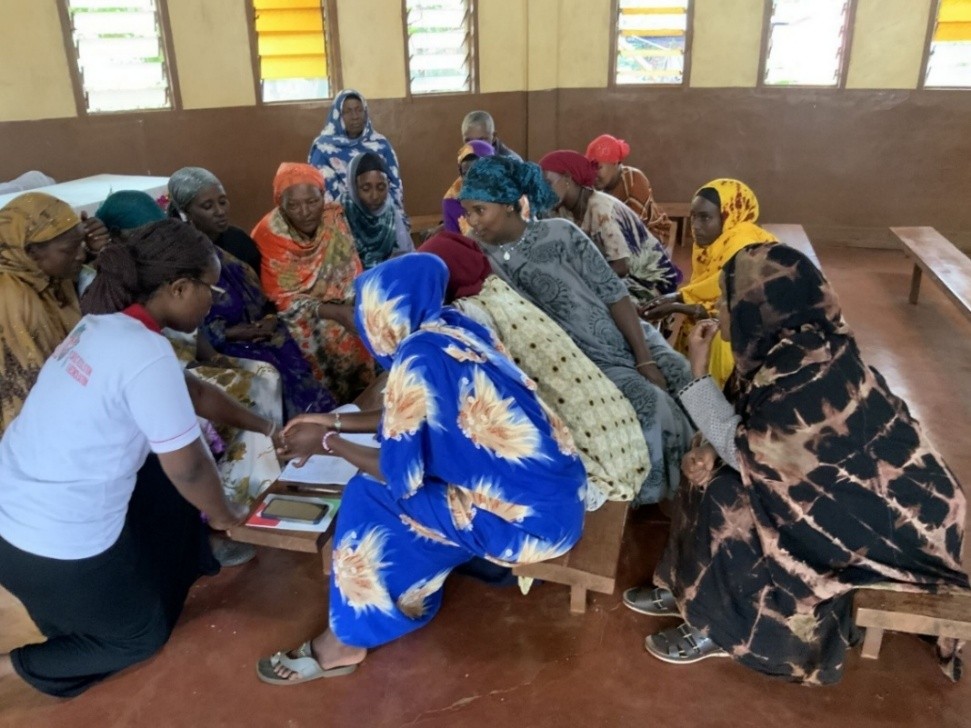
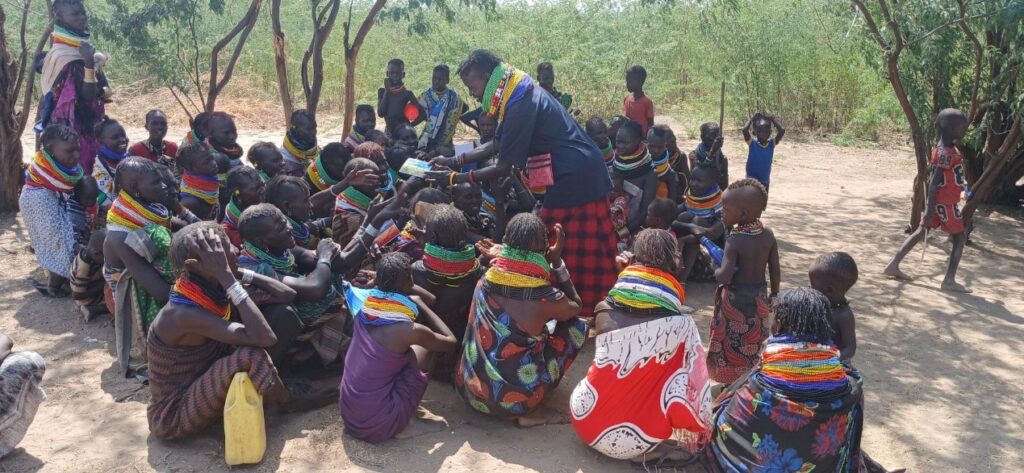
Governance and Fundraising
The board of Shalom-SCCRR (Africa) were dedicated and thorough in providing governance leadership, oversight expertise and wisdom during the year. This strong structure and leadership underpin our performance, growth, authenticity and collaborations in delivering on the organization’s vision, mission, methodology and core values. As always, our accounts were audited in accordance with International Standards on Auditing (1SAs) and International Ethics Standards Board for Accountants Code of Ethics for Professional Accountants (IESBA code). The recent independently approved audited accounts are a core instrument in demonstrating the quality of Shalom-SCCRR’s administration, service, governance and project product delivery.
External fundraising, in collaboration with the contributions of local communities, to facilitate the realization of our vision and mission is critically important for success. The overview contributions of the Shalom-SCCRR board members and management in eastern Africa is ever appreciated. During 2025, we continued our close relationship and support to the fundraising efforts of our affiliate branches around the world. We welcome the ever-increasing number of corporate and individual donors to our support units. The gratitude of Shalom-SCCRR in Africa and that of our beneficiary communities is immense.
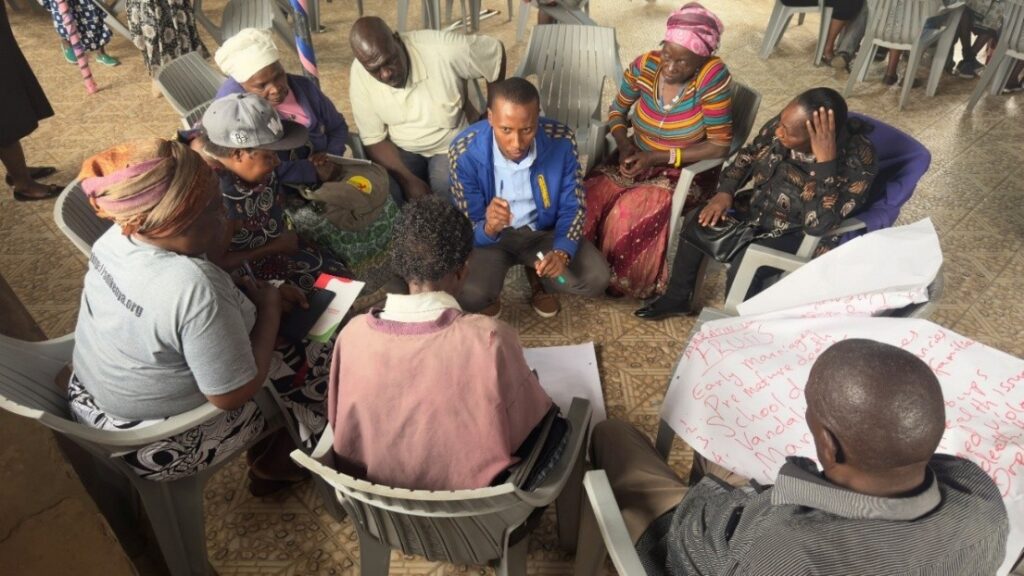

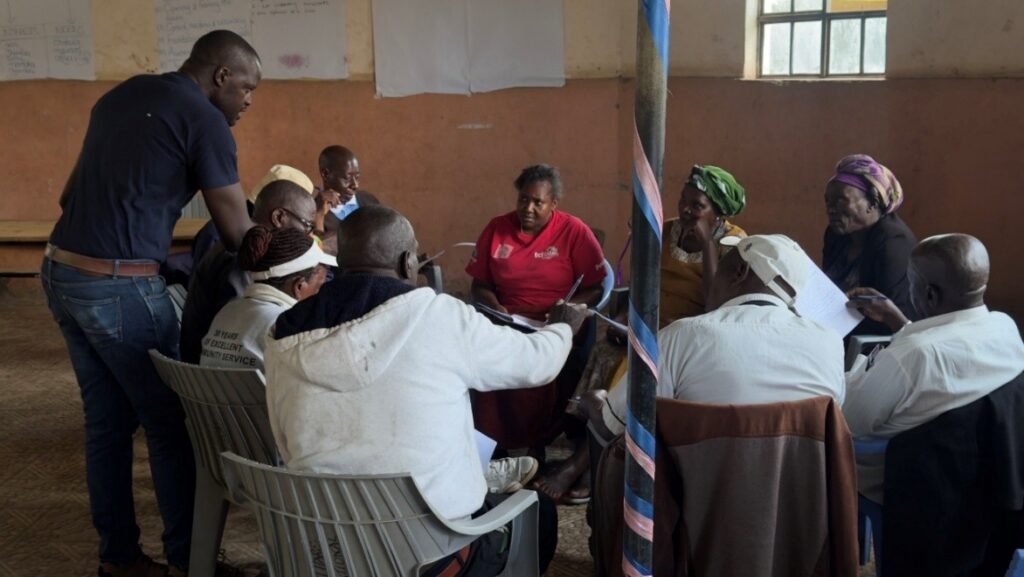
Shalom-SCCRR registered units, and committees, in the USA, the Republic of Ireland, N. Ireland, and Britain have provided over 90% of our funding to the organisation’s interventions in Eastern Africa over the past 16 years. We are very grateful for your solidarity and empowerment always. This support further strengthened Shalom-SCCRR’s resolve and commitment to its vision and mission during 2025. We continued the consolidation and updating of our organizational governance and range of policies to ensure good practice, accountability, effectiveness, transparency, and integrity. Institutional strength is critically important because it impacts directly the work we do in conflict environments.
The work-ethic process within the organization is constantly appraised in respect to governance, performance, authenticity, growth and collaboration to ensure the organization’s high operational standards. These standards are recognized nationally, regionally, and globally as evident in UN accreditation and invitational attention from universities and other relevant institutions around the world. During 2025, I presented numerous lectures and presentations, for example, at Fordham University and St John’s University in the USA on issues of Conflict Management Methodologies and Religious Ideological Extremism, among other topics. Recently, Shalom-SCCRR members have published a number of books and articles. The Shalom-SCCRR approach, with its emphasis on community leadership, stakeholder participation, high technical competency, logic models, results frameworks, stories of change and advocacy linkages continues to receive acclaimed international profile in the context of current best practice within both the peacebuilding and development sectors.
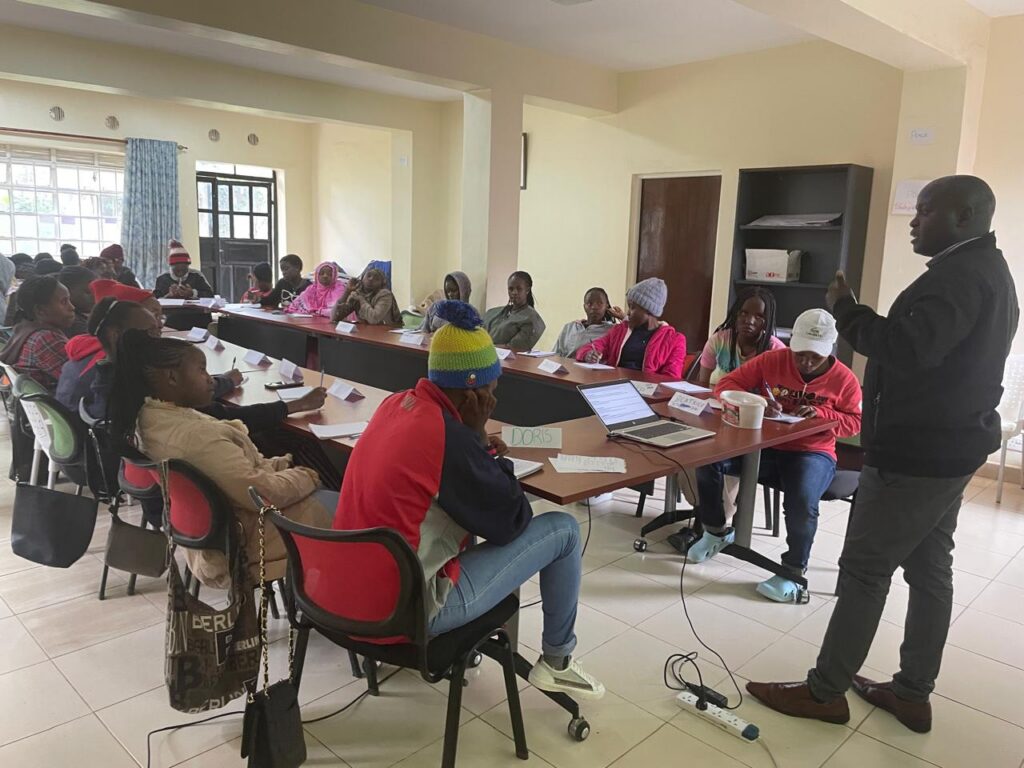
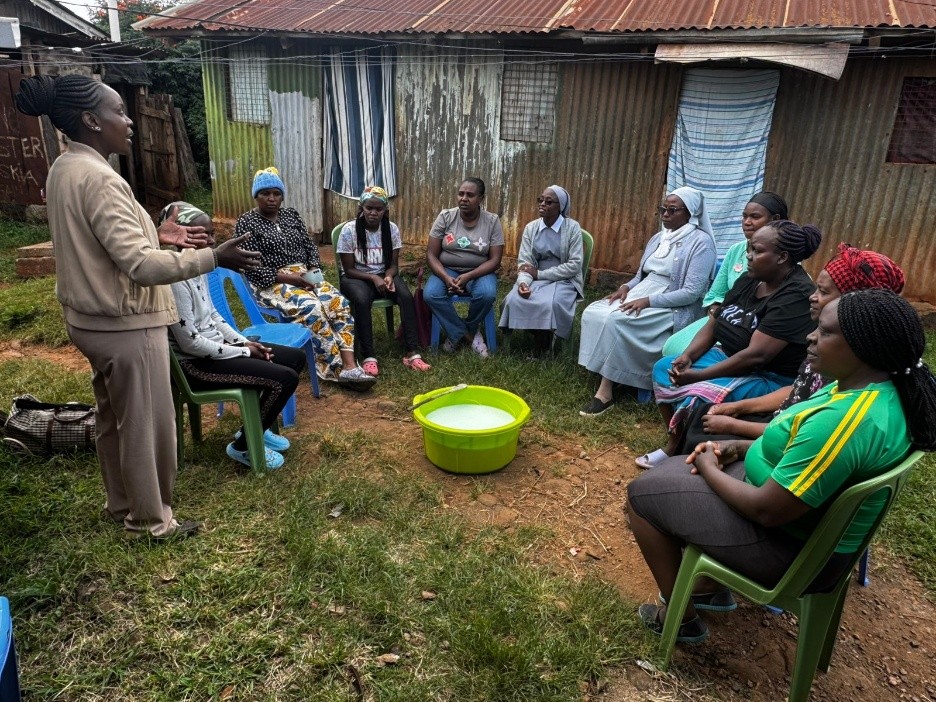
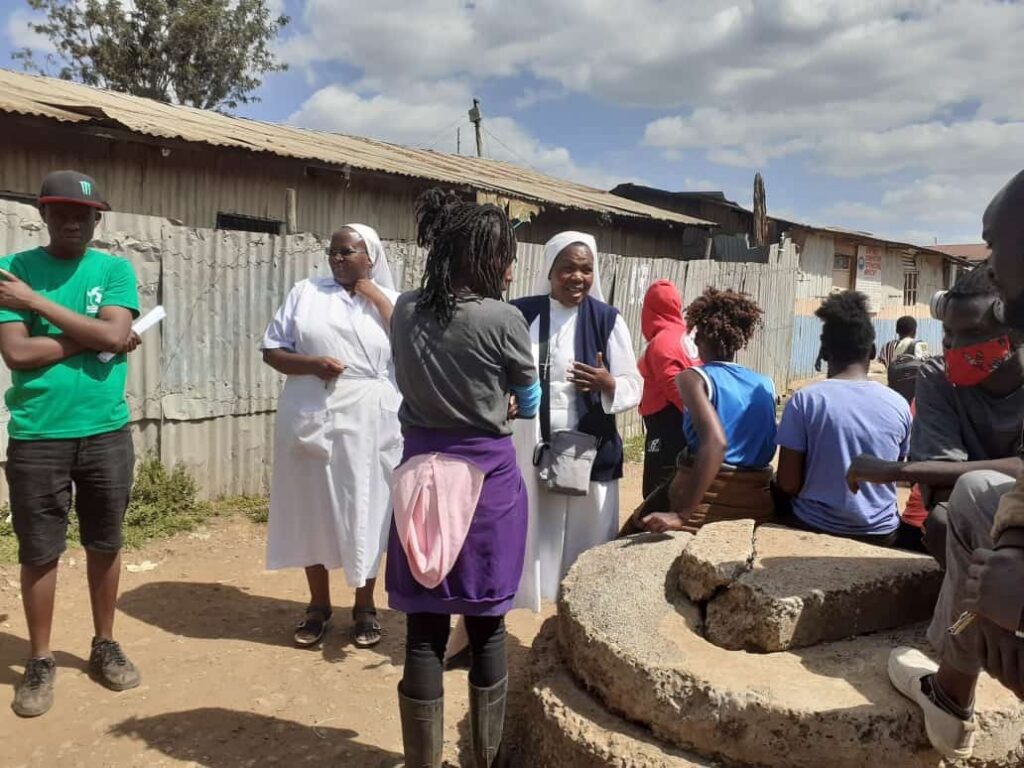
Appreciation to our Management and Team Members
Our gratitude goes to Shalom-SCCRR’s management and team members for their accountability and dedication to high standards during the year. The board again offers its deep appreciation to Rev. Dr. Oliver Noonan, PhD, Executive Director, for his stewardship, project oversight, and administration. The gratitude of the board also extends to the Senior Project Officer, Godfrey Okoth MA, (PhD Candidate), Esther Kibe (MA), lead project officer at the Shalom Empowerment Center (SEC) and the Mary and Joseph Life Center (MJLC), Francis Mwangi’s role in the department of Monitor-Evaluation-Reporting-Learning (MERL), and the whole Shalom-SCCRR team and organizational partners, for their conflict transformation/peacebuilding research, fieldwork, school-educational development projects supervision, monitoring-evaluation-recording-learning, communication, and the quality of progress accomplished during the year. Our appreciation extends to our finance department and accountant Kipkoech Kipruto ACCA (Association of Chartered Certified Accountants), (B. Com candidate), his assistant accountant Remy Ndiema CPA (Certified Public Accountants), B.BM, and all involved in auditing our accounts, for their integrity, professionalism and rigour.
Since Shalom was founded in 2009, the lives of hundreds of thousands of men, women, children and families, living previously in dire conflict and underdeveloped circumstances, have been sustainably transformed. You have had an enormous positive influence on the livelihood resilience of present and future generations providing human security and joyful hope. Because of Shalom-SCCRR’s work directly or indirectly, it is innumerable the number of individuals, families, and communities who are alive and well today, experiencing the fulfilment of living in more just and stable societies. They are increasingly able to meet their basic human and ontological needs, actualize their potential, interact with the ‘Divine’, and the environment in a wholesome, tolerant, inclusive and reconciled manner.
Engaging the Future with Optimism, Judiciousness, and Dynamism
As a process, ‘Shalom’ is about achieving integral human security and development among and between people. All of us, together, can bring about deep-rooted transformation and resolution of conflict-generating factors and structures-institutions, through rigorous research, conflict management training, peace education, problem-solving workshops, developing inter-ethnic and inter-religious infrastructural projects – especially educational institutions and other ‘human rights’ edifying initiatives
The Shalom-SCCRR vision points to adherence to the right long-term policies in our approach to conflict resolution and reconciliation, resisting to settle for ‘short term political quick fixes’ or the transient gains of myopic insular partisanship. Many people in remote, violent and poverty-stricken environments are waiting to experience ‘Shalom’. Right long-term policies should always take precedence over the lure of mere myopic short-term political agendas.
We should keep in mind that a key factor needed for evil to triumph, whether in the form of violence, injustices, deceit, maliciousness or envy, is for good people to be indifferent or do nothing. We should be ever alert and resourceful to rise to the challenges posed by malicious and pernicious actors. In thanking our donors again and those who offer prayers, let me assure all that Shalom-SCCRR will continue to be diligent in fulfilling our objectives to the highest standards in the years ahead. There are no limits to the positive interventions that can be made to bring about sustainable peace, development and reconciliation. The road to peace is not easy but the quest is essential in order to sustain the dignity of human life, environmental security, and provide the utmost opportunity to experience the ‘Divine Holy Spirit’ in all its vitality.
SHALOM, SALAAM, SALAMU, SALEM,

Rev. Patrick Devine, PhD
Chairman, Shalom-SCCRR, Kenya-Africa.
SHALOM-SCCRR TEAM IN AFRICA DURING 2025
Board of Directors (Kenya)
Rev. Dr. Patrick Devine, Chairman
Rev. Dr. Oliver Noonan, Executive Board Member
Dr. Michael Comerford, Board Member, (South Sudan)
Ms. Rosaline Serem, MBA, Board Member, (Kenya)
Mr. Sean White, MSC, Board Member (Kenya)
Rev. Janusz Machota,MA, Board Member, (Tanzania)
Management
Rev. Dr. Oliver Noonan, Executive Director
Prof. Peter Wanyande PhD, Director of Research
Mr. Godfrey Okoth MA (PhD Candidate), MA, Senior Projects Officer
Ms. Esther Kibe MA, Project Officer, Team Leader
Mr. Francis Mwangi MA, M.E.R.L Officer
Mr. Arthur Magero MA, Project Officer, Team Leader
Mr. Kennedy Odhiambo MA, Project Officer, Team Leader
Mr. Moses Osiro MA, Project Officer, Team Leader
Ms. Habiba Dika BA (MA Candidate), Shalom-SCCRR In-Training Capacity Program
Ms. Julia Wangari BA (MA Candidate), Shalom-SCCRR In-Training Capacity Program
Sr. Jovalet Ariho BA (MA Candidate), Shalom-SCCRR In-Training Capacity Program
Mr. Kipkoech Kipruto B.Com., ACCA, Accountant
Mr. Remmy Ndiema B.BM, CPA, Accountant
Mr. Kennedy Oduor Otieno Dipl. PPM, Transport /Logistics Coordinator
Ms. Amina Ekal Ejore Dipl. ICT (student), Logistics Officer, Shalom-SCCRR Lodwar Office
| International Volunteer Consultants | Background Experience |
| Rev. Prof. Emmanuel Tembo | DRC Congo and Great Lakes Region |
| Ms. Paula Soumaya Domit, MA | Harvard Kennedy School (Masters of Public Policy Program), Associate Researcher at UNIDIR Geneva, Switzerland |
| Mr. Patrick Geysen, MA | Former Deputy Head of EU Delegation, Djibouti |
| Mr. Collin Fortes MA | International Business, SRH Hochschule Berlin. BA International Relations with French, Loughborough University, IEP Lyon. Tanzania, East Africa |
| Rev. Dominic Wabwireh MA | Society of African Missions, International Media Center, ISCPA Paris – Institut supérieur des médias |
| Mr. Andrés Oviedo, MA | International Relations, Universitat Autónoma de Barcelona). Postgraduate Studies in Human Rights, International Humanitarian Law and Culture of Peace. Liaison Officer at the United Nations Verification Mission in Colombia (UNVMC). |
| Ms. Sheena McMullen, MA | Peace and Reconciliation Studies, N. Ireland/UK |
| Ms. Matilda Brolin, LLM | Embassy of Sweden to the Democratic Republic of the Congo. |
| Mrs. Nancy Mirera, MA | Counselor-Psychology, Mental Health Worker, Mediator in A.D.R |
| Ms. Fabiana Pardi Otamendi, LLM | Harvard Law School, UN Human Rights, Freshfields Bruckhaus Deringer, France |
| Dr. Conrad Bosire | Constitutionalism and Devolution, Kenya, East Africa |
Relevant Links
- Shalom-SCRR. (2026, May 8). Rev. Dr. Patrick Devine; Shalom-SCCRR Chairman’s Report for 2025.
https://shalomconflictcenter.org/rev-dr-patrick-devine-shalom-sccrr-chairmans-report-for-2025/ - Shalom-SCCRR (2026, April 22). Shalom-SCCRR 16 Years Results and Achievements. https://shalomconflictcenter.org/shalom-sccrr-16-years-results-and-achievements/
- Shalom-SCCRR. (2026, March 16). 2025 School/Educational Development Results and Achievements. https://shalomconflictcenter.org/2025-school-educational-development-results-and-achievements/
- Shalom -SCCRR. (2026, March 2). 2025 Conflict Transformation & Peacebuilding Results and Achievements. https://shalomconflictcenter.org/2025-conflict-transformation-peacebuilding-results-and-achievements/
- Shalom-SCCRR. (2026, February 18). 2025 Shalom Empowerment Center (SEC) Addressing Violence Against Women and Children Results and Achievements. https://shalomconflictcenter.org/2025-shalom-empowerment-center-sec-addressing-violence-against-women-and-children-results-and-achievements/
- MJLC. (2025, March 25). Mary and Joseph Life Center (MJLC) 2025 Results and Achievements. https://maryandjosephlifecenter.org/mary-and-joseph-life-center-mjlc-2025-results-and-achievements/
- Devine, R. P. (2026). The Ilemi Triangle Environs: Delineating the Causes and Consequences of the Turkana-Dassenach Conflict (2nd Edition). India: Notion Press. https://notionpress.com/in/read/the-ilemi-triangle-environs-hardcover?srsltid=AfmBOorDxQeYEJjpPnBpCProynUIT0XUHqCRqs4MqlYgGV0KzsS_F9m4
- Devine, P.R. (2025). The Ilemi Triangle Environs: Delineating the Causes and Consequences of the Turkana-Dassenach Conflict. Published by Shalom Center for Conflict Resolution and Reconciliation (Shalom-SCCRR). https://shalomconflictcenter.org/https-shalomconflictcenter-org-congratulations-to-rev-dr-patrick-devine-on-his-recent-publication-from-all-the-shalom-sccrr-team/
- Devine, R. P. (2025). Persistent conflict between the Pokot and the Turkana (2nd Edition). India: Notion Press. https://www.barnesandnoble.com/w/persistent-conflict-between-the-pokot-and-the-turkana-patrick-r-devine/1147446777
- Shalom-SCCRR. ( 2025, Oct 3). Congratulations to Rev. Dr. Oliver Noonan on his Recent Publications from all the Shalom-SCCRR Team. https://shalomconflictcenter.org/congratulations-to-rev-dr-oliver-noonan-on-his-recent-publications-from-all-the-shalom-sccrr-team/
- Kitonga, D. M., Ndiga, B., & Noonan, O. (2025). Contributions of Social Community Structures on Conflict Management among Pastoral Communities in the Ilemi Triangle. Eastern African Journal of Humanities and Social Sciences, 4(1), 68-76. https://doi.org/10.58721/eajhss.v4i1.874
- Shalom-SCCRR (2025, April 7). Fordham University, New York; Lecture by Rev. Dr. Patrick Devine, Shalom-SCCRR International Chairman. https://shalomconflictcenter.org/fordham-university-new-york-lecture-by-rev-dr-patrick-devine-shalom-sccrr-international-chairman/
- Shalom-SCCRR. (2025, March 13). St. John’s University, Queens, New York; Lecture by Rev. Dr. Patrick Devine, Shalom-SCCRR International Chairman. https://shalomconflictcenter.org/st-johns-university-queens-new-york-lecture-by-rev-dr-patrick-devine-shalom-sccrr-international-chairman/
- Shalom-SCCRR. (2026, Jan 28). Tangaza University (TU) Vice Chancellor, Rev. Prof. Patrick Mwania visits Shalom Center for Conflict Resolution and Reconciliation (Shalom-SCCRR). https://shalomconflictcenter.org/tangaza-university-tu-vice-chancellor-rev-prof-patrick-mwania-visits-shalom-center-for-conflict-resolution-and-reconciliation-shalom-sccrr/
- Devine, P. R. (2025). Shalom-SCCRR’s Conflict Transformation and Peacebuilding Intervention Methodology, Processes and Spiritual Rationale (Synopsis). https://shalomconflictcenter.org/devine-patrick-r-2025-shalom-sccrr-intervention-methodology-conflict-management-continuum-diagram-and-a-brief-rationale-overview/