By: Arthur Magero Abonyo, MA,
Introduction
Shalom-SCCRR in 2025 has continued to advance its conflict transformation and peacebuilding initiatives in the Ilemi Triangle and parts adjacent, working closely with the Turkana and Dassanech communities. The conflict between these two communities is often manifested in sporadic acts of violence amongst each other, as distinct from the more common traditional raiding and counter-raiding. As such, peace in the Ilemi Triangle continues to be elusive. These attacks that have often triggered collective community responses in the form of retaliation, obviously, lead to increased tension, mistrust, animosity, and manifest violence.

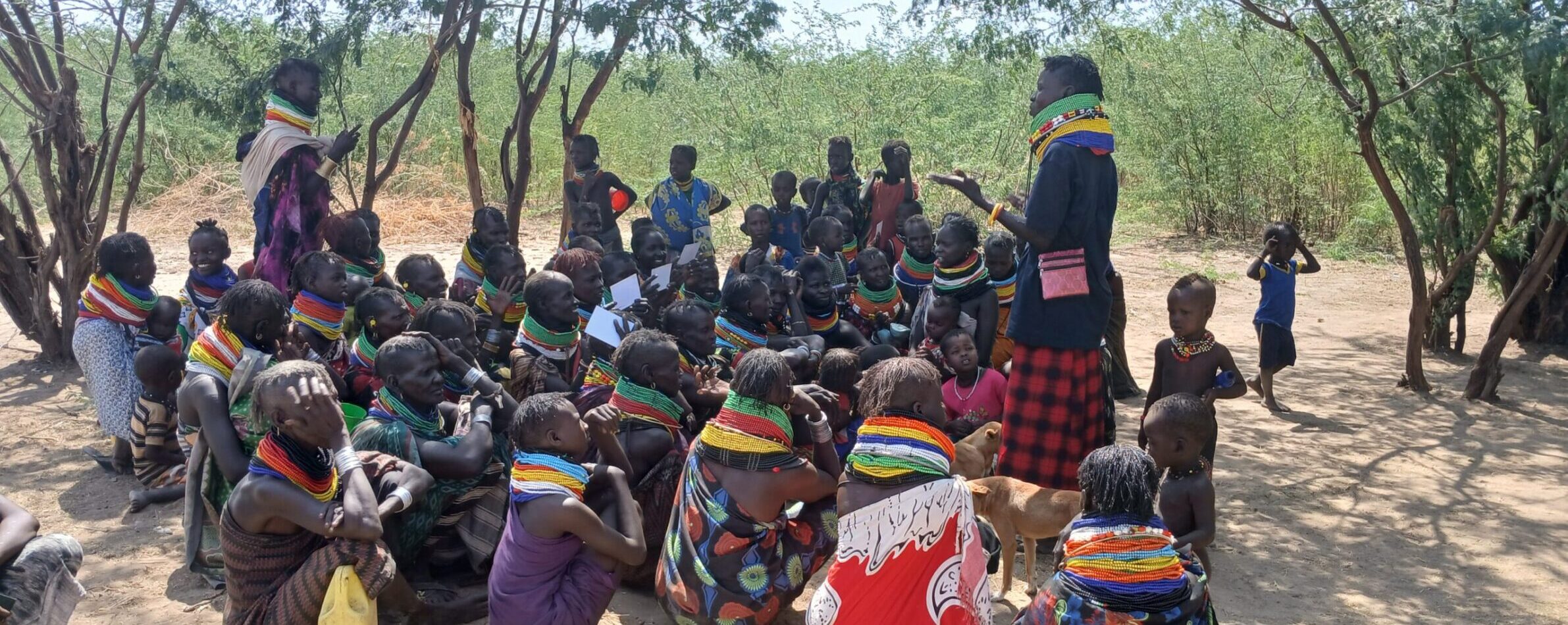
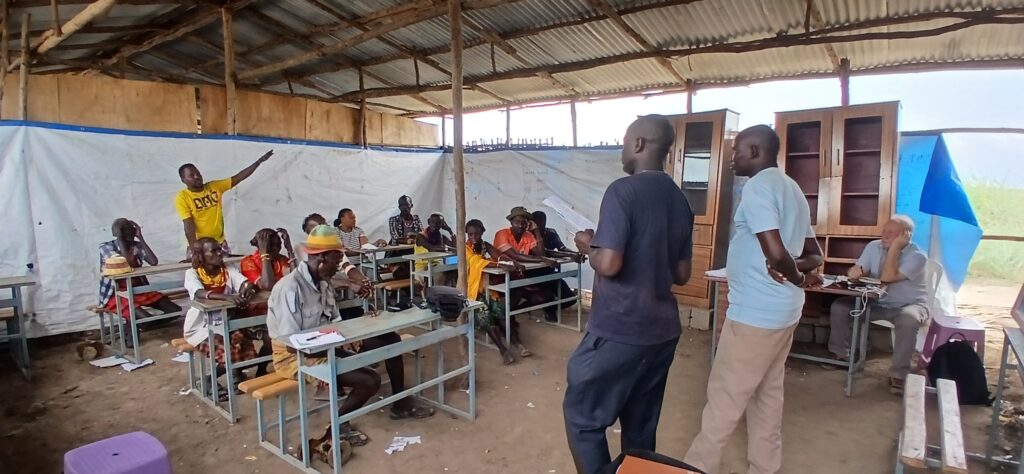
Shalom-SCCRR’s continued engagement in 2025 aimed at intensifying the intervention efforts in the Ilemi Triangle by closely working with the grassroots community members to search for solutions and help identify indigenous processes leading to conflict transformation. Throughout the year, a total of 33 conflict transformation and peacebuilding forums were conducted, reaching out to 931 grassroots community members; of these, 560 were men (60.2%) and 371 women (39.8%). To ensure these forums were effectively facilitated, Shalom-SCCRR also conducted six training workshops targeting key influential opinion shapers, also referred to as Community Resource Persons, on both sides of the Kenyan/Ethiopian border. As a result, 64 men and 38 women were trained to serve in this role, thereby strengthening community-led peacebuilding processes.
Impacts and Achievements of Shalom SCCRR Ilemi Triangle Project.
Community Insertion at the Grassroots Level Through Forums
Through ongoing community forums, Shalom-SCCRR has strengthened its local engagement, trust, and participation in peace efforts among the grassroots communities of the border population. These forums have ensured representation from elders, women, youth, warriors, and local leaders, making the peace process inclusive. On the same note, the grassroots participation has enhanced legitimacy and ownership of the peace initiatives by the communities, as the most affected by the conflict have a direct voice in shaping solutions and maintaining peace. Shalom has enhanced the skills of community peace actors to adapt interventions quickly, improve early-warning systems, and thus strengthen community-led mechanisms for conflict de-escalation.

Shalom-SCCRR Working Group Established on Both Sides of the Border
The established working groups have been trained to coordinate peace efforts between the Turkana of Kenya and Dassanech community of Ethiopia. The trained influential opinion shapers in these groups act as local steering committees, ensuring consistent monitoring, maintain communication, and follow-up on resolutions and action plans, thus helping to institutionalize peace efforts beyond individual actors. They are also instrumental in providing rapid response to emerging tensions and ensuring the reduction of retaliatory conflicts through dialogues and return of any stolen livestock.
Government Engagement through meetings with the Ethiopian Woreda and the Turkana County Government
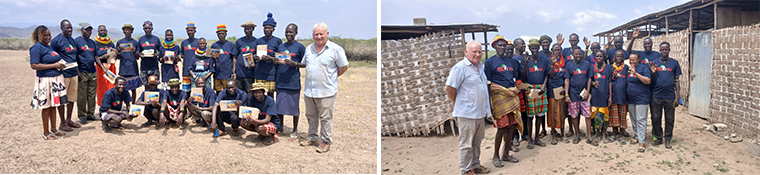
Shalom-SCCRR has had regular consultations with government officials on both sides of the border, and this has indeed strengthened cross-border collaboration. Accordingly, sharing preliminary data and discussing findings has helped local authorities understand community-level conflict dynamics more clearly. These engagements have contributed to the alignment between Shalom-SCCRR grassroots peace initiatives and official governmental frameworks. The engagement with the government leaders at the grassroots level has also increased the likelihood of long-term support, including security coordination, resource sharing, and recognition of Shalom-SCCRR peace efforts along the Ilemi Triangle. Formal meetings were held with the Administrators of the Woreda in Dassanech, with the Director of Peace and Security in Turkana County, with the Kenyan Government Special Peace Envoy to Karamojong Cluster, with the Kibish District County Commissioner (DCC), Officer Commanding Police Division, (OCPD), Sub-County Administration Police Commander (SCACPA) in Kibish, and with the administrative chiefs in Turkana.
Data of Social Organization Dynamics Collection: Increased Understanding
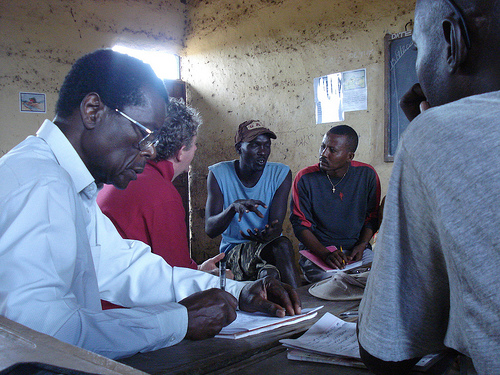
Ongoing data gathering on social organization dynamics, drawing on the insights of Rev. Dr. Oliver Noonan’s recent research, has significantly increased the understanding of community structures, leadership hierarchies, migration patterns and conflict triggers within each community, thus enabling a more informed and effective conflict transformation and peacebuilding intervention strategies. Furthermore, understanding social organization dynamics in pastoralist settings where decision-making authority differs from formal administrative systems was also important for Shalom-SCCRR to effectively intervene. These interventions in the conflict affecting these pastoralist communities are tailored in mediation, training workshops and conflict transformation forums.
Conducting Research to Identify the Underlying Root Causes of Conflicts along the Ilemi Triangle
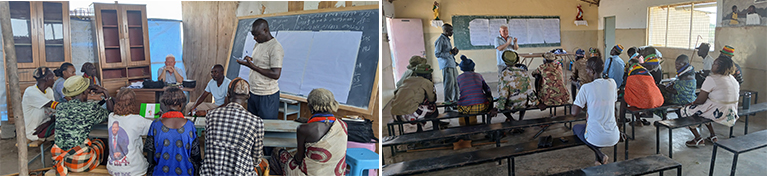
Shalom-SCCRR also draws on academic research recently published by Rev. Dr. Patrick Devine, Shalom-SCCRR International Chairman, Delineating the Causes and Consequences of the Turkana Dassenach Conflict. The research identified resource scarcity, contested territory, weak state presence (infrastructure insecurity-structural violence), cultural differences, and political and economic interests, as underlying root causes of the Turkana–Dassanech conflict in the Ilemi Triangle, and arms proliferation as a highly significant intermediary cause. Guided by these findings, among others, Shalom-SCCRR continues to intervene in the conflict by applying the conflict transformation approach that integrates traditional mechanisms, community negotiation forums, cross-border dialogue, and grassroots capacity building to reduce conflict triggers and strengthen sustainable peace frameworks.
Attending the Community Elders’ Traditional Elders’ Meeting
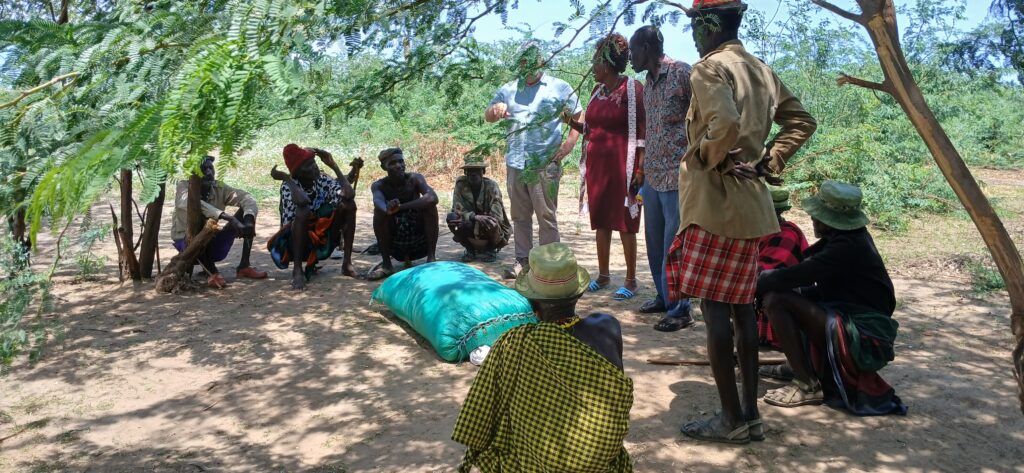
Shalom-SCCRR’s participation in traditional elders’ meetings created an essential bridge between formal peace initiatives and indigenous governance structures. Participating in these meetings helped in understanding the intergenerational dialogues and traditional dispute-resolution practices that shape community behaviour. By attending traditional elders’ meetings, Shalom-SCCRR remains focused in supporting locally led solutions, reinforce respect for traditional authority, and ensured that interventions align with cultural expectations. It also provided a platform to communicate project activities, clarify misunderstandings, and gain endorsement from respected leaders helping to legitimize Shalom-SCCRR’s peace efforts and enhance community ownership. SCCRR attended the traditional meeting of the NAP in Dassanech at Kalam and regularly met with the Turkana traditional elders under the Esekon tree at Merikuka.
Gift Giving: Communities Exchange Gifts
The practice of exchanging gifts helped strengthen mutual respect and goodwill across community lines in conflict transformation and peacebuilding. These symbolic gestures acted as an entry point for trust-building, reducing suspicion and fostering openness during dialogue sessions. Gift giving also served as a culturally recognized method of acknowledging hospitality and shared humanity, which is crucial in peacebuilding among pastoralist communities. Over time, these exchanges have laid the groundwork for more substantive collaboration. Gift giving came in the form of coffee sent from the Dassanech to the Turkana and sugar sent in the other direction. In a situation where both communities are in a standoff with each other any channel which can bridge the gap can influence the mindset.
Communication: Use of Modern Technology to Exchange Video Messages
By leveraging mobile phones and video technology, communities were able to share messages across borders despite physical distance or insecurity. This enabled continuous communication even when travel was limited. The video messages not only conveyed information but also carried emotional and cultural expressions, helping communities see and hear each other directly. This greatly strengthened interpersonal connections and helped dispel rumors or misinformation that often fuel conflict. It impacted the communities by building familiarity where there are physical meetings with each other.
Use of Pictorials to Facilitate Communication and Information Flow
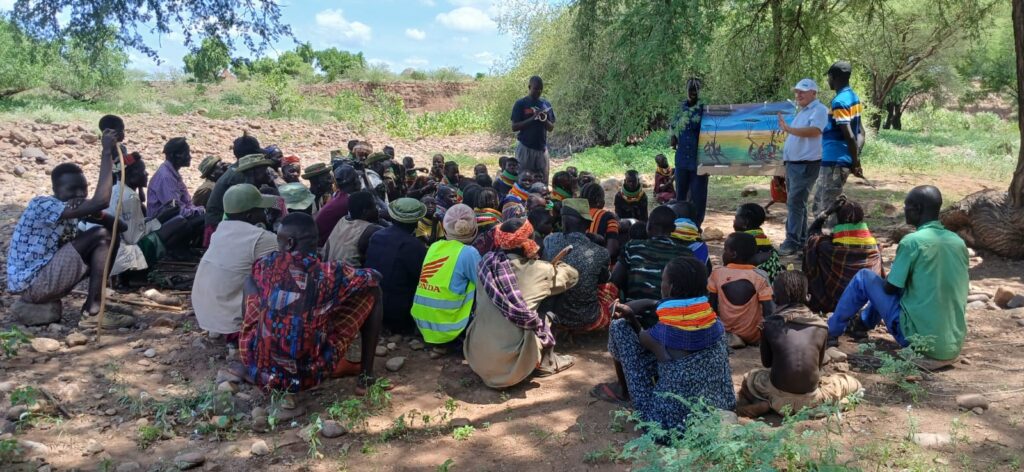
The use of pictorials and visual materials by Shalom has enhanced effective communication for communities with limited literacy levels. The use of the pictorials helped convey key messages on conflict issues and intervention quickly and accurately thus reducing misinterpretation as they make the discussions on root causes of conflict and the intervention strategies more concrete. The pictures have been used to document progress, illustrate challenges, and show real-life examples that made discussions more tangible between the two communities. Participants have copies of these images with them and are encouraged to share the conflict transformation and peacebuilding knowledge gained from each picture with the wider community.
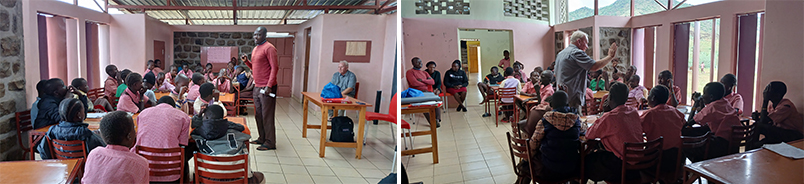
Training of Peace Club Members in Peace Education and Promoting a Culture of Peace in school-going Children
The training of peace club members strengthened peace education in schools by equipping children with skills and techniques in conflict resolution and social interaction, thus enabling them to become positive peer influencers who help prevent and manage disputes. The trained peace club members are now engaging in implementing peace activities thus fostering a culture of non-violence, tolerance, and mutual respect among learners, breaking down stereotypes and encouraging peaceful coexistence. This early exposure to peacebuilding not only improves relationships within schools but also extends into households and the wider community, contributing to a more cohesive and peace-oriented generation. One momentous meeting took place with the school children at St Irene’s school in Lobur to discuss peace from the eyes of young children.
Conclusion
Shalom-SCCRR intervention is intended to create communities on both sides of the border between Kenya and Ethiopia with analytical skills to understand the underlying causes of conflict. Thus, enabling them to be competent and informed in how strategies for conflict transformation rooted in lived experience, factual in content and respectful of differences. The continuous engagement with the communities by SCCRR-Shalom inspires them to create a sustainable conflict management framework supported by the larger community and other state/religious actors.
Author: Arthur Magero Abonyo MA, Shalom-SCCRR Ilemi Triangle Project Officer
Relevant Links
- Kitonga, D. M., Ndiga, B., & Noonan, O. (2025). Contributions of Social Community Structures on Conflict Management among Pastoral Communities in the Ilemi Triangle. Eastern African Journal of Humanities and Social Sciences, 4(1), 68-76. https://doi.org/10.58721/eajhss.v4i1.874
- Devine, R. P. (2026). The Ilemi Triangle Environs: Delineating the Causes and Consequences of the Turkana-Dassenach Conflict (2nd Edition). India: Notion Press. https://notionpress.com/in/read/the-ilemi-triangle-environs-hardcover?srsltid=AfmBOorDxQeYEJjpPnBpCProynUIT0XUHqCRqs4MqlYgGV0KzsS_F9m4
- Kitonga, D. M., & Noonan, O. (2024). Sustainable Conflict Management in the Ilemi Triangle. Journal of Humanities and Social Science. 29(11), 45-53.https://www.iosrjournals.org/iosr-jhss/papers/Vol.29-Issue11/Ser-3/F2911034553.pdf
- Shalom-SCCRR. (2025, Oct 3). Congratulations to Rev. Dr. Oliver Noonan on his Recent Publications from all the Shalom-SCCRR Team. https://shalomconflictcenter.org/congratulations-to-rev-dr-oliver-noonan-on-his-recent-publications-from-all-the-shalom-sccrr-team/
- Noonan, O., & Bosco, K. J. (2024). The Dynamics of Decision-Making Processes in Sustainable Conflict Management in the Ilemi Triangle. International Journal of Social Science Research and Review, 7(11), 84-96. https://doi.org/10.47814/ijssrr.v7i11.2377
- Devine, P.R. (2025). The Ilemi Triangle Environs: Delineating the Causes and Consequences of the Turkana-Dassenach Conflict. Shalom Center for Conflict Resolution and Reconciliation (Shalom-SCCRR). https://shalomconflictcenter.org/https-shalomconflictcenter-org-congratulations-to-rev-dr-patrick-devine-on-his-recent-publication-from-all-the-shalom-sccrr-team/
- Macharia, A. (2023). Shalom-SCCRR’s Conflict Resolution Initiatives Bring Hope and Development to Turkana and Dassanech Communities Located in The Ilemi Triangle along the Kenya-Ethiopia border. https://shalomconflictcenter.org/shalom-sccrrs-conflict-resolution-initiatives-bring-hope-and-development-to-turkana-and-dassanech-communities-located-in-the-ilemi-triangle-along-the-kenya-ethiopia-border/
- Osiro, M, & Macharia, A. (2023). Harnessing the Peace Dividends of Shalom-SCCRR’s Transformative Interventions in the Ilemi Triangle; borderline between Omorate in Ethiopia and Kokuro in Kenya. https://shalomconflictcenter.org/harnessing-the-peace-dividends-in-the-ilemi-triangle-along-the-kenya-and-ethiopia-borderline-shalom-sccrrs-transformative-intervention-strategies-in-omorate-in-ethiopia-and-kokuro-in-kenya/
- Shalom-SCCRR. (2025, Oct 31). Congratulations to Rev. Dr. Patrick Devine on his Recent Publication from all the Shalom-SCCRR Team. https://shalomconflictcenter.org/https-shalomconflictcenter-org-congratulations-to-rev-dr-patrick-devine-on-his-recent-publication-from-all-the-shalom-sccrr-team/
- Devine, P. (2021). In the Peace Dialogue, Issue No. 19, Hekima Institute of Peace Studies and International Relations (HIPSIR): TURKANA-DASSANECH CONFLICT: CAUSES AND CONSEQUENCES. https://shalomconflictcenter.org/wp-content/uploads/2021/02/TURKANA-DASSENACH-CONFLICT-PUBLISHED-BY-HEKIMA-Peace-Dialogue-Issue-19.pdf
- Macharia, A. & Awed, A. (2021). Lazarus Epae Ereng (Assistant Chief, Nachukui-Turkana County) Attest to Shalom-SCCRR’s Impact & Peacebuilding Dividends along the Kenya-Ethiopian border. https://shalomconflictcenter.org/lazarus-epae-ereng-assistant-chief-nachukui-turkana-county-attests-to-shaloms-impact-peacebuilding-dividents-along-the-kenya-ethiopia-border/
- Okoth, G. & Erot, P. (2019). Shalom-SCCRR’s International Chairman Intervened to Save the Lives of Lazarus Epae and Paul Agis in the Ilemi Triangle Region. https://shalomconflictcenter.org/wp-content/uploads/2021/02/SHALOM-SCCRR-INTERNATIONAL-CHAIRMAN-INTERVENED-TO-SAVE-THE-LIVES-OF-LAZARUS-EPAE-AND-PAUL-AGIS-IN-THE-ILEMI-TRIANGLE-REGION.-1.pdf
- Macharia, A. (2020). Briefing Paper No. 2: An Analysis of Turkana Dassenach Conflict; Diminishing Role of Traditional Mechanisms in the Management of Pastoralist Conflict. https://shalomconflictcenter.org/briefing-paper-no-2-an-analysis-of-turkana-dassenach-conflict/
- Magero, A. & ILo, J. (2017). Peacebuilding Progress In The Ilemi Triangle: A Story Of Kibish https://shalomconflictcenter.org/peacebuilding-progress-in-the-ilemi-triangle-a-story-of-kibish/
- Shalom-SCCRR. (2015). Shalom Signs Memorandum of Understanding with IGAD. https://shalomconflictcenter.org/shalom-signs-memorandum-of-understanding-with-igad/
- Haskin, C. (2009). The Ilemi Triangle: A Forgotten Conflict. Conflict. https://shalomconflictcenter.org/wp-content/uploads/2021/02/THE-ILEMI-TRIANGLE_-A-FORGOTTEN-CONFLICT-CHARLES-HASKINS_-2009.pdf
- Erot. P. (2020). Briefing Paper No. 11: Climate Change, Lake Turkana, and Inter-Communal Conflicts in the Ilemi Triangle Region. https://shalomconflictcenter.org/briefing-paper-no-11/
- Macharia, A. (2019). Shalom-SCCRR’s Conflict Research in the Ilemi Triangle: To Empower the Local Ethnic Groups to be the Architects of Their Interdependent Future. https://shalomconflictcenter.org/shaloms-sccrr-conflict-research-in-the-iemi-triangle-to-empower-the-local-ethnic-groups-to-be-the-architects-of-their-interdependent-future/
- Mwangi, F. (2019). The Ilemi Triangle’; Shalom-SCCRR’s Conflict Pre-Assessments with Cross-Border Communities. https://shalomconflictcenter.org/the-ilemi-triangle-shalom-sccrrs-conflict-pre-assessments-with-cross-border-communities/