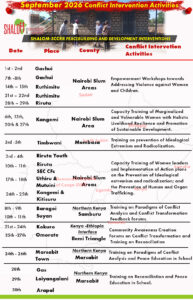

Strengthening Peace Through Community Leadership
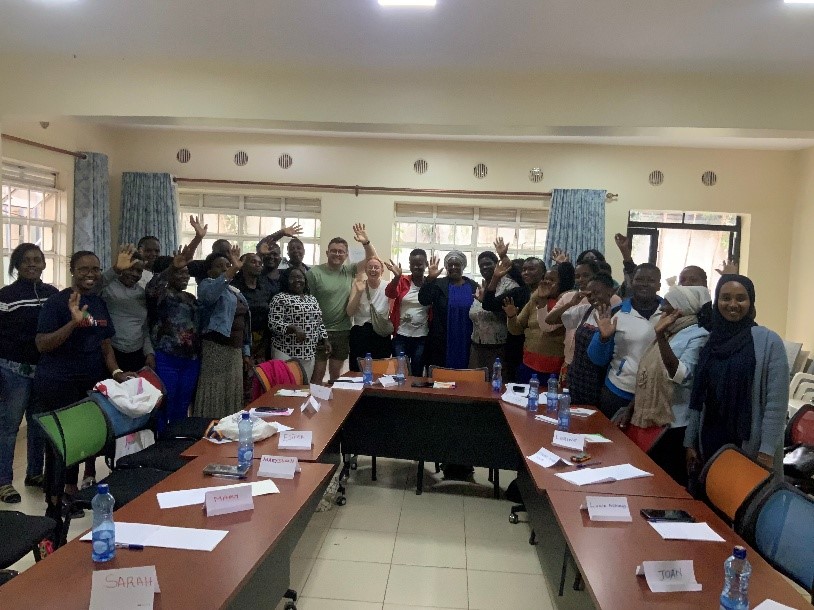
Shalom-SCCRR continues to lead transformative peacebuilding in Nairobi’s informal settlements and remote marginalized areas by empowering women with practical skills in conflict analysis, conflict transformation, and peacebuilding. Trained leaders are taking bold steps to address inter-ethnic, inter-religious, gender-based violence (GBV), domestic violence, human and organ trafficking, ideological extremism and radicalization, among others, in their communities.
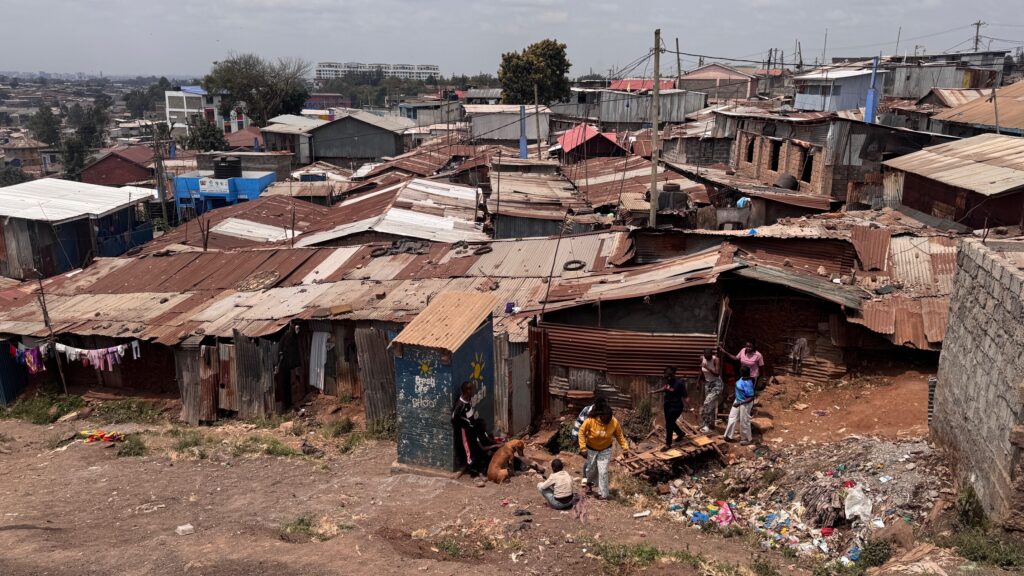
Empowerment of Women with Conflict Analytical Skills and Peacebuilding Techniques
The capacity-building programs are empowering women and youth with analytical skills and peacebuilding techniques essential for conflict transformation and reconciliation in their conflict environments. Women have been empowered through trainings on Paradigms of Conflict Analysis {Realism, Structuralism (Peace Research) and Conflict Research}, Conflict Transformation, Reconciliation, Women and Conflict, Conflict Negotiation, Conflict Mediation, Countering Human and Organ Trafficking, Prevention of Radicalization into Religious Ideological Extremism, Action Planning & Community Mobilization for Conflict Intervention and Women’s Economic Livelihood Resilience and Entrepreneurship. These trainings have been key to enabling the women to develop frameworks for preventing and transforming emerging violent situations within communities.
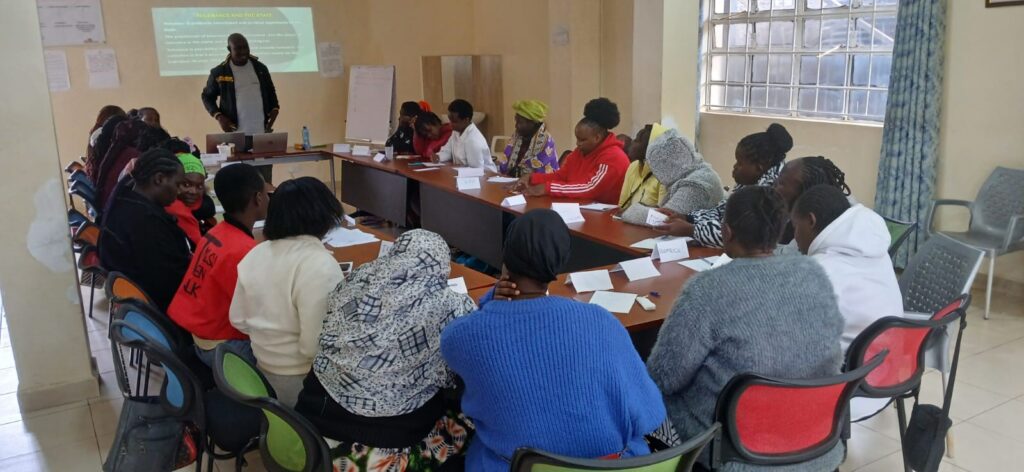
Empowering Women Leaders for Grassroots Action Plan Interventions
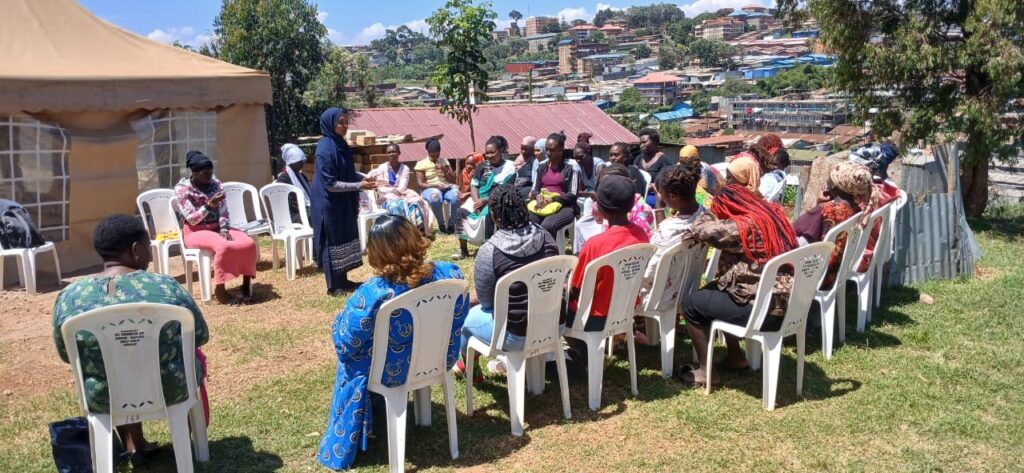
Through intensive facilitation and action-planning sessions, women leaders from various informal settlements developed strategic, context-specific interventions. These action plans form the backbone of sustainable peace efforts at the local level.
Impact on the Community
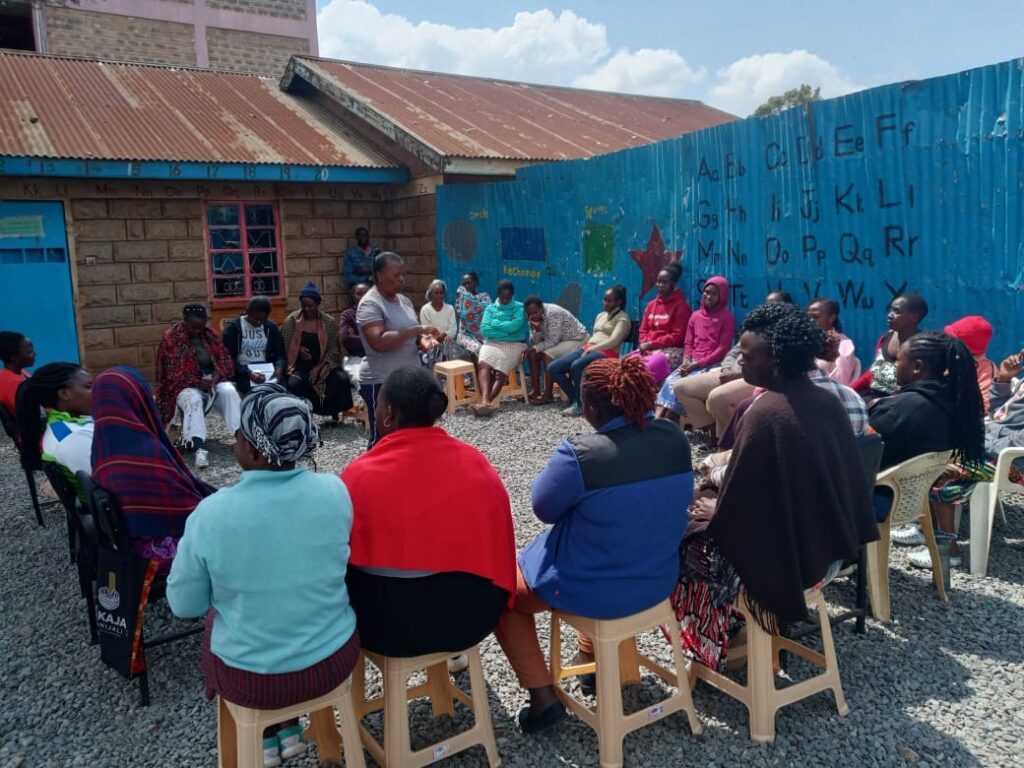
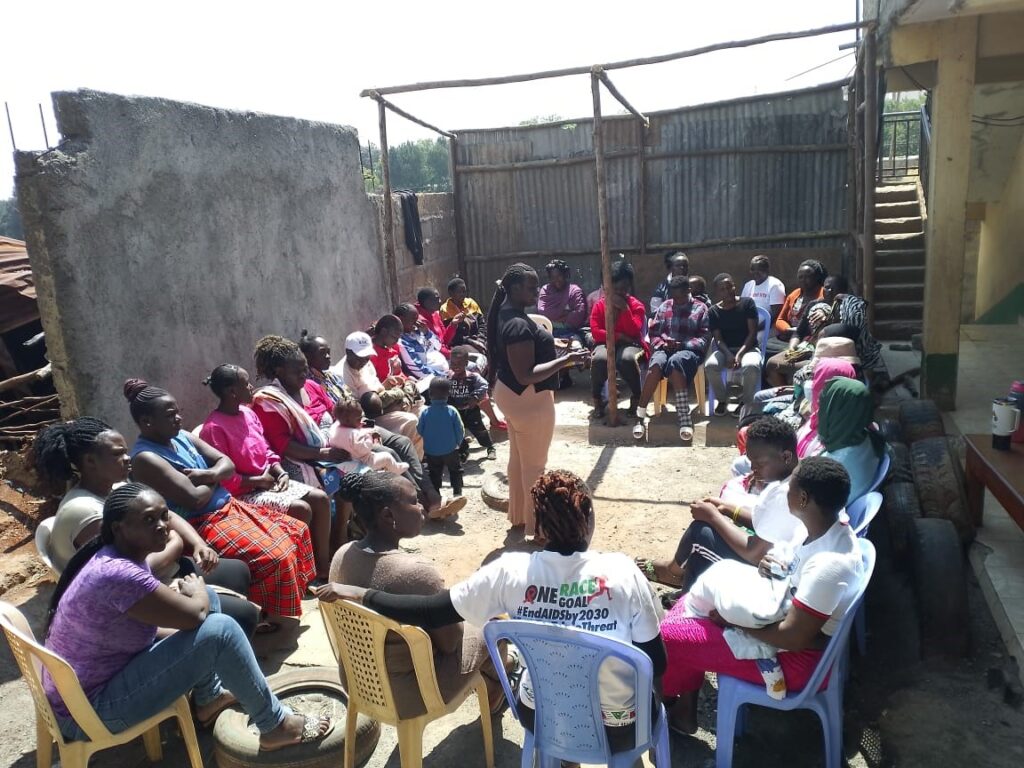
Women trained by Shalom-SCCRR are now leading on-the-ground interventions in Conflict Transformation, Peacebuilding, and Development that have already yielded remarkable improvements in the settlements. Some of the key impact highlights include;
Impact Highlights:
- Increased reporting and addressing of inter-ethnic, inter-religious, and domestic violence
- Enhanced early-warning networks for conflict
- Community-led negotiations and mediations resolving conflicts
- Expansion of women-led peace committees
- Strengthened community trust and cohesion
- Increased sensitization on human and organ trafficking
- Reduced vulnerabilities to religious ideological extremism and radicalization
- Increased women’s participation in peacebuilding, leadership, and decision-making processes
- Identification and mobilization for school/educational development support
A Proven Grassroots Model
Shalom-SCCRR’s community-driven model ensures that solutions are locally owned, culturally relevant, sustainable, and rooted in lived experience. By centering women—who hold significant influence in their communities—Shalom-SCCRR is nurturing inclusive, collaborative peace processes deeply grounded in day-to-day realities.
Voices of Appreciation
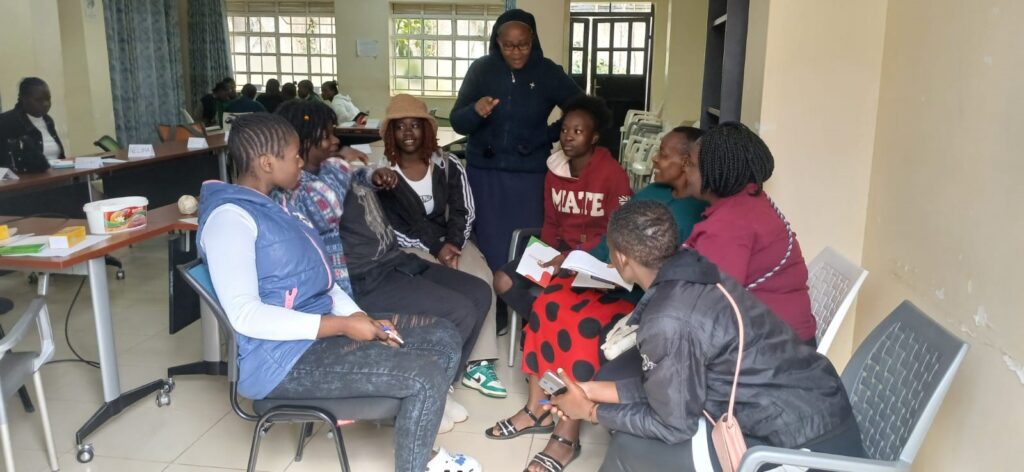
The women leaders express sincere gratitude to Shalom-SCCRR and the generous donors and partners supporting this vital work. Their dedication ensures that peace is nurtured from the ground up, creating safer and more resilient communities.

By:
John Kennedy Odhiambo, MA, Shalom-SCCRR Project Officer, Samburu Project.
Esther Kibe, MA, Shalom-SCCRR, Women’s Project Officer.
Relevant Links
- Shalom-SCCRR. (2022). Shalom Empowerment Center (SEC) Addressing Violence against Women and Children: Concept Document. https://shalomconflictcenter.org/eastern-africa-shalom-empowerment-center-sec-addressing-violence-against-women-and-children-concept-document/
- Kibe, E. & Mwangi. F. (2025, Dec 2). Results from Shalom-SCCRR’s Women Empowerment. https://shalomconflictcenter.org/results-from-shalom-sccrrs-women-empowerment-interventions/
- Kibe, E & Osiro, M. (2024). Shalom-SCCRR’s Vital Role in Addressing All Acts of Violence Against Women and Children. https://shalomconflictcenter.org/shalom-sccrrs-vital-role-in-addressing-all-acts-of-violence-against-women-and-children/
- Shalom-SCCRR. (2025, April 7). Fordham University, New York; Lecture by Rev. Dr. Patrick Devine, Shalom-SCCRR International Chairman. https://shalomconflictcenter.org/fordham-university-new-york-lecture-by-rev-dr-patrick-devine-shalom-sccrr-international-chairman/
- Shalom-SCCRR. (2025, March 13). St. John’s University, Queens, New York; Lecture by Rev. Dr. Patrick Devine, Shalom-SCCRR International Chairman. https://shalomconflictcenter.org/st-johns-university-queens-new-york-lecture-by-rev-dr-patrick-devine-shalom-sccrr-international-chairman/
- Shalom-SCCRR Launch of the Human and Organ Trafficking Module and Women Empowerment. https://youtu.be/5e9tCDeh1fY
- Domit, P. S. & Devine, P. (2024). Shalom Center for Conflict Resolution and Reconciliation (SCCRR): Addressing the Violence of Human and Organ Trafficking. https://shalomconflictcenter.org/shalom-center-for-conflict-resolution-and-reconciliation-sccrr-addressing-the-violence-of-human-and-organ-trafficking/
- Moran, M. (2022). Shalom Empowerment Center opens in Nairobi, Kenya. https://www.indcatholicnews.com/news/45158
- Otsieno, J. (2023). Empowering Women, Building Peace: Launching Shalom Empowerment Center (SEC) addressing Violence against Women and Children in Lodwar, North Western Kenya.https://shalomconflictcenter.org/empowering-women-building-peace-launching-shalom-empowerment-center-sec-addressing-violence-against-women-and-children-in-lodwar-north-western-kenya/
- Devine, P. R. (2025). Conflict and Religion in Eastern Africa: A Conceptual Consideration of Radicalisation, Fundamentalism, Extremism, Terrorism, Tolerance, and Their Interaction Dynamics. https://shalomconflictcenter.org/wp-content/uploads/2025/07/Patrick-Devine-Tangaza-Journal-Conflict-and-Religion-in-Eastern-Africa-Jun-2025.pdf
- Tembo, E. (2023). St. Josphat’s House (Kabiria-Riruta), A Place To Go; Some Shalom-SCCRR Projects in Action. https://shalomconflictcenter.org/st-josphats-house-kabiria-riruta-a-place-to-go-some-shalom-sccrr-projects-in-action/
- Otsieno, J. (2023). Empowering Women to Transform Conflict with Expertise: Shalom-SCCRR’s Initiatives in Conflict-Affected Areas of Northern Kenya. https://shalomconflictcenter.org/empowering-women-to-transform-conflict-with-expertise-shalom-sccrrs-initiatives-in-conflict-affected-areas-of-northern-kenya/
- Kibe, E, & Otsieno, J. (2023). Shalom-SCCRR continues to Empower Women with Conflict Analytical Skills and Peacebuilding Techniques in Marginalized Environments. https://shalomconflictcenter.org/happy-international-womens-day-4/
- Wamae, J. (2020). Shalom-SCCRR’s Contribution to Women in Conflict Transformation and Peacebuilding. https://shalomconflictcenter.org/shalom-sccrrs-contribution-to-women-in-conflict-transformation-and-peacebuilding/
- Awed, A. (2021). The Girl-Child: Shalom-SCCRR Impacting Education & the Lives of Young Girls in Marginalized and Remote Locations in Eastern Africa. https://shalomconflictcenter.org/the-girl-child-shalom-sccrr-impacting-the-lives-of-young-girls-in-marginalized-and-remote-locations-in-eastern-africa/
- Devine, P.R. (2025). The Ilemi Triangle Environs: Delineating the Causes and Consequences of the Turkana-Dassenach Conflict. Shalom Center for Conflict Resolution and Reconciliation (Shalom-SCCRR).
- Devine, P.R. (2024). Persistent Conflict Between the Pokot and the Turkana: Causes and
Policy Implications. 2nd Ed. Notion Press. - Kitonga, D. M., Ndiga, B., & Noonan, O. (2025). Contributions of Social Community Structures on Conflict Management among Pastoral Communities in the Ilemi Triangle. Eastern African Journal of Humanities and Social Sciences, 4(1), 68-76. https://doi.org/10.58721/eajhss.v4i1.874
- Kitonga, D. M., & Noonan, O. (2024). Sustainable Conflict Management in the Ilemi Triangle. Journal of Humanities and Social Science. 29(11), 45-53.https://www.iosrjournals.org/iosr-jhss/papers/Vol.29-Issue11/Ser-3/F2911034553.pdf
- Noonan, O., & Bosco, K. J. (2024). The Dynamics of Decision-Making Processes in Sustainable Conflict Management in the Ilemi Triangle. International Journal of Social Science Research and Review, 7(11), 84-96. https://doi.org/10.47814/ijssrr.v7i11.2377