
By: Kipkoech Kipruto, B.Com., ACCA, & Remmy Ndiema, BBM, CPA.
Shalom Center for Conflict Resolution and Reconciliation (SCCRR) is a renowned inter-religious peacebuilding non-governmental organization working in the Eastern African region. The organization is dedicated to transforming conflict-affected communities through peacebuilding, reconciliation, and sustainable development. Shalom’s staff not only have postgraduate qualifications that befit the theoretical and practical demands of peacebuilding but also possess practiced skills in building trust between antagonistic neighboring communities and attenuating religious ideological extremism. While its field programs and interventions receive most of the public attention, a key pillar of Shalom-SCCRR’s success is based in its finance department, which ensures that all donor resources are managed with precision and integrity.
Efficiency in Financial Operations
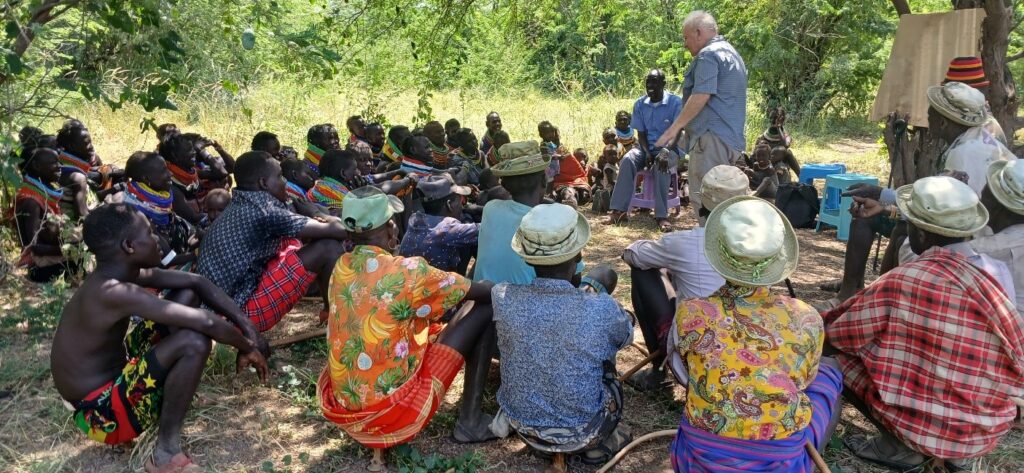
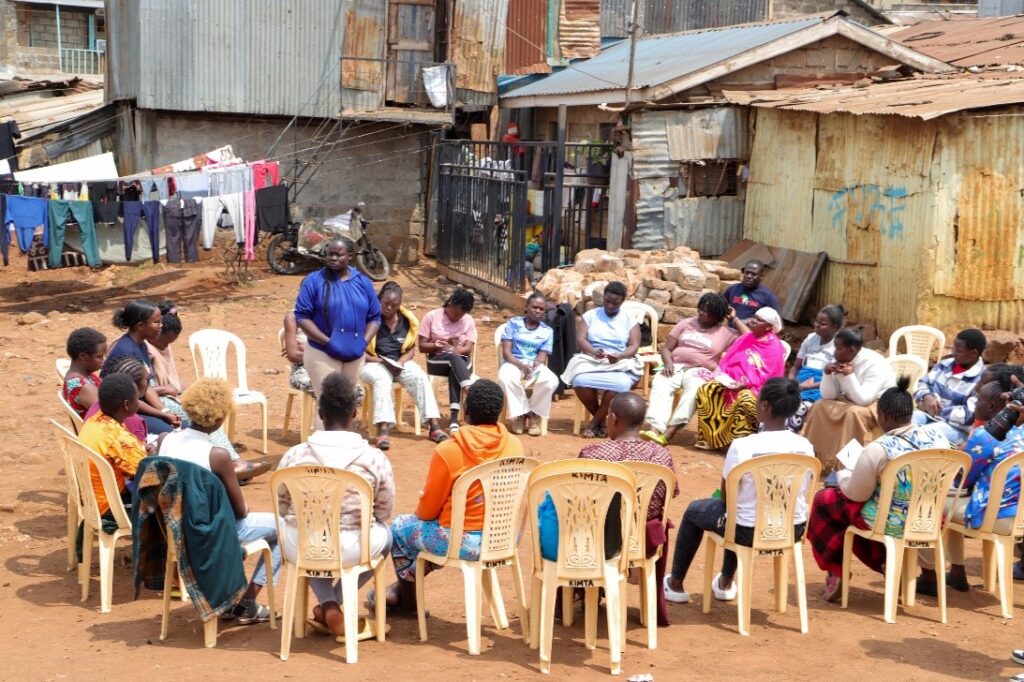
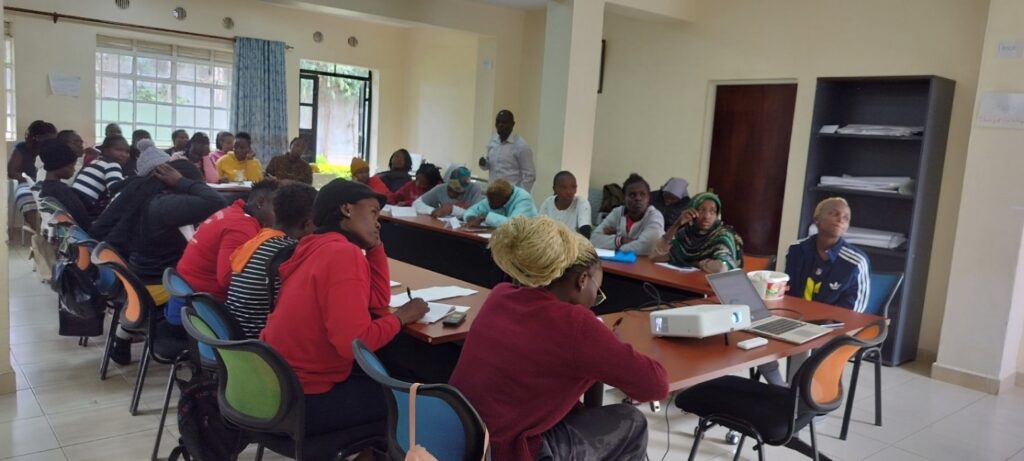
Shalom-SCCRR’s finance team prioritizes efficient use of resources by streamlining budget preparation, fund disbursement, and reporting systems. This efficiency ensures that donor funds are quickly allocated to critical interventions, such as empirical research, conflict transformation and peacebuilding initiatives, women’s empowerment work in urban informal settlements (slums), children’s peace education training workshops in schools located in conflict environments, and school/educational development projects, without unnecessary delays. Automation of financial processes and adherence to internationally accepted accounting and audit standards further reduce administrative costs and processing time.
Effectiveness in Achieving Organizational Goals
Financial effectiveness at Shalom is measured by how well financial resources translate into tangible impact. Through rigorous monitoring, evaluation, and governance overview, the finance department collaborates with program teams to align expenditures with project objectives, goals, and milestones. This ensures that every shilling/cent/pence spent contributes directly to peacebuilding outcomes, such as reducing intra- and intercommunal conflicts and fostering social cohesion. Since Shalom-SCCRR was founded in 2009, its administration costs to project costs have never exceeded 7%. In fact, the average administrative cost over the past 15 years has been approximately 4.5%. It means that 95.5% of all resources we get go directly to projects.
Economy in Resource Utilization
The principle of economy—achieving desired results in the most cost-effective manner—guides Shalom’s procurement and expenditure practices. The finance department negotiates competitive vendor contracts, minimizes overheads, and maximizes value for money, ensuring donor contributions yield maximum benefit for conflict-affected communities.
Accountability to Donors
Donor confidence is central to Shalom’s mission. The finance department maintains transparent reporting frameworks, including audited financial statements and regular updates for donors. By adhering to international financial reporting standards and Kenyan NGO regulatory requirements, Shalom-SCCRR assures donors that funds are safeguarded, properly utilized, and directed to intended projects.
Appreciation to our Donors
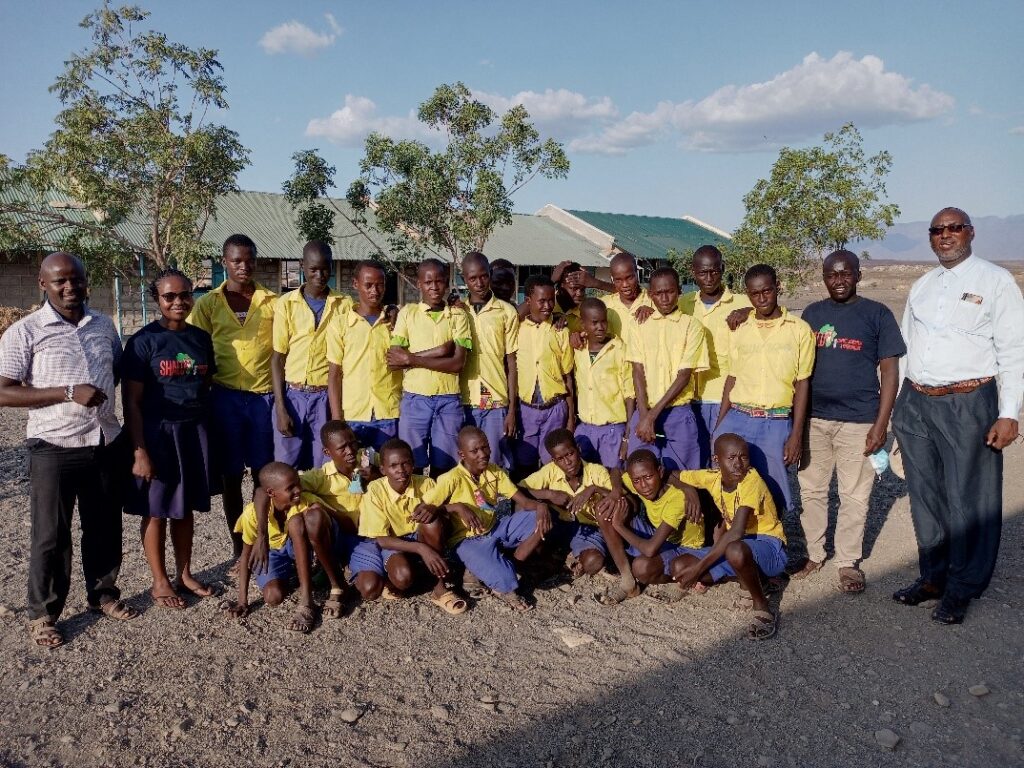
On behalf of Shalom-SCCRR, we extend our heartfelt gratitude to all our generous donors. Your unwavering support and commitment have been instrumental in advancing our mission of operationalizing peace, reconciliation, and sustainable development in communities affected by conflict.
The international development of Shalom-SCCRR, now registered in Kenya, the U.S.A., the Republic of Ireland, and the U.K/Northern Ireland, with independent boards of governance in each, is not only an endorsement of the organisation’s validity in respect to the vision, mission, and results but also to the professionalism of its structural organization, corporate governance, and leadership.
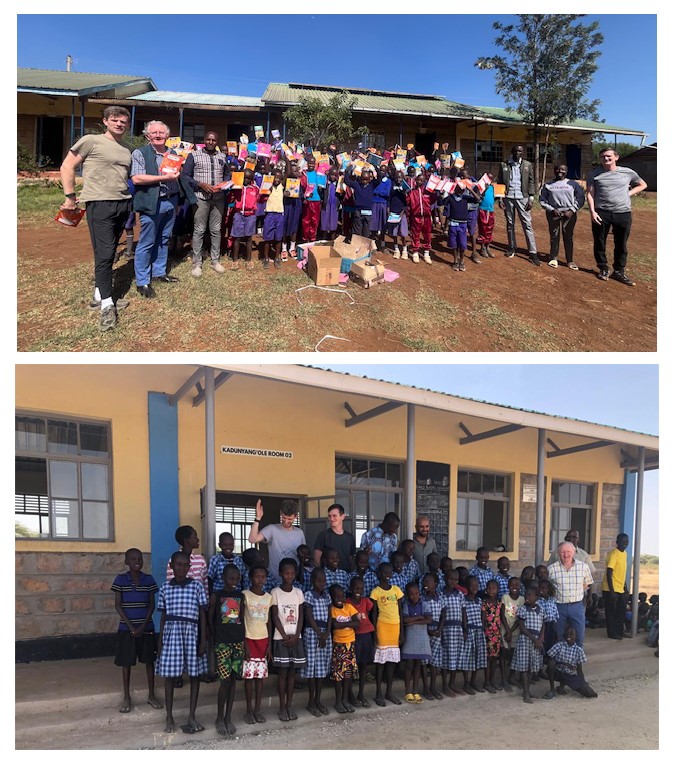
Your contributions have enabled us to implement evidential life-changing sustainable programs, empower local leaders, and build stronger bridges of understanding among divided communities. Through your partnership, we continue to promote harmony, justice, and hope where it is most needed.
We remain deeply appreciative of your trust in our work and look forward to continued collaboration in transforming lives and building lasting peace.
Conclusion
Shalom-SCCRR’s finance department exemplifies stewardship and transparency, underpinning the organization’s peacebuilding vision and mission. Its commitment to efficiency, effectiveness, economy, and accountability ensures that donor funds achieve maximum impact, fostering sustainable peace and reconciliation in some of Eastern Africa’s most conflict-prone regions.
The 15-year achievements and results of Shalom-SCCRR, since its founding in 2009, are evidence of the organization’s interventions and authenticity (https://shalomconflictcenter.org/shalom-sccrr-15-years-results-and-achievements/).

Authors: Shalom-SCCRR Finance Department Personnel
Mr. Kipkoech Kipruto, B.Com., ACCA, Accountant
Mr. Remmy Ndiema, B.BM, CPA, Assistant Accountant
Relevant Links:
- Devine, P. (2025, April 2025). Shalom-SCCRR Chairman’s Report for 2024; Rev. Dr. Patrick Devine. https://shalomconflictcenter.org/shalom-sccrr-chairmans-report-for-2024-rev-dr-patrick-devine/
- Shalom-SCCRR. (2025). Shalom-SCCRR 2024 Results.https://shalomconflictcenter.org/shalom-sccrr-2024-results/
- Shalom-SCCRR. (2025). 2024 Conflict Transformation & Peacebuilding Results and Achievements. https://shalomconflictcenter.org/2024-conflict-transformation-peacebuilding-results-and-achievements/
- Shalom-SCCRR. (2025). School/Educational Development Results and Achievements.https://shalomconflictcenter.org/school-educational-development-results-and-achievements/
- Shalom-SCCRR. (2025). Shalom Empowerment Center (SEC) Addressing Violence Against Women and Children Results and Achievements. https://shalomconflictcenter.org/shalom-empowerment-center-sec-addressing-violence-against-women-and-children-results-and-achievements/
- Odhiambo, J. K., Osiro M, & Noonan, O. (2025). The Successes of Shalom-SCCRR Conflict Transformation and School/Educational Development Interventions in Tuum, Parkati, Samburu County, Kenya. https://shalomconflictcenter.org/the-successes-of-shalom-sccrr-conflict-transformation-and-school-educational-development-interventions-in-tuum-parkati-samburu-county-kenya/
- Okoth G., (2024). Shalom-SCCRR’s Transformative Approach to Manifest and Structural Violence Takes Root on the Kenyan Coast. https://shalomconflictcenter.org/shalom-sccrrs-transformative-approach-to-manifest-and-structural-violence-takes-root-in-the-kenyan-coast/
- Devine, Patrick R. (2025). Conflict and Religion in Eastern Africa: A Conceptual Consideration of Radicalisation, Fundamentalism, Extremism, Terrorism, Tolerance, and Their Interaction Dynamics. https://shalomconflictcenter.org/wp-content/uploads/2025/07/Patrick-Devine-Tangaza-Journal-Conflict-and-Religion-in-Eastern-Africa-Jun-2025.pdf
- Noonan, O & Kevlihan, R. (2018). Managing conflict in north-west Kenya: the siege of Loregon and its aftermath, Conflict, Security & Development, 18:2, 137-157, DOI:
- 10.1080/14678802.2018.1447862
- Domit, P. S. & Devine, P. (2024). Shalom Centre for Conflict Resolution and Reconciliation (SCCRR): Addressing the Violence of Human and Organ Trafficking. https://shalomconflictcenter.org/shalom-center-for-conflict-resolution-and-reconciliation-sccrr-addressing-the-violence-of-human-and-organ-trafficking/
- Noonan, O., & Bosco, K. J. (2024). The Dynamics of Decision-Making Processes in Sustainable Conflict Management in the Ilemi Triangle. International Journal of Social Science Research and Review, 7(11), 84-96. https://doi.org/10.47814/ijssrr.v7i11.2377
- Magero, A., & Mwangi, F. (2024). Shalom-SCCRR School and Educational Institutions along the Kisumu-Nandi Borderline in Kenya contributed immensely to its Conflict Transformation and Peacebuilding Mediation. http://Transformation and Peacebuilding Mediation. https://shalomconflictcenter.org/shalom-sccrr-school-and-educational-institutions-along-the-kisumu-nandi-borderline-in-kenya-contributed-immensely-to-its-conflict-transformation-and-peacebuilding-mediation/
- Devine, P.R. (2024). Persistent Conflict Between the Pokot and The Turkana: Causes
and Implications. https://shalomconflictcenter.org/persistent-conflict-between-the-pokot-and-the-turkana/ - Macharia, A. (2024). Bridging Ethnic Divides: How Shalom-SCCRR’s Grassroots Initiatives Fostered Peace Between Turkana and Pokot Communities.https://shalomconflictcenter.org/bridging-ethnic-divides-how-shalom-sccrrs-grassroots-initiatives-fostered-peace-between-turkana-and-pokot-communities/