
By: Arthur Magero MA,
“We thank Shalom-SCCRR for their much-needed and timely intervention along the violent conflict line of the Kerio Valley. Your unique methodology, approach and committed interventions have really impacted and changed our lives, you have helped us to coexist, and through your training workshops, we have gained skills and techniques that are helping us prevent and to intervene in any conflicts that arise along the valley.” Attests Wilson Lokuko trained Shalom peace group member from Kipnai.

The valley of Kerio where Marakwet, Tugen and Pokot communities interface, has long been a hotspot for conflict, posing constant threat to lives and livelihood of these three communities. These communities are traditionally pastoralists who also engage in small-scale farming during the short rainy season along the valley. The conflict triggers between the communities have often been associated with cattle raids, competition over limited resources such as pasture and water, ethnicity, tribal identity, and political influence that have deepened divisions and perpetuated cycles of revenge, retaliation and mistrust in the Kerio valley.
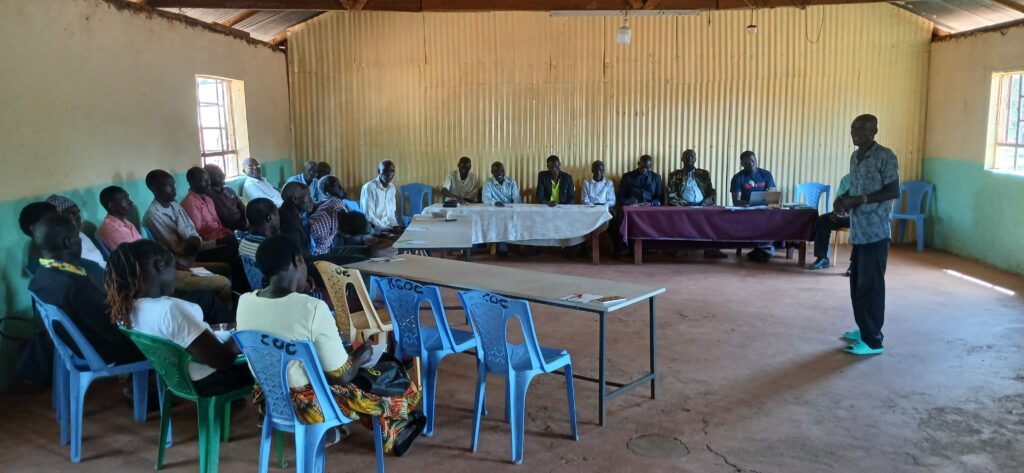
Accordingly, Shalom-SCCRR’s conflict transformation, peacebuilding, and school/educational development intervention in Kerio valley section of Elgeyo Marakwet and Baringo counties are steadily taking shape. These interventions anchored on the four dimensions of conflict transformation: personal, relational, structural, and cultural, are aimed at addressing the complex dynamics of the deeply rooted nature of identity-based conflicts among community groups in the region.

The ongoing interventions by Shalom-SCCRR are creating meaningful transformation across the different dimensions within the communities of the Kerio Valley. At the personal dimension, the communities are being nurtured towards deep spiritual, psychological and emotional healing from past atrocities. Relationally, the intervention efforts are transforming the long-held behaviours, attitudes, and stereotypes as well as strengthening communication and relationships among the communities. However, beyond individual and relational change, the interventions are also addressing structural violence. By challenging the way local systems are organized, the influential opinion shapers are now promoting equity and inclusion as they confront the structural violence that has long marginalized entrenched underdevelopment and animosity among the three communities. Furthermore, aspects of culture have historically legitimized manifest violence among the Kerio valley communities as they have also been targeted for change.
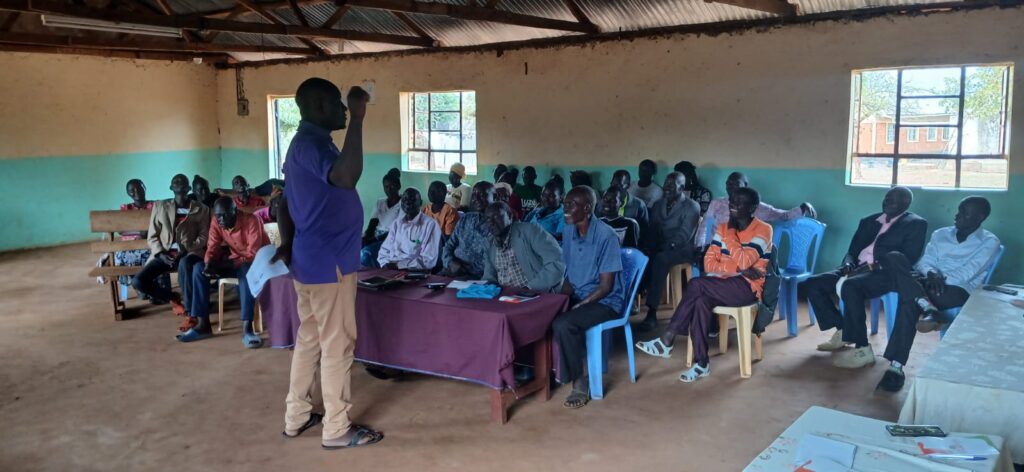
As Gabriel Suter one of the local community leaders from Arror aptly put, “Truly, our cultures and traditions have often brought division among us, tribal-raiding and hatred have for long sustained enmity among our communities in Kerio Valley. We need to embrace this approach of Shalom in addressing these issues, because we all desire to live peacefully and jointly work together.”
Building on this growing realization and willingness to confront not only external causes of conflict but also internal beliefs and practices, the Shalom-SCCRR interventions emphasize on the importance of understanding and addressing the underlying causes of conflict along the Kerio Valley. To this end, the influential opinion shapers from the three conflicting communities are being actively engaged through conflict transformation and peacebuilding training workshops and grassroots community engagement forums on how to address the underlying causes of conflict along the Kerio Valley. Some of the capacity building workshops that Shalom has undertaken with the community groups are: training on paradigms of conflict analysis, conflict transformation, conflict negotiation, conflict mediation, conflict reconciliation, managing identity-based conflict, problem solving workshops, community mobilization and facilitation for conflict intervention.
In addition to the training the project team has supported the communities to establish a team of community resource persons who have began to take the lead in conducting conflict intervention forums at the grassroots level.

These activities are equipping the community members with essential knowledge and skills to connect four dimensions of conflict transformation, that is personal, relational, structural and cultural, to practical strategies for managing and resolving identity-based conflicts in their contexts in Kerio Valley. This is indeed empowering these communities as they are guided to reclaim a future defined not by violence, but by collaboration and coexistence.
The training workshops have further enhanced these influential opinion shapers’ understanding of identity dynamics, allowing them to explore how individual and collective identities contribute to conflict in Kerio Valley. Delving into the root causes of identity-based tension along the Kerio Valley has helped transform the communities as they are now focused on addressing the underlying issues that fuel conflict and division rather than just symptoms. Guided by Shalom-SCCRR’s professional team, the key influential opinion leaders have been able to establish the real root causes of their long-standing conflict as: availability of illicit firearms, scramble for scarce resources such as water and pasture, revenge cases, livestock raids, poverty and mistrust. The identified root causes have led to development of essential grassroot intervention frameworks tailored to their conflicts. Thus, through its transformative efforts, Shalom-SCCRR is turning Kerio Valley from what has long been branded the ‘valley of death’ into a ‘valley of peace and life.’
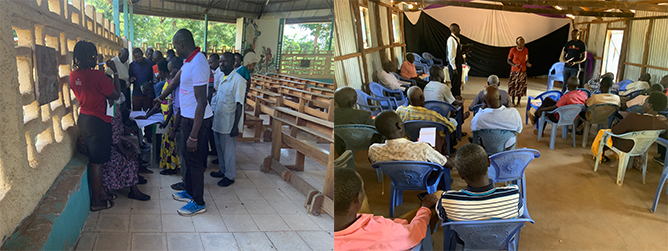
Acknowledging the successful implementation of Shalom-SCCRR’s methodology,Tarkok, an elderly Shalom trained woman from Kinyach asserts, “we appreciate Shalom-SCCRR’s conflict transformation and peacebuilding interventions in addressing the protracted conflict along the Kerio Valley. Our cultures have kept as enemies for decades, we have politically been manipulated, which has negatively shaped our behaviours and attitudes towards each other. The approach of intervention by Shalom-SCCRR through empowerment workshops has indeed helped us to analyze and address the underlying causes of traditional cultural conflicts, thus uniting us the Tugen, Marakwet and Pokot communities along the Kerio Valley.“
In connection to that, the trained community leaders have also noted that, there are positive outcomes they are realizing through this transformation. The three communities have started realizing an improvement in communication, and collaboration in doing their activities. For instance, in August 2025, the three communities were able to successfully host an awareness forum for peace through pulling their resources together and granting each other a platform for expressing their experiences and aspirations, empowering the marginalized voices and promoting interethnic tolerance and respect. In addition to that, it is also noticeable that the bonds within and between communities are strengthened, broken relations restored and intercommunal trust is gradually being felt once more. These interventions by Shalom are indeed laying a strong foundation for sustainable peace and development, thus paving way for peace and life to once again flourish along the Kerio Valley.
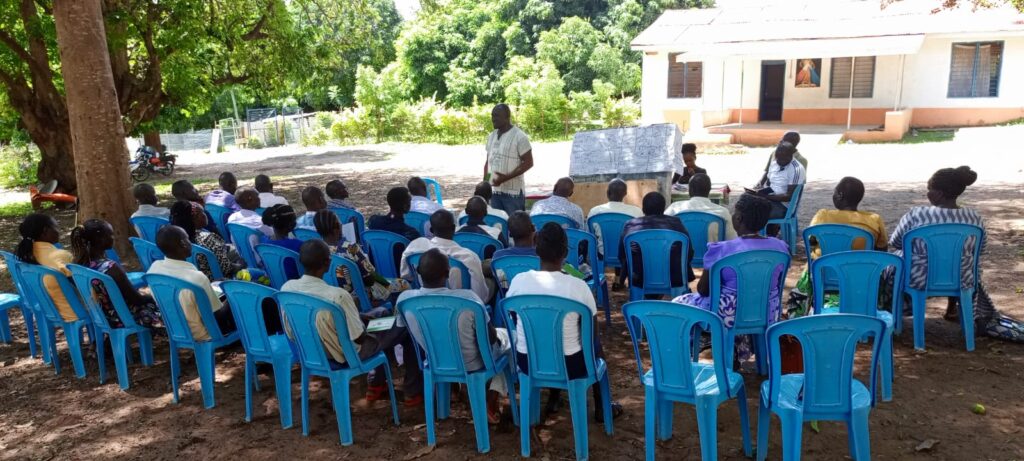
The sentiments of Pastor Wilson, a Shalom trained Opinion shaper from Kinyach, confirms this,” even now our livestock sleep on the roadside and no one is scared of anything, youth from both communities are farming together along the river Kerio, we now have some food.“
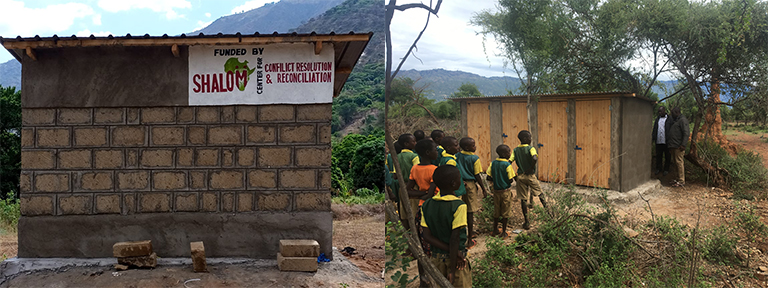
Beyond conflict transformation and peacebuilding, Shalom- SCCRR has also extended its impact through tangible development support to schools along the Kerio Valley. It has funded the critical school educational and infrastructure projects such as construction of new sanitation facilities at Chepkum primary School in Elgeyo Marakwet County and Orusion Primary school in Baringo County. These have improved sanitation and hygiene of the students hence contributing to a healthier learning environment.
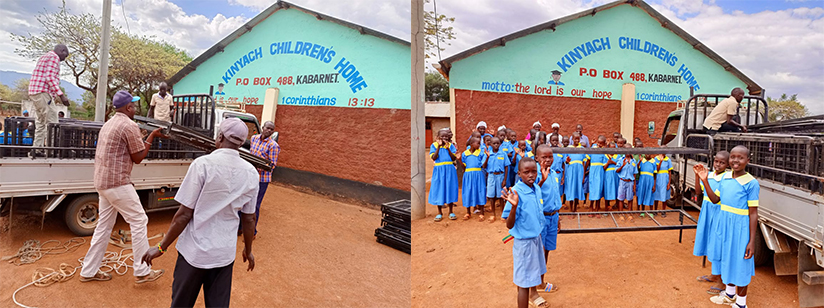
In addition, new double-decker beds were provided to Kinyach children’s home, offering comfort and improved living conditions for school-going children some of who have been orphaned by the violent conflicts in the valley.
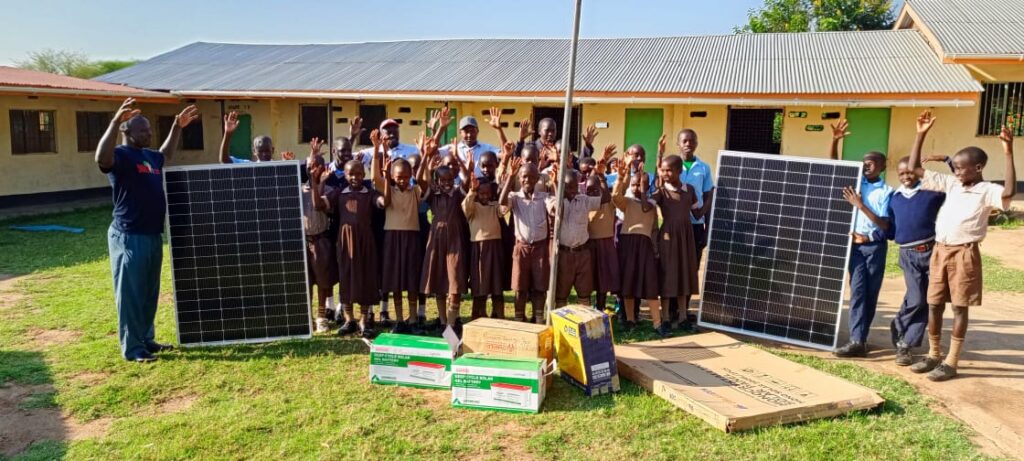
St. Benedict Arror Girls Secondary School and Arror School of Peace received solar systems, that is solar panels, batteries, and accessories, which were installed, and are now providing reliable lighting for the school and extending study time for learners, thereby enhancing the overall learning environment, leading to improved academic performance.
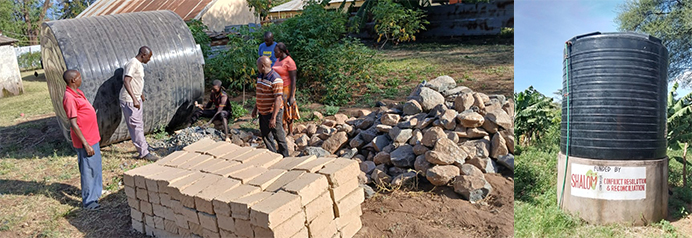
Furthermore, a water tank was installed in Kabulwo to enhance access to clean water that is directly benefiting the local residents of Kabulwo along the Kerio Valley.
These school/educational development projects are greatly contributing to the peace and development nexus in the Kerio valley as underscored by the headteacher, Chepkum Comprehensive School in Arror as he appreciates Shalom-SCCRR’s support in different schools in the region. “Thank you, Shalom, for supporting the education of pupils and students in our area. As the Chepkum Comprehensive school community, we thank you for constructing pit latrines in our school and for the concern you have for our children to study in a healthier learning environment. We also appreciate the peace-building interventions within our community, they are yielding peace in our area, which is supporting sustainable schooling in our community.”
We are immensely grateful to all Shalom-SCCRR donors, friends, and supporters for your generosity and unwavering support to our conflict transformation, peacebuilding, and school/educational development project interventions aimed at transforming marginalized communities in conflict areas in Eastern Africa. Your contributions are a major foundational pillar creating major life saving and transforming changes, fostering sustainable peace and development. The people in the conflict zones are so grateful to you.
Author: Mr. Arthur Magero Abonyo, MA, Shalom-SCCRR, Project Officer, Elgeyo Marakwet Project
Relevant Links
- Magero, A. (2024, Jan 23). Shalom-SCCRR Intervenes on an Urgent Mission to Transform the Persistent Violent Conflict Among the Marakwet, Pokot, and Tugen Living in Kerio Valley, Kenya. https://shalomconflictcenter.org/shalom-sccrr-intervenes-on-an-urgent-mission-to-transform-the-persistent-violent-conflict-among-the-marakwet-pokot-and-tugen-living-in-kerio-valley-kenya/
- Shalom-SCCRR. (2025, June 4). Shalom-SCCRR 15 Years Results and Achievements. https://shalomconflictcenter.org/shalom-sccrr-15-years-results-and-achievements/
- Devine, P. (2025, April 2025). Shalom-SCCRR Chairman’s Report for 2024; Rev. Dr. Patrick Devine. https://shalomconflictcenter.org/shalom-sccrr-chairmans-report-for-2024-rev-dr-patrick-devine/
- Shalom-SCCRR. (2025, Oct 3). Rev. Dr. Patrick Devine 2025 International Lectures and Presentations. https://shalomconflictcenter.org/rev-dr-patrick-devine-2025-international-lectures-and-presentations/
- Kipkoech, K. & Ndiema, R. (2025, Oct 6). Stewardship at the Shalom Center for Conflict Resolution and Reconciliation (SCCRR). https://shalomconflictcenter.org/stewardship-at-the-shalom-center-for-conflict-resolution-and-reconciliation-sccrr/
- Shalom-SCCRR. (2025, Sept 4). 2025 Shalom-SCCRR School/Educational Development Projects Implementation Progress & Achievement Report. https://shalomconflictcenter.org/2025-shalom-sccrr-school-educational-development-projects-implementation-progress-achievement-report/
- Osiro, M. (2025, August 15). Shalom-SCCRR’s Peacebuilding Interventions; Leveraging Negotiation and Mediation to Realize Positive Peace for Communities Living in Kibera Slums, Nairobi, Kenya. https://shalomconflictcenter.org/shalom-sccrrs-peacebuilding-interventions-leveraging-negotiation-and-mediation-to-realize-positive-peace-for-communities-living-in-kibera-slums-nairobi-kenya/
- Odour, K. (2025, August 1). Fostering the culture of peace in learning institutions: Shalom-SCCRR’s Peace Education and Development Approach. https://shalomconflictcenter.org/fostering-the-culture-of-peace-in-learning-institutions-shalom-sccrrs-peace-education-and-development-approach/
- Domit, P. S. & Devine, P. (2024). Shalom Center for Conflict Resolution and Reconciliation (SCCRR): Addressing the Violence of Human and Organ Trafficking. https://shalomconflictcenter.org/shalom-center-for-conflict-resolution-and-reconciliation-sccrr-addressing-the-violence-of-human-and-organ-trafficking/
- Shalom-SCCRR. (2024, Nov 24). World Children’s Day 2024. Shalom-SCCRR Transforming Children’s Lives Through Education and Peace-Building. https://shalomconflictcenter.org/transforming-childrens-lives-through-education-and-peace-building/
- Devine, P. R. (2025). Conflict and Religion in Eastern Africa: A Conceptual Consideration of Radicalisation, Fundamentalism, Extremism, Terrorism, Tolerance, and Their Interaction Dynamics. https://shalomconflictcenter.org/wp-content/uploads/2025/07/Patrick-Devine-Tangaza-Journal-Conflict-and-Religion-in-Eastern-Africa-Jun-2025.pdf