“We go through a lot, but people see only the poverty in our slum; they do not always see how we hold each other together when we are affected by violent conflict, hunger, and many hardships we go through, just to keep hope alive for another day. With Shalom-SCCRR walking with us and helping us recognize our togetherness, they have assisted us in learning how to address our own conflicts better and build peace in our own community,” Ms. Elizabeth Oduor, a trained Shalom-SCCRR community facilitator for Mathare.

- 4,017 women from urban informal settlements and slums were equipped with knowledge and capacity to prevent human and organ trafficking, as well as religious ideological extremism.
- 8,331 women leaders empowered with analytical skills and techniques for conflict transformation and peacebuilding in 179 training workshops in 14 informal settlement areas/slum areas.
- 7,229 women and youth have benefitted from psychosocial support.
- 1,727 women from the slum are benefitting from the livelihood programs.
- 886 services clients (individuals and groups) engaged in more holistic and intensive counseling.
- 3,090 pregnant girls and women benefited from Ultrasound (Sonogram) Services.

In Nairobi’s informal settlements (slums), one of the places where the Shalom Center for Conflict Resolution and Reconciliation (Shalom-SCCRR) works, life unfolds amid profound contrasts of hardships, sorrow, and recurring violent conflict, lived alongside fraternal care and hope. Despite the weight of daily structural challenges, the resilience of these communities remains unshaken. These residents struggle with structural violence, which manifests through overcrowding, poverty, insecurity, ethnic and tribal divisions, political polarization, and social exclusion.
Transforming slums into Communities of Hope
In the face of daily hardships and doubt, Shalom-SCCRR continues to walk hand in hand with slum communities through conflict transformation interventions, peacebuilding programs, peace education in schools, school/educational development support, and economic livelihood resilience empowerment. These efforts have equipped community leaders and vulnerable families with the skills and confidence to settle and resolve conflicts, heal divisions, and challenge and advocate against the deep-rooted injustices they face.
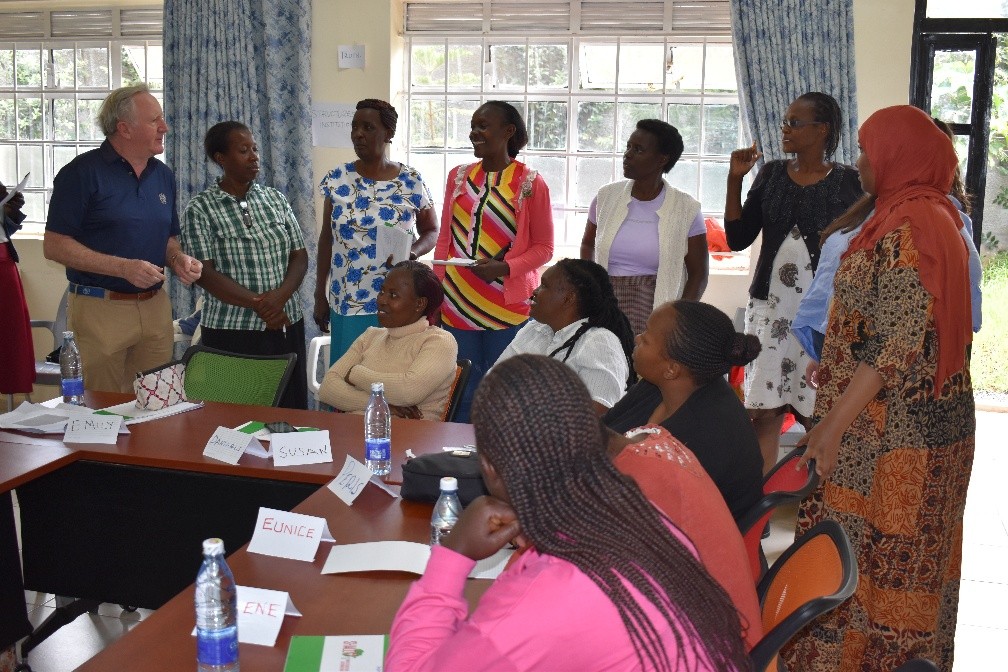
Through this continuous presence, communities are rediscovering their strength as they foster a powerful spirit for life and its dignity, in these places defined by poverty and neglect. Shalom-SCCRR’s constant companionship affirms human dignity and keeps hope alive where it is most needed.
Shalom-SCCRR teams remain deeply committed to working with communities in slums and informal settlements through ongoing conflict transformation, peacebuilding, and development efforts. As one staff member explains, the “Shalom team listens closely to the voices of those affected by violence and injustice rooted in structural inequalities and iniquities.”

Through conflict transformation and peacebuilding initiatives, school/educational development programs, empowerment workshops, especially those addressing violence against women and children, and the livelihood program, Shalom-SCCRR remains shoulder to shoulder with slum communities in reclaiming their human dignity and rights, in strengthening their capacity for change. These interventions have equipped families and communities with the analytical skills and techniques to transform conflicts in constructive and peaceful ways, as well as resilience to face the harsh realities of slum life.
Guided by its mission, Shalom-SCCRR honors and uplifts the knowledge and wisdom within marginalized communities, fostering social cohesion, resilience, and reconciliation. Together with unwavering support from its donors, partners, and supporters, Shalom-SCCRR is helping to transform these places of hardship into communities of vision and hope.
Shared Identity and Togetherness
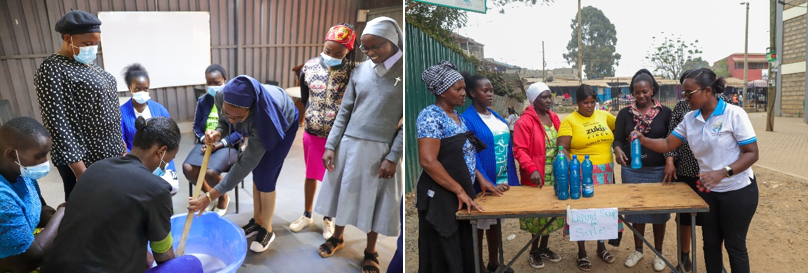
In the contexts where overcrowding could foster isolation and despair, Shalom-SCCRR nurtures relationships that transform spaces into inclusive and supportive communities that demonstrate authentic long-term relationships. Through inter-communal dialogue, negotiation, mediation, and collaborative problem-solving, the organization has helped dismantle/breakdown barriers of selfishness and ego, thus promoting dependable bonds of solidarity and mutual support in times of conflict as they remain attached to a community life. On the same note, as neighbor, they always stand up united, using the essential conflict transformation and peacebuilding skills and techniques acquired from the Shalom-SCCRR training workshops.
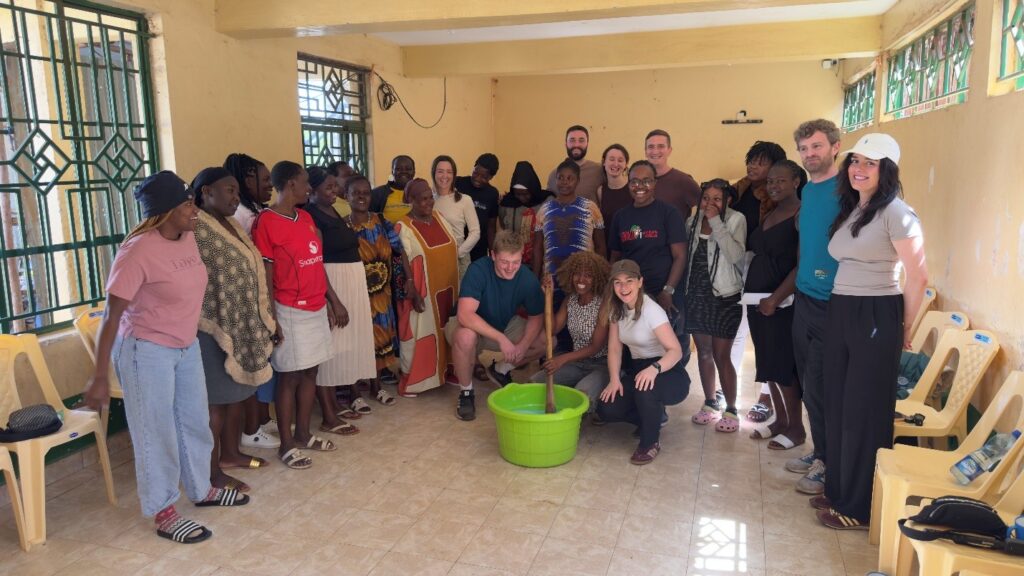
By offering holistic livelihood resilience support to help empower these vulnerable and marginalized communities in slum areas, it has made it noticeable that these communities respect human life and dignity over material gain. In the past year 1,727 Women have been empowered through 73 Workshops with Holistic Livelihood Resilience Capacity, Life skills, and other relevant courses and interventions, essential for resolving all forms of manifest and structural violence. They also receive entrepreneur guidance and skills that strengthens their economic resilience, confidence, and capacity to support their families and contribute to community stability. This has indeed enhanced the spirit of togetherness that drives them to being more compassionate to each other in times of resource scarcity as they quickly mobilize each other to work together and reduce cases of inequality thus strengthening their spirit of collective well-being.
Empowering Communities in the slums against Violent Threats and Hardship
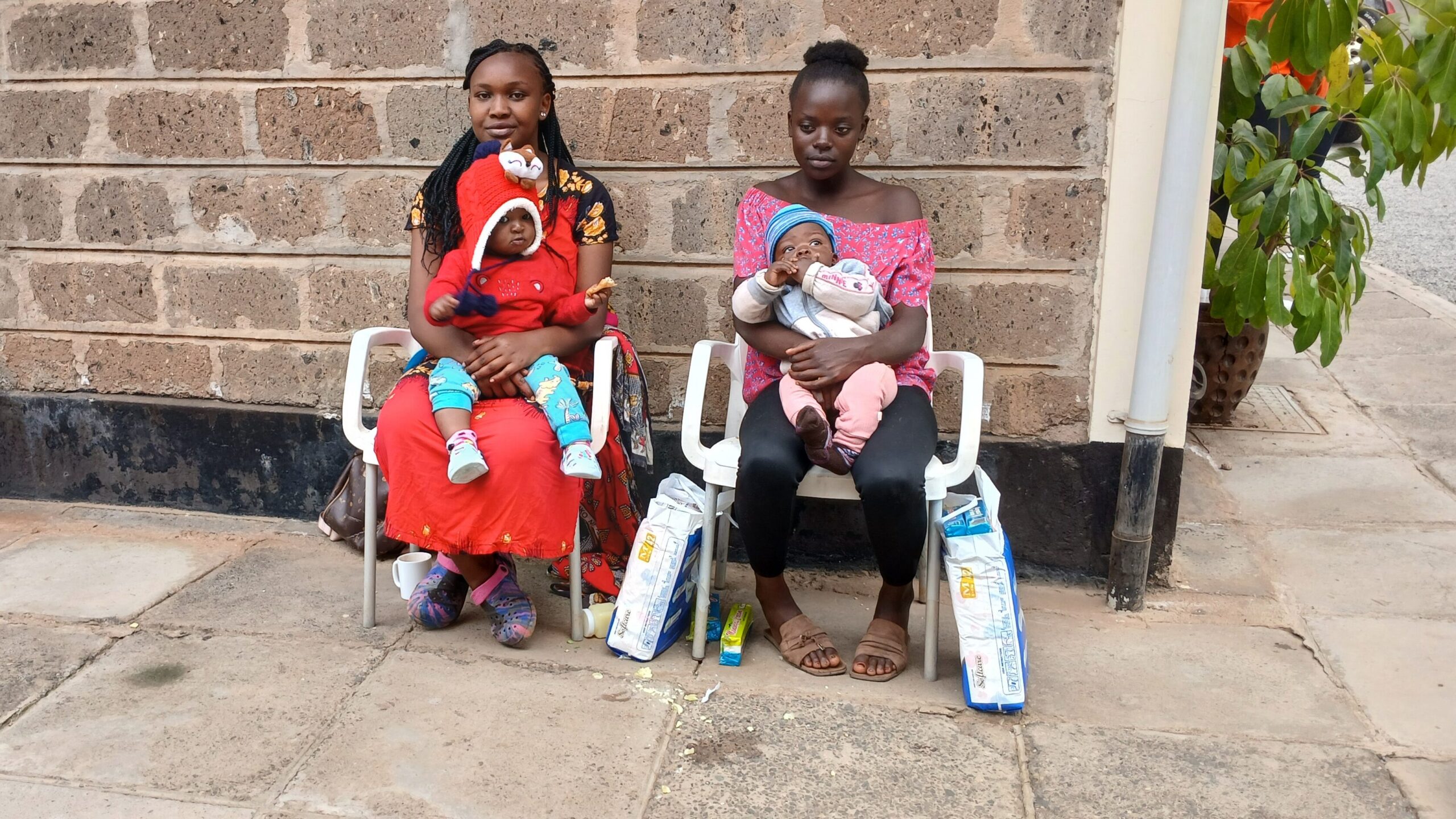
Shalom-SCCRR has continued to care for the vulnerable, the marginalized and the sick in the slum and informal settlement areas through holistic livelihood support, psychosocial support, crisis pregnancy resource center and counselling services across the slum areas, where shared responsibility ensures that no one is left to suffer alone. However, despite this hardship, the communities have remained patient and resilient in countering these challenges with hope, courage, vivaciousness and a commitment for a better future.
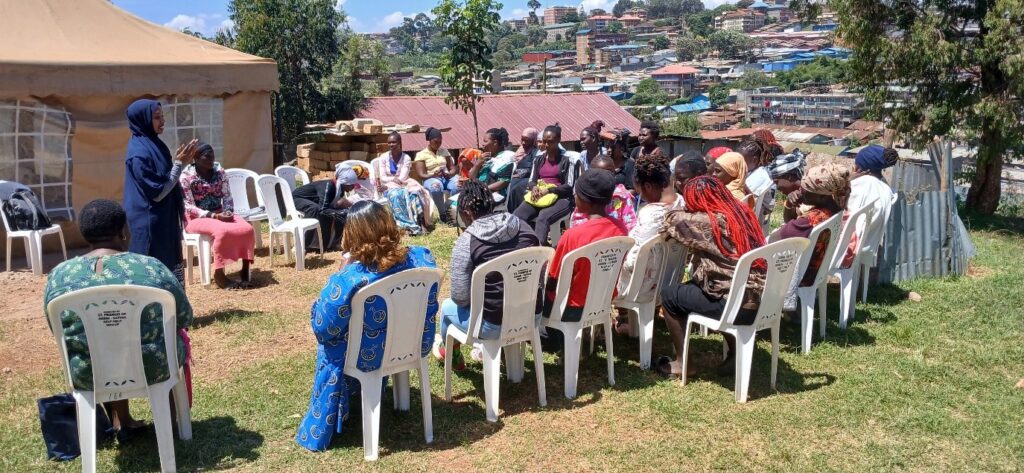
With the number of cases of human and organ trafficking and religious ideological extremism on the rise, Shalom-SCCRR, through sensitization and enlightening training workshops, has strengthened the community’s resilience against systemic violent threats that may crop up, thus preventing the slum communities from cases of human and organ trafficking as well as radicalization. Accordingly, over 4,000 women from urban informal settlements and slums have been equipped with knowledge and capacity to prevent Human and Organ Trafficking, as well as Religious Ideological Extremism.

Through community-driven reconciliation processes, dialogue forums, and peace initiatives that prevent conflict escalation and strengthen local governance, Shalom-SCCRR has been able to strengthen community capacity to rebuild trust and promote inclusive development in the slum areas.
Addressing Structural Injustices
Slum communities face deep-rooted structural injustices, including historical marginalization, concentrated power, unfair land distribution, high rents, and limited access to essential services, which heighten their vulnerability. Shalom-SCCRR takes a conflict-sensitive development approach to restore fairness and dignity, advocating for equitable access to resources such as safe water, education, and healthcare. At the Women’s Empowerment Center (SEC) in Kabiria, for example, Shalom-SCCRR drilled a borehole to assist the conflict management training programs for peace and development.
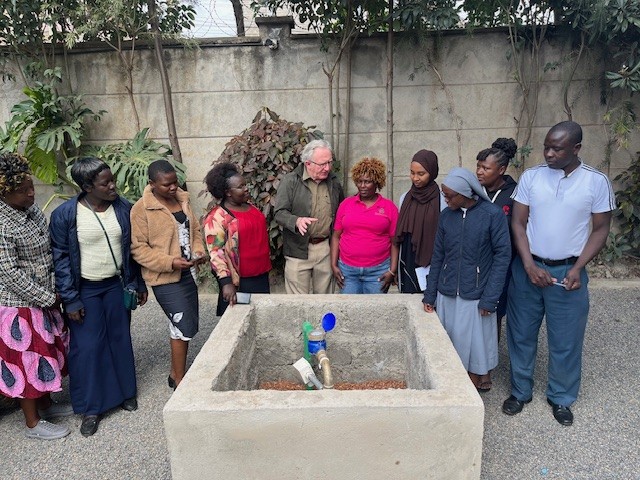
Additionally, Shalom-SCCRR has ensured that children in these communities have access to quality education by enhancing safe learning environments through school/educational development support. The educational and development support for schools and community institutions has further contributed to reinforcing social cohesion, mitigating conflicts, and creating safer spaces where children and youth can grow up in nurturing, peaceful environments.

Shalom’s implementation of Peace Education Program in primary and secondary schools in urban informal settlements and slums, has equipped pupils and students with the knowledge, skills, and values necessary to build lasting peace. Through structured training and school-based Peace Clubs, the program strengthens students’ critical thinking, conflict analysis, and problem-solving capacities, enabling them to address conflict constructively both in school and within their communities.
A Shared Responsibility and Sustained Peace
Shalom-SCCRR empowers community members, faith leaders, and policymakers to actively participate in reconciliation and sustainable peacebuilding processes within the slum areas. Despite the many challenges these communities face, Shalom-SCCRR’s integrated approach to conflict transformation, peacebuilding, women empowerment, women in crisis pregnancy situations, peace education and school/educational development has helped in protecting communal achievements and celebrate shared victories.
Through these initiatives, Shalom-SCCRR’s work has demonstrated that even the slum communities can have potential for social transformation, experience renewed hope, and cultivate a culture of dignity, inclusion, and lasting peace. In doing so, the communities are not only resolving conflicts but also building lasting capacities for social harmony and resilience.
Authors:
Mr. Arthur Magero Abonyo MA, Shalom-SCCRR, Project Officer, Ilemi & Elgeyo Marakwet Projects
Ms. Esther Njeri Kibe MA, Shalom-SCCRR, Women’s Lead Project Officer
Rev. Dr. Patrick Devine, Shalom-SCCRR International Chairman
Relevant Links–
Shalom-SCRR. (2026, May 8). Rev. Dr. Patrick Devine; Shalom-SCCRR Chairman’s Report for 2025.
https://shalomconflictcenter.org/rev-dr-patrick-devine-shalom-sccrr-chairmans-report-for-2025/
Shalom-SCCRR (2026, April 22). Shalom-SCCRR 16 Years Results and Achievements. https://shalomconflictcenter.org/shalom-sccrr-16-years-results-and-achievements/
Shalom-SCCRR. (2026, March 16). 2025 School/Educational Development Results and Achievements. https://shalomconflictcenter.org/2025-school-educational-development-results-and-achievements/
Shalom -SCCRR. (2026, March 2). 2025 Conflict Transformation & Peacebuilding Results and Achievements. https://shalomconflictcenter.org/2025-conflict-transformation-peacebuilding-results-and-achievements/
Shalom-SCCRR. (2026, February 18). 2025 Shalom Empowerment Center (SEC) Addressing Violence Against Women and Children Results and Achievements. https://shalomconflictcenter.org/2025-shalom-empowerment-center-sec-addressing-violence-against-women-and-children-results-and-achievements/
MJLC. (2025, March 25). Mary and Joseph Life Center (MJLC) 2025 Results and Achievements. https://maryandjosephlifecenter.org/mary-and-joseph-life-center-mjlc-2025-results-and-achievements/
Odhiambo, J. K & Kibe, E. (2025, Dec 9). Snapshots: Women Transforming Conflict at the Forefront and Grassroots in Informal Urban Settlements (Slums) and Remote Impoverished Terrains. https://shalomconflictcenter.org/snapshots-women-transforming-conflict-at-the-forefront-and-grassroots-in-informal-urban-settlements-slums-and-remote-impoverished-terrains/
Kibe, E. & Mwangi. F. (2025, Dec 2). Results from Shalom-SCCRR’s Women Empowerment. https://shalomconflictcenter.org/results-from-shalom-sccrrs-women-empowerment-interventions/
Kibe, E & Osiro, M. (2024). Shalom-SCCRR’s Vital Role in Addressing All Acts of Violence Against Women and Children. https://shalomconflictcenter.org/shalom-sccrrs-vital-role-in-addressing-all-acts-of-violence-against-women-and-children/
Shalom-SCCRR Launch of the Human and Organ Trafficking Module and Women Empowerment. https://youtu.be/5e9tCDeh1fY
Domit, P. S. & Devine, P. (2024). Shalom Center for Conflict Resolution and Reconciliation (SCCRR): Addressing the Violence of Human and Organ Trafficking. https://shalomconflictcenter.org/shalom-center-for-conflict-resolution-and-reconciliation-sccrr-addressing-the-violence-of-human-and-organ-trafficking/