By: Moses Osiro MA,
“Youths are not merely leaders of tomorrow, but people with immediate needs, such as peace, development, and reconciliation, that must be met in the here and now. Shalom-SCCRR’s conflict transformation and peace education across the region encourages and empowers youths to become enlightened agents of change in communities. By empowering these youths with conflict transformation skills and peacebuilding techniques, Shalom cultivates a new generation of leaders who can advocate and bring about positive change.” Rev. Dr. Patrick Devine, Shalom-SCCRR Chairman
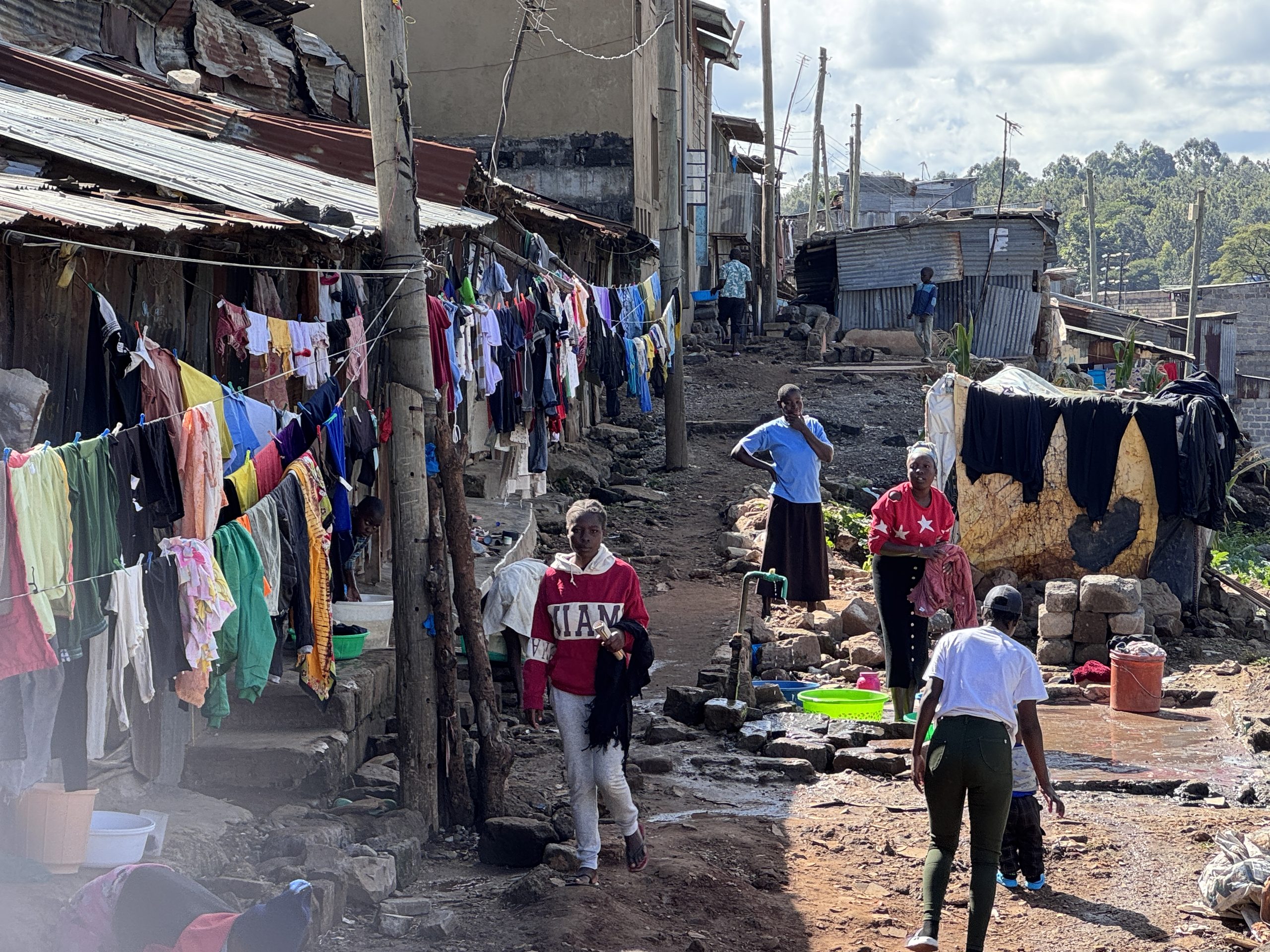
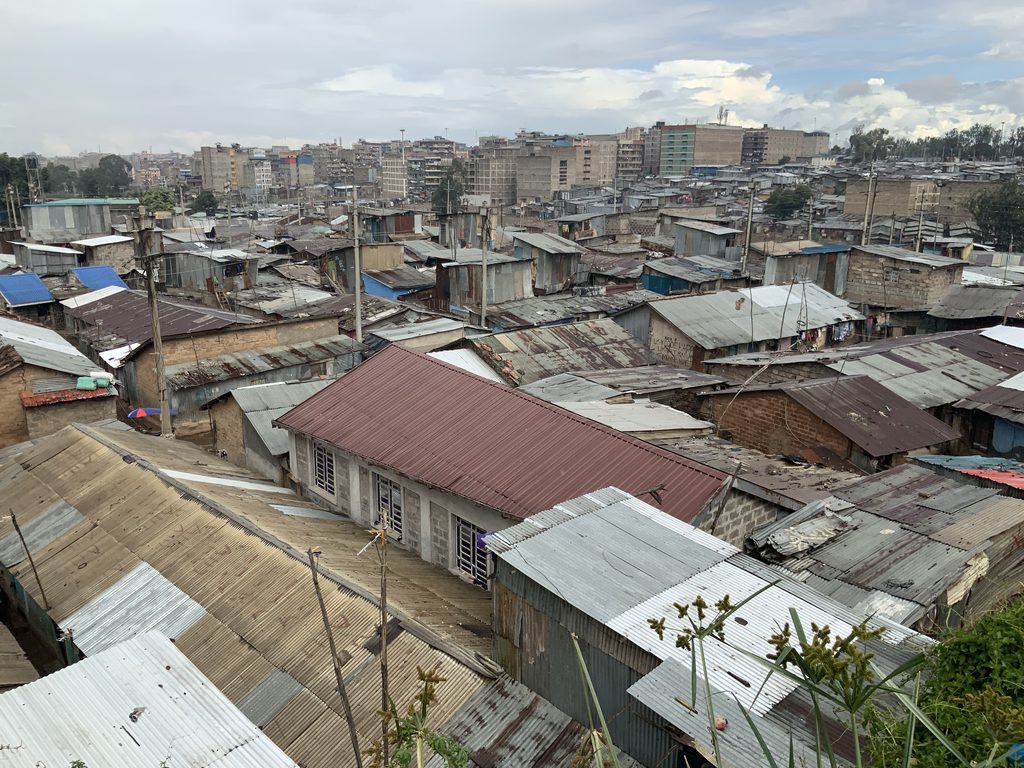
Mathare, one of Nairobi’s oldest and most densely populated informal settlements/slums, continues to grapple with persistent and deeply rooted conflict dynamics. Characterized by systemic poverty, spatial inequality and historical marginalization, Mathare has become emblematic of the broader challenges facing Kenya’s urban informal settlements/slums. At the heart of these tensions lies a powerful paradox: the youth—who constitute the majority of the population—are not only the most affected by conflict but are also the most capable of leading its transformation.
Youth in Mathare are disproportionately impacted by a range of structural challenges. High levels of unemployment, limited access to quality education and inadequate social services have culminated in widespread feelings of exclusion and despair. This marginalization is not merely economic; it is social, political, and psychological in nature.
Deprived of viable economic opportunities, many young people in Mathare become vulnerable to involvement in crime and gang-related activities. The lack of structured engagements has also contributed to rising cases of drug and substance abuse, further exacerbating cycles of poverty and violence.
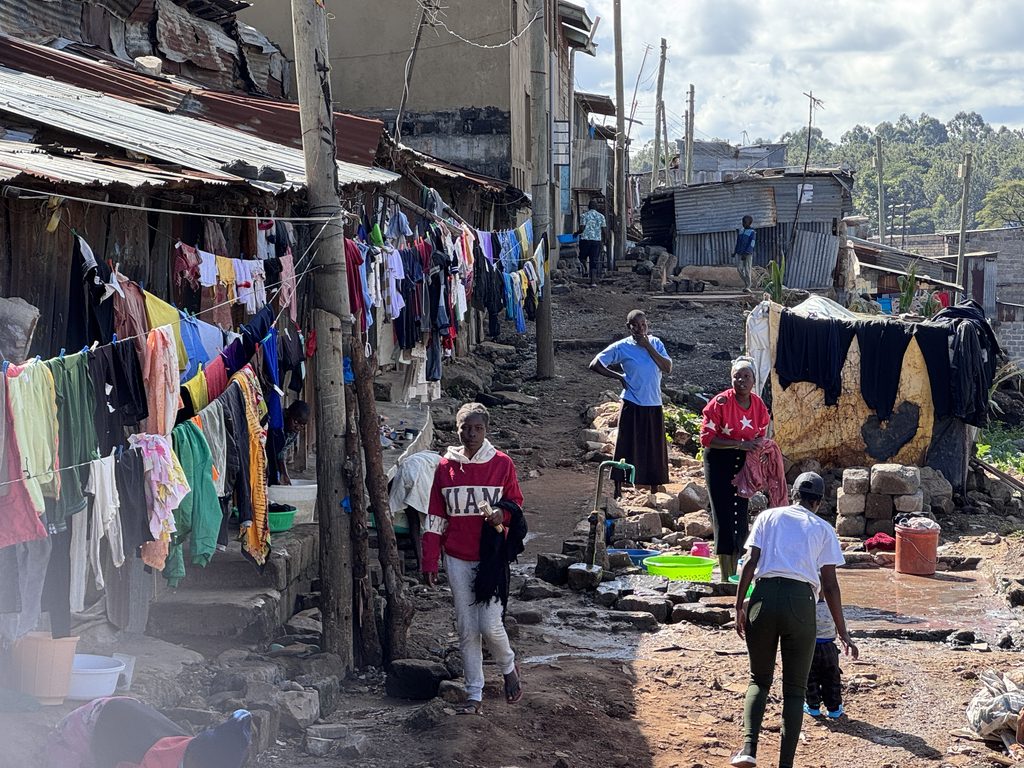
These dynamics have entrenched destructive intergroup relations, particularly between youth and security agencies, notably the police. Tensions between the youth and the police are frequently marked by mistrust, confrontation, and at times, fatal encounters. Heavy-handed policing, often perceived as discriminatory and unjust, only deepens the divide, fueling resentment and retaliatory violence. Similarly, strained relationships between youth and other community groups—such as elders, women, and local leadership—undermine communal cohesion, leading to fragmented social structures.
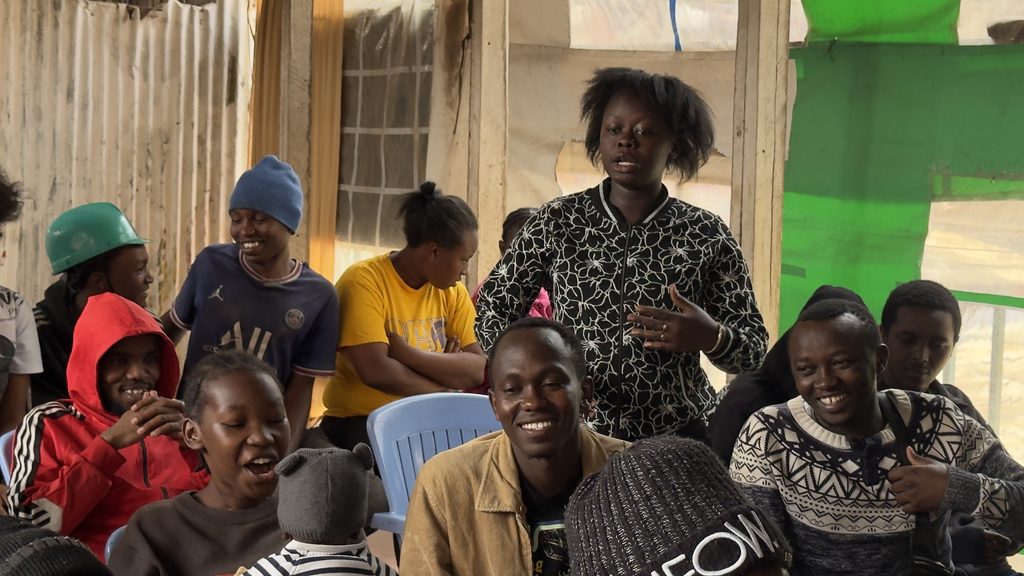
Amid these complexities, the Shalom Center for Conflict Resolution and Reconciliation(Shalom-SCCRR)has remained a constant beacon of hope, working diligently to empower youth in Mathare as key stakeholders in conflict transformation and peacebuilding. Recognizing that sustainable peace cannot be imposed from above or outside, Shalom-SCCRR adopts a comprehensive, collaborative, participatory, and context-specific approach—engaging young people directly in the processes of conflict analysis, peacebuilding, and ultimately, reconciliation. Empowering the youth to be the architects of their own future is the core of Shalom’s interventions.
Through structured training programs, workshops, and collaborative awareness forums, Shalom-SCCRR equips youth with vital conflict analytical skills—enabling them to understand the conflict issues, root causes, dynamics, and actors in conflict scenarios. These analytical frameworks not only help youth to interpret and navigate their environment with critical insight but also prepare them to anticipate and mitigate potential flashpoints before they escalate.
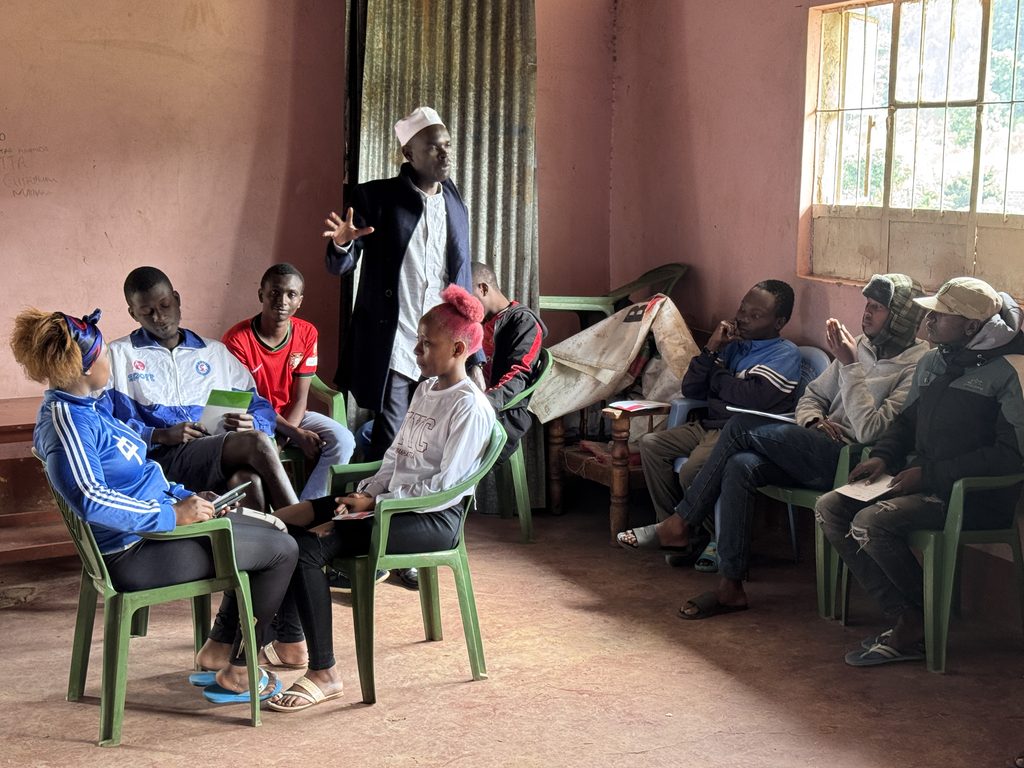
Furthermore, Shalom-SCCRR’s peacebuilding curriculum integrates conflict negotiation, mediation techniques as well as community facilitation, fostering a culture of tolerance and mutual respect among youth from diverse ethnic, religious, and socio-economic backgrounds. By focusing on interpersonal and intergroup reconciliation, the program nurtures young leaders who serve as role models, peace ambassadors, and catalysts for communal healing.

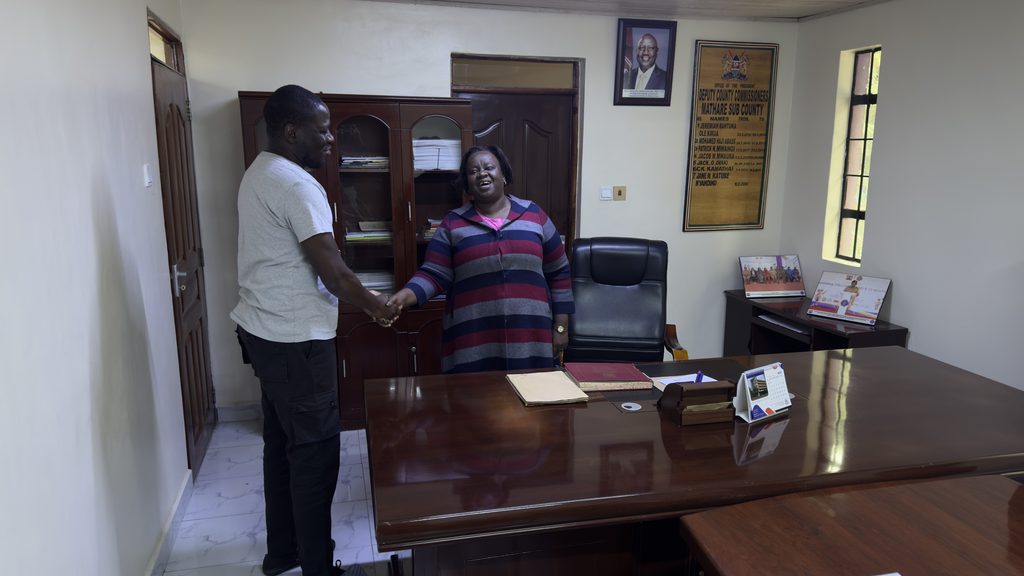
The organization’s emphasis on collaborative partnerships—with local schools, community-based leadership, religious institutions and security agencies—ensures that these efforts are not isolated but instead embedded within a broader ecosystem of peace and development.

Too often, public discourse around youth in conflict-prone areas like Mathare paints them as perpetrators of violence. While this narrative may be rooted in observable trends, it fails to account for the structural conditions that drive such behaviors and overlooks the immense potential of young people to serve as architects of peace.
The truth is: youth are not the problem—they are the solution. When given the tools, trust, and platforms to lead, youth demonstrate extraordinary resilience, innovation, and commitment to peaceful coexistence. Their lived experiences, cultural fluency, and energy position them uniquely to mediate disputes, bridge community divides, and reimagine inclusive futures.
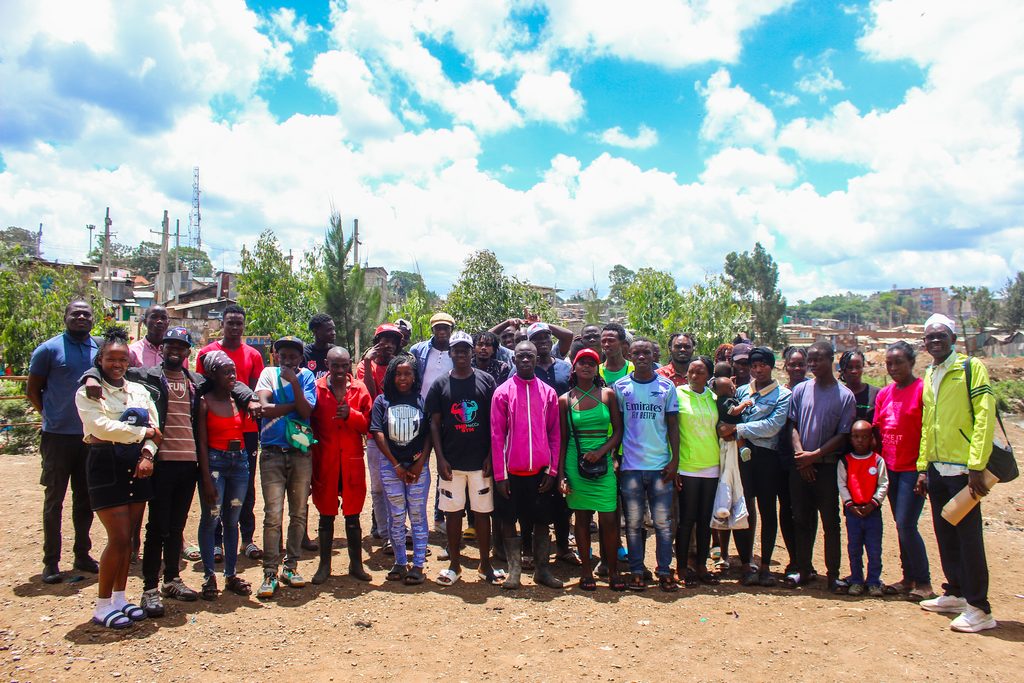
This is why it is not only important but imperative for youth to be actively involved in local conflict transformation and peacebuilding mechanisms. Whether through youth peace committees, community awareness forums, or civic engagement initiatives, their participation lends credibility, sustainability and dynamism to conflict transformation efforts.
Shalom-SCCRR’s work in Mathare exemplifies this principle in action—showing that with the right investment and accompaniment, marginalized youth can transcend cycles of violence to become agents of peace, tolerance and reconciliation in their communities.
The challenges in Mathare are undeniably complex, but they are not insurmountable. Transformative change begins with recognizing and harnessing the power of youth—not as passive victims or threats, but as active leaders in the peacebuilding process.
By equipping young people with the knowledge, skills, and confidence to resolve conflicts constructively, Shalom-SCCRR is not just addressing immediate security concerns—it is laying the foundation for a more just, cohesive, and hopeful future.
Author: Mr. Moses Osiro MA, Shalom-SCCRR Project Officer, Team Leader
RELEVANT LINKS
- Shalom-SCCRR. (2026, September 20). Shalom-SCCRR 2026 Impact-to-date. https://shalomconflictcenter.org/shalom-sccrr-2026-impact-to-date/
- Shalom-SCCRR 16 Years Results and Achievements. https://shalomconflictcenter.org/wp-content/uploads/2026/04/16-Years-Shalom-SCCRR-Results-and-Achievements-LV.pdf
- Devine, Patrick R. (2025). Shalom-SCCRR’s Conflict Transformation and Peacebuilding Intervention Methodology, Processes and Spiritual Rationale (Synopsis) with 16 years Results. https://shalomconflictcenter.org/shalom-sccrr-intervention-methodology-conflict-management-continuum-diagram-and-a-brief-rationale-overview-with-16years-results/
- Rev. Dr. Patrick Devine; Shalom-SCCRR Chairman’s Report for 2025.https://shalomconflictcenter.org/rev-dr-patrick-devine-shalom-sccrr-chairmans-report-for-2025/
- Shalom-SCCRR Chairman’s Report for 2025; Rev. Dr. Patrick Devine with pictures, captions, and links added by the Shalom-SCCRR Communication Department.https://shalomconflictcenter.org/shalom-sccrr-chairmans-report-for-2025-rev-dr-patrick-devine/
- 2025 School/Educational Development Results and Achievements. https://shalomconflictcenter.org/2025-school-educational-development-results-and-achievements/
- 2025 Conflict Transformation & Peacebuilding Results and Achievements. https://shalomconflictcenter.org/2025-conflict-transformation-peacebuilding-results-and-achievements/
- 2025 Shalom Empowerment Center (SEC) Addressing Violence Against Women and Children Results and Achievements. https://shalomconflictcenter.org/2025-shalom-empowerment-center-sec-addressing-violence-against-women-and-children-results-and-achievements/
- Abonyo, A., Kibe, E., & Devine, Patrick R. (2026, May 11). Spirit of Life in Kenya’s Slums: Shalom-SCCRR’s Transformative Presence. https://shalomconflictcenter.org/spirit-of-life-in-kenyas-slums-shalom-sccrrs-transformative-presence/
- Kibe, E. (2026, June 27). Rev. Dr. Patrick Devine’s Presentation at the Tangaza University, School of Philosophy Symposium.
https://shalomconflictcenter.org/rev-dr-patrick-devines-presentation-at-the-tangaza-university-school-of-philosophy-symposium/ - Conflict Transformation-Hope Realized: My Journey with Shalom-SCCRR’s Peacebuilding in Mathare Slum, Nairobi, Kenya. https://shalomconflictcenter.org/conflict-transformation-hope-realized-my-journey-with-shalom-sccrrs-peacebuilding-in-mathare-slum-nairobi-kenya/
- Devine, P. R. (2025). “Conflict and Religion in Eastern Africa: A Conceptual Consideration of Radicalisation, Fundamentalism, Extremism, Terrorism, Tolerance, and Their Interaction Dynamics”, published in the 2025 Tangaza Journal of Theology & Mission (2024/1-2). https://shalomconflictcenter.org/wp-content/uploads/2025/07/Patrick-Devine-Tangaza-Journal-Conflict-and-Religion-in-Eastern-Africa-Jun-2025.pdf
- Shalom-SCCRR’s Peacebuilding Interventions; Leveraging Negotiation and Mediation to Realize Positive Peace for Communities Living in Kibera. https://shalomconflictcenter.org/shalom-sccrrs-peacebuilding-interventions-leveraging-negotiation-and-mediation-to-realize-positive-peace-for-communities-living-in-kibera-slums-nairobi-kenya/