
By: Arthur Magero Abonyo MA,
The implementation of conflict transformation, peacebuilding and school/educational development interventions in the Kenya’s Kerio Valley has been accompanied by several challenges due to persistent insecurity, poor infrastructure, and harsh environmental conditions. These challenges have posed significant risks not only to the local communities but also hindering the timely implementation of project activities.
Despite all these, Shalom-SCCRR has empowered a total of 3,652 key influential opinion shapers with essential analytical skills and techniques in conflict transformation and peacebuilding through trainings and forums conducted across four administrative locations, impacting over 300,000 people along the Kerio valley.
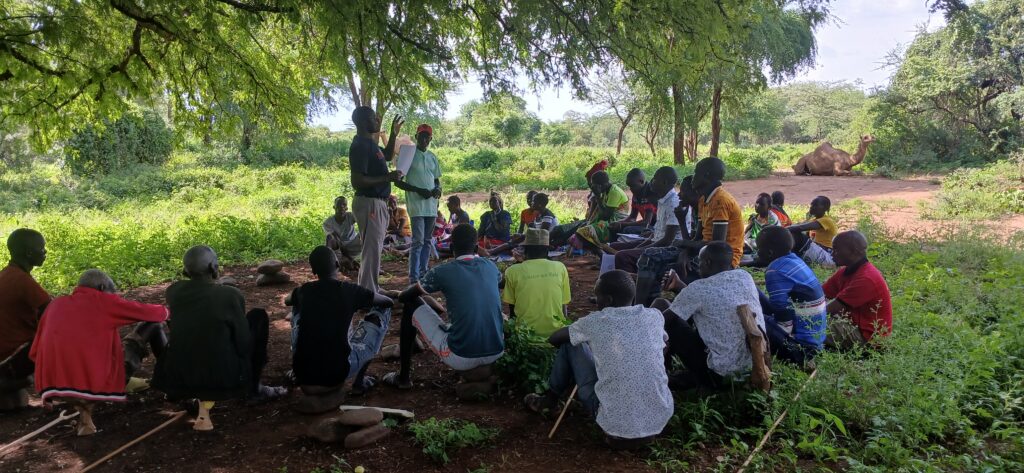
Shalom-SCCRR staff continue to operate in this highly insecure environment, where rough and often impassable roads make it difficult to reach some communities. During the rainy season, landslides further limit our access to conflict-affected areas thus delaying service delivery on conflict transformation and peacebuilding interventions.
To strengthen peace and development nexus, for the past 3 Years of intervention in Elgeyo Marakwet and Baringo counties in Northern Kenya, Shalom-SCCRR has supported 13 schools and other institutions with infrastructure, learning material, furniture, solar system and boarding facilities benefiting over 8000 leaners.
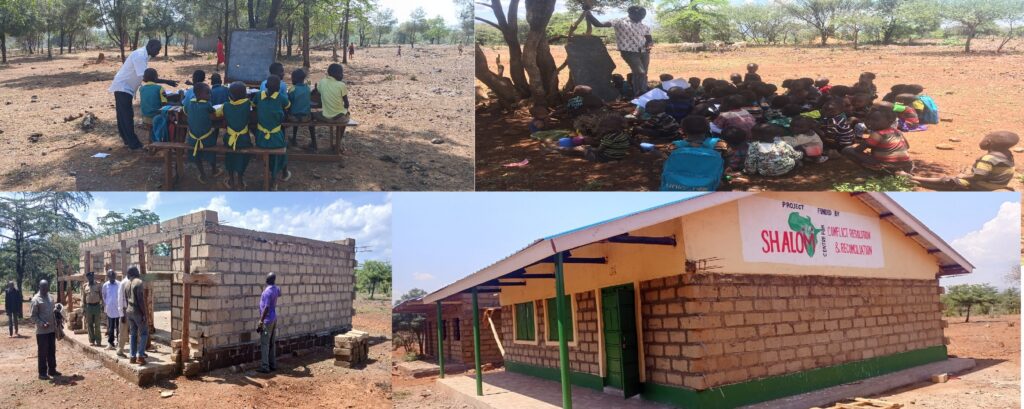
Furthermore, 14 peace clubs have been established in 14 schools with 28 peace club patrons and matrons trained to support peace education initiatives in promoting a culture of peace in schools. A total of over 1000 peace club members have been trained through Shalom-SCCRR peace education programs in these schools
The communities in the Kerio Valley that is; Marakwet, Tugen and Pokot continue to face difficult socio-economic challenges as many households have limited access to essential services and livelihoods. One of the women during the forum at Kinyach shared her experience that, this persistent conflicts between our communities have led to killing, maiming and displacement, often disrupted our livelihood, our economic activities and the worst of all it has weakened our relationship and the unity that once existed among us.
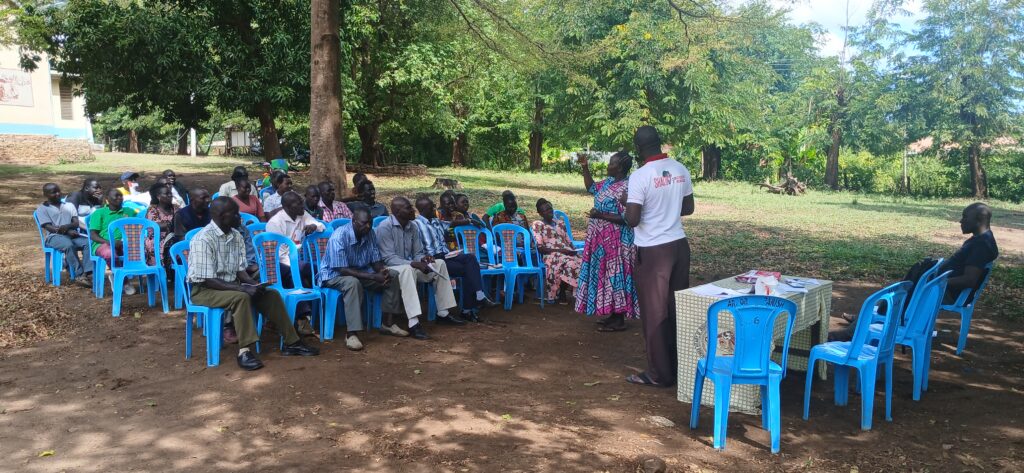
In connection to her reflection that depicts the reality experienced by families along the Kerio Valley, it is indeed difficult for these communities as frequent droughts intensifies, there arises competition over scarce natural resources particularly water and grazing land, thus increasing tensions among these neighbouring communities. On the same note, during the rainy season, with some parts of the region prone to landslides, many families remain in danger as damaged roads isolate many villages, further making it difficult to access thus affecting the delivery of services and implementation of conflict transformation and peacebuilding initiatives.
Shalom-SCCRR Research
To ensure the quality and credibility of the project findings, 17 research assistants were trained on ethical research and data collection practices for conflict intervention helping much in identifying and addressing the underlying root causes of conflict along the Kerio Valley.

The training led by Shalom- SCCRR director of research, Prof. Peter Wanyande, covered important topics such as informed consent, voluntary participation, confidentiality and privacy, data protection, respect for participants, professional conduct, effective interviewing techniques, accurate recording of responses, and adherence to research protocols. The training equipped the Research Assistants with the knowledge and practical skills required to collect reliable and accurate information while safeguarding the dignity, rights, and wellbeing of all participants throughout the research process.
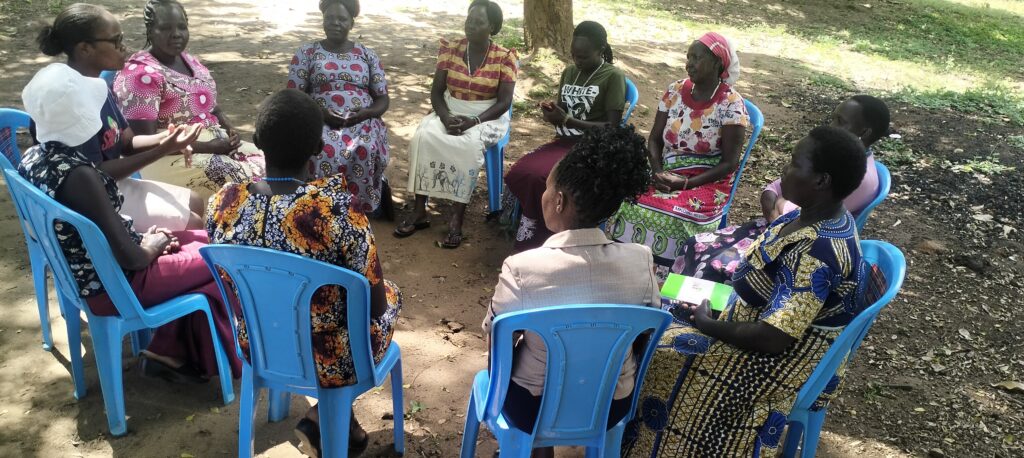
To strengthen local ownership of these peace process 24 trained Shalom-SCCRR peace group members drawn from the 3 ethnic communities of Marakwet, Pokot and Tugen forming a joint peace committee engage in dialogue and coordination of conflict transformation and peacebuilding intervention meetings along the Kerio Valley after every two months.
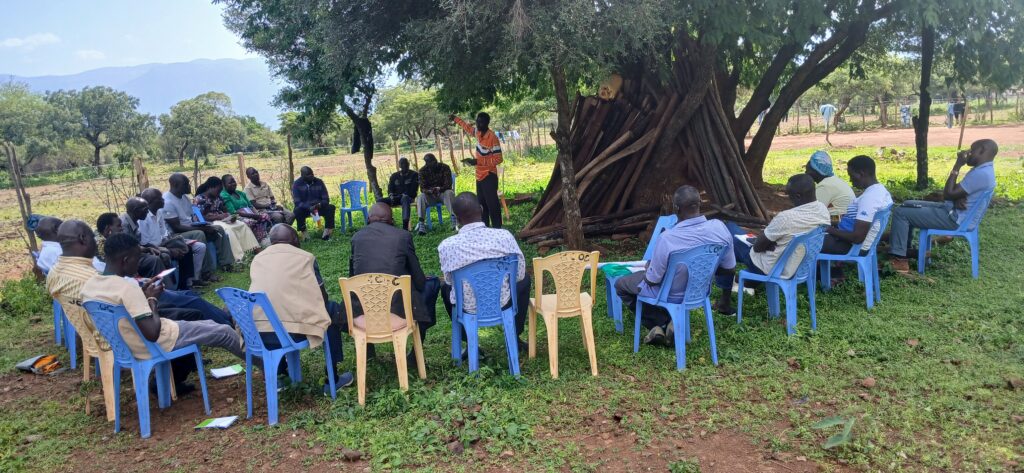
Shalom-SCCRR Efforts in Building Local Capacity for Peace
Despite all these challenges, Shalom-SCCRR has continued to intensify conflict transformation and peacebuilding intervention as well as school/educational development initiatives in the region. The methodology that Shalom-SCCRRhas employed in the project has received strong support from both community members and local government officials, who acknowledge Shalom-SCCRR’s projects contribution to promoting peace, restoring trust among communities, and how it is complementing government efforts in fostering peaceful coexistence and sustainable development along the Kerio Valley.
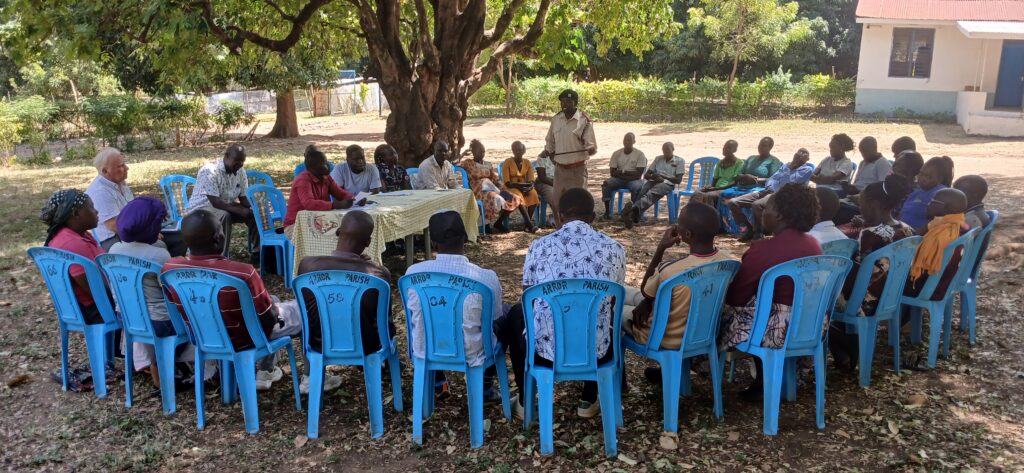
The trainings helped in enhancing their capacity to engage in dialogue, strengthen and restore broken relationships, as they develop practical solutions for peaceful coexistence.

Accordingly, assistant chief Philemon Chelang’a a trained Shalom-SCCRR community facilitator from Chesuman location notes that, the intervention by Shalom-SCCRR has indeed transformed the conflict situation in the Kerio valley into peaceful coexistence among the communities, such that the trained community facilitators are now confidently intervening in conflict situation and sharing their knowledge and skills with community members at the grassroots level.
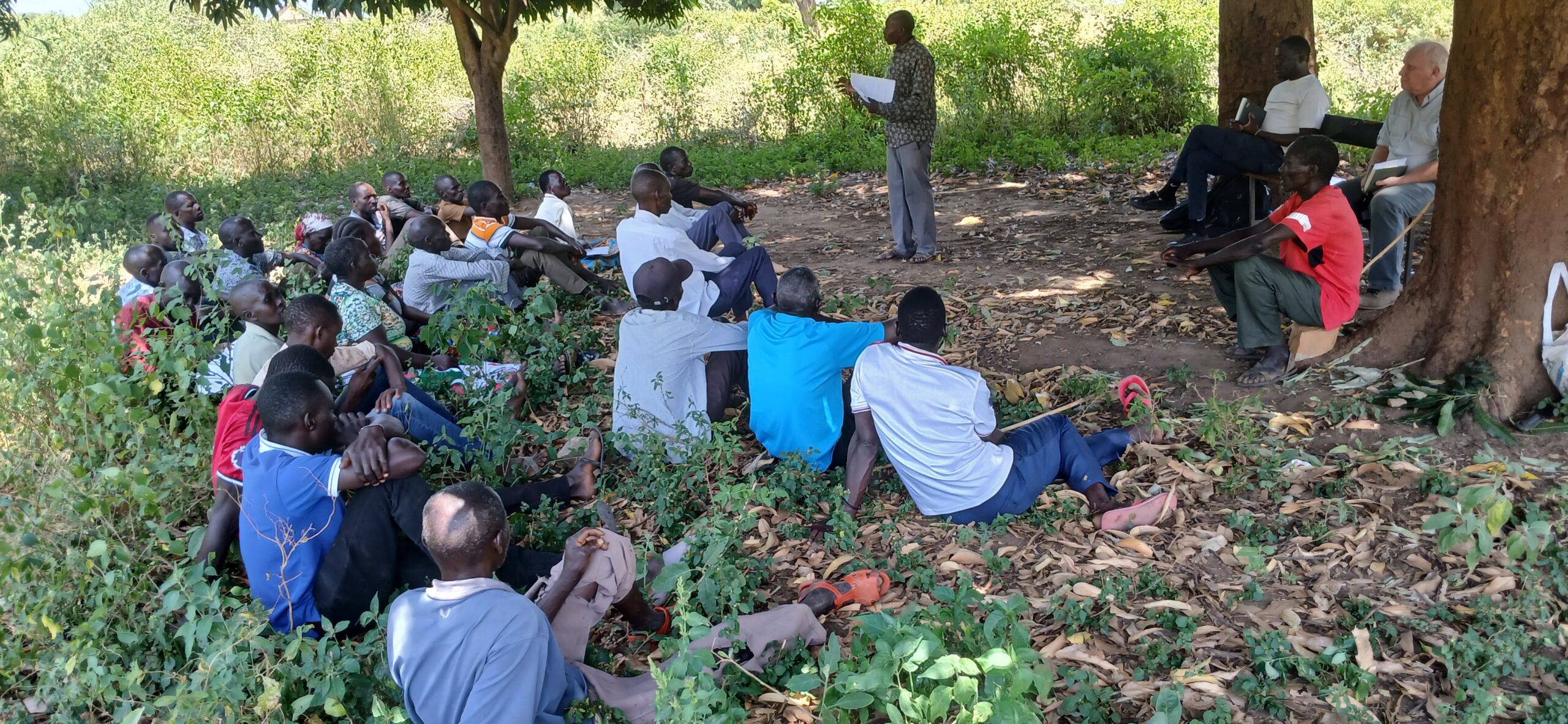
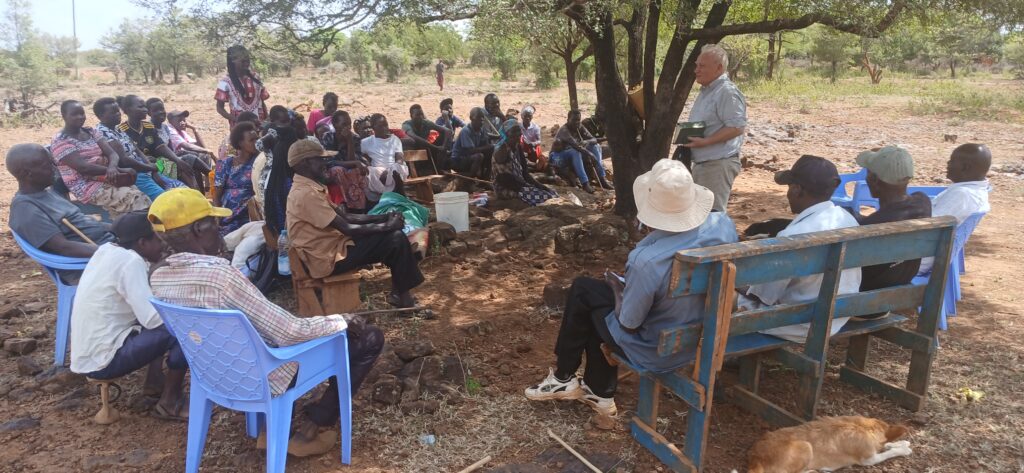
Assistant Chief Philemon Chelang’a, a trained Shalom-SCCRR community facilitator from Chesuman Location in Elgeyo Marakwet County along the Kerio Valley, leads a conflict transformation training-forum, equipping community members with practical skills to resolve conflicts peacefully and build lasting peace.
Accordingly, with continued support from Shalom-SCCRR professional team, the trained facilitators now have the capacity to organize and engage communities living along the Kerio Valley in conflict transformation and peacebuilding forums. Through these transformative forums, the trained Shalom-SCCRR community facilitator have continued to provide safe space where community members openly discuss and get to understand the benefits of transforming conflict into peaceful coexistence.
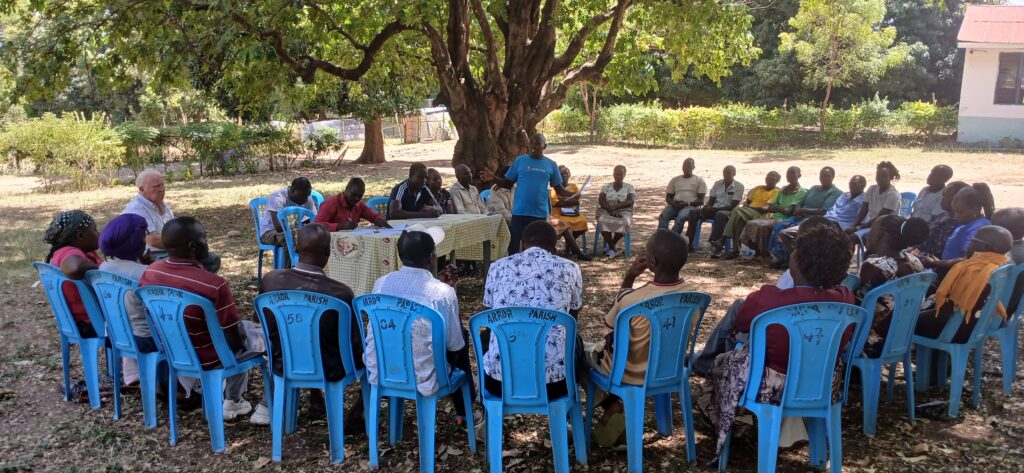
The participatory approach to these training-forums have encouraged community members to freely participating and openly share their experiences and reflect on the long-term effect of the conflict. The trained key influential opinion shapers together with the community members have the capacity to identify underlying root causes of violent conflicts along the Kerio Valley, as they together developed locally owned practical solutions to address and prevent any future conflict in the region. Chief Michael Kakuko a trained Shalom-SCCRR peace group member from Kipnai noted that, the intervention approach by shalom-SCCRR to the conflict along the Kerio Valley has been unique and impactful, such that people who looked at each other as enemies now trust each other, the relationship has improved, as communities interact freely, young people are engaging in joint activities, for example our youth are farming to together along the Kerio river, there is free movement as the three communities share market places are shared peacefully and cases of livestock theft has significantly reduced, with the stolen animals increasingly being traced and returned.

Beyond resolving immediate disputes, the trained Shalom-SCCRR community facilitators has helped the grassroot community members to understand how conflict affects relationships, communication patterns, and social structures; and that sustainable peace requires transforming our attitudes, behaviour, relationship, structures and culture that drive conflict. This helped the grassroot community members to acknowledge the important of acting by replacing mistrust, hostility and hatred with cooperation and constructive peaceful relationship.
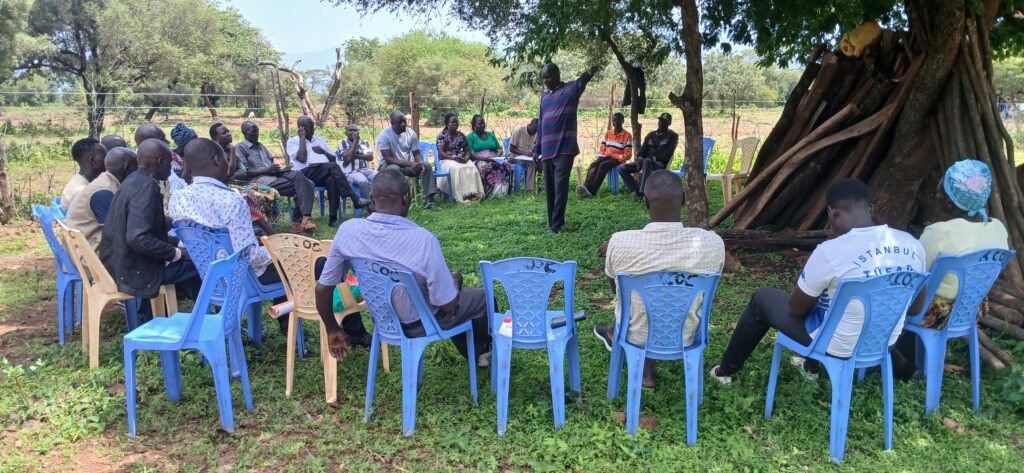
Impacts of Conflict Transformation and Peacebuilding Interventions
Shalom-SCCRR’s peacebuilding and conflict transformation trainings and forums have continued to enhance the capacity of the community members to analyze and identify underlying root causes of conflict along the Kerio Valley. The trainings have also enabled the participants to reflect and realize on how individual attitudes, emotions, and behaviours can either fuel conflict or promote peace. As a result, the trained key influential opinion shapers have gained the capacity to critically think and examine how important it is to influence peace and stability through communication, restoring trust, and rebuild relationships among the Pokot, Tugen and Marakwet communities. Isaac Yano a National Police reserviced and a trained Shalom-SCCRR peace committee member from Arror, notes that, Shalom-SCCRR intervention to the conflict has changed the social and economic lives of the Marakwet and our neighbours Tugen and Pokot communities, Shalom-SCCRR, through your trainings, you have helped us recognize that sustainable peace requires people to positively change at both the individual and community levels.
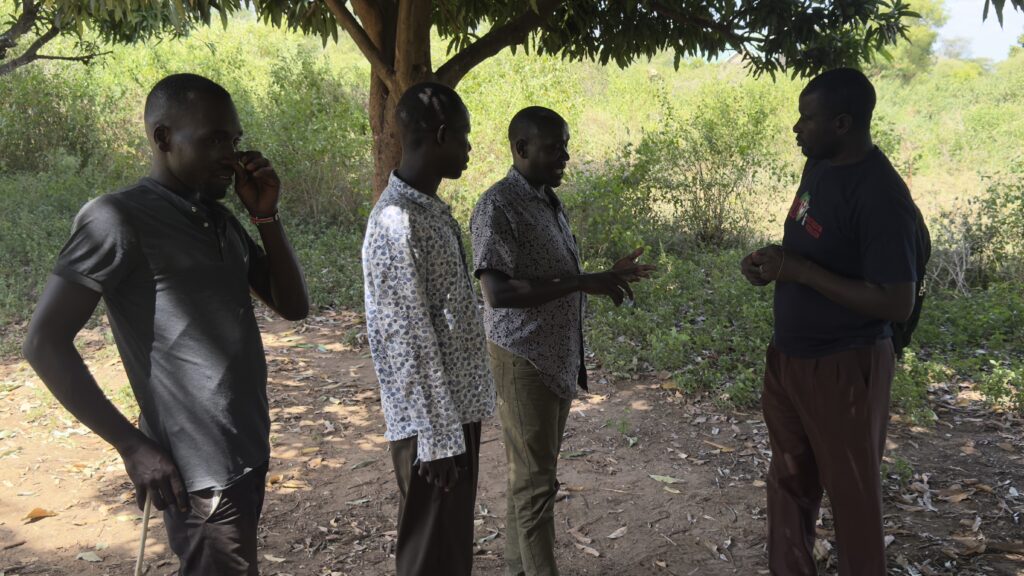
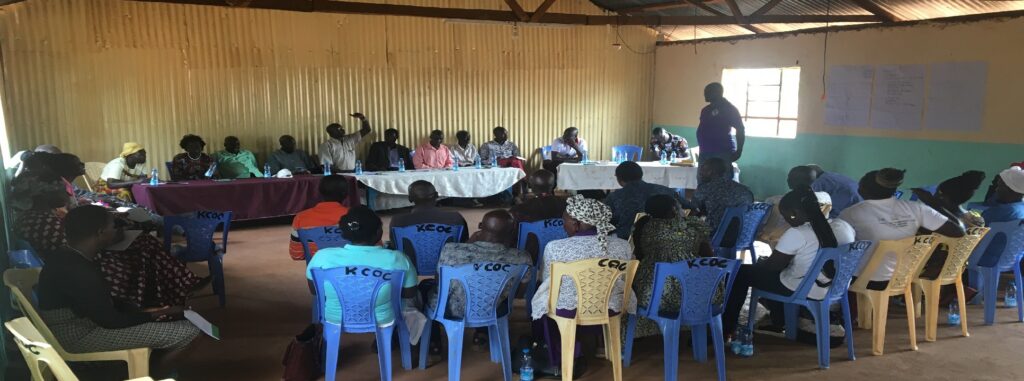
Through this intervention, the communities have jointly come up with practical actions that have strengthened peaceful coexistence among the three communities. Their commitment and consistence in implementation of the Shalom-SCCRR approach on conflict intervention process has led them to jointly organize regular conflict transformation and peacebuilding forums and meetings which have strengthened the communication among elders, youth, women leaders, and local administrators. These forums have created collaboration, interaction and sharing of natural resources including grazing land and water points thus fostering peaceful coexistence.
The key influential opinion shapers are also actively involved in mentoring youth by equipping them with essential conflict resolution, peacebuilding and livelihood skills which is indeed transforming their violent attitude and behaviours as they now jointly engage in productive economic and social activities as ambassadors for peace within their communities. Lydia Kiplalon a trained Shalom-SCCRR group animator from Kipnai, puts it that, before Shalom-SCCRR began to intervene to this conflict, there was a lot of hatred, fears and restricted movement. Many homes and farms were abandoned because of the conflict and insecurity, but with the coming of Shalom-SCCRR, today things have changed our communities are now interacting freely, we are jointly farming together, participating in sports and meet peacefully during market days to sell our products. The intervention which resulted to these activities has helped rebuild trust and strengthen our relationship.
The established Joint peace committee meetings have helped much in restoring the broken relationship, strengthened collaboration as the three ethnic communities remain focused to reinforce their commitment to supporting future peace initiatives that will ensure there is a shared peaceful coexistence among them.
Through this, willingness to strengthen relationships, improve communication, and work collectively towards peaceful coexistence, community members are now reporting any emerging issues that can cause tension thus enabling the trained Shalom-SCCRR peace actors to intervene before conflicts escalate.
Impacts of Shalom- SCCRR intervention on School/Educational Development and Peace Education in schools
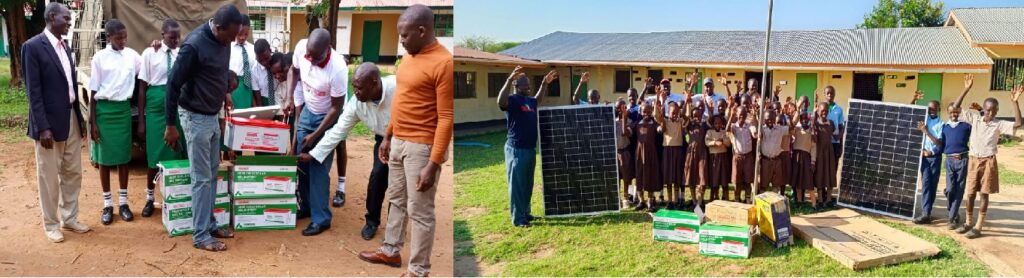
The school/educational development initiatives have significantly improved the learning environment and the well-being of learners and teachers. The provision of water storage tanks in schools has ensured reliable supply of clean water for drinking and sanitation.
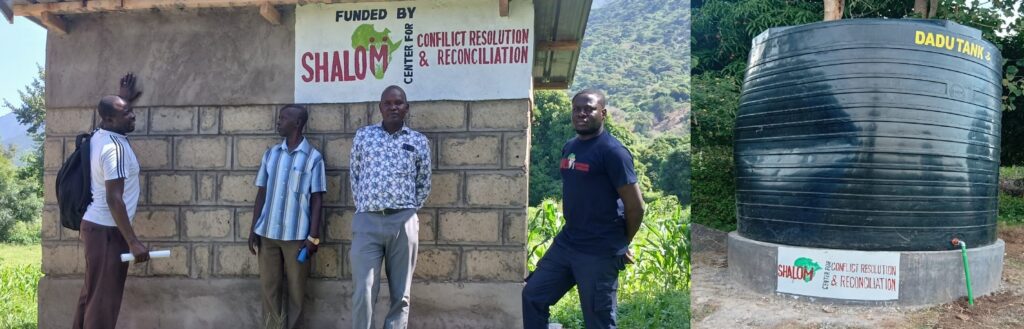
The construction of pit latrines in schools along the Kerio valley has enhanced hygiene and reduced the risk of waterborne diseases. The construction of standard classroom has created a safe and conducive learning space for the learners, and the installation of solar power systems provides reliable electricity, enabling teaching and learning to continue even during periods without grid power.
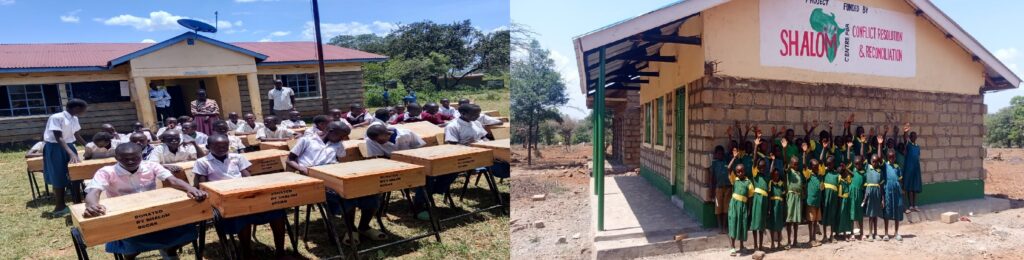
The provision of lockers, chairs, beds, mattresses, and mosquito nets improved students’ comfort, health, and security, particularly for those in boarding facilities, contributing to better attendance, concentration, and academic performance.
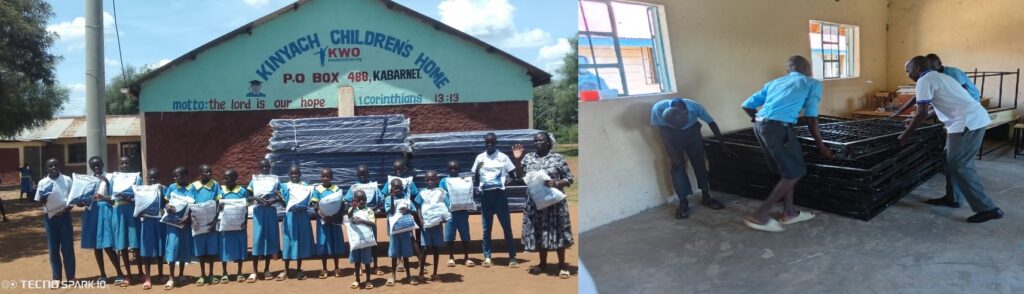
In addition, the renovation of houses within the church compound that had been damaged during conflict restored essential accommodation for staff and strengthened the school’s capacity to provide quality education. Collectively, these interventions enhanced access to education, increased school retention, and fostered a safe, stable, and supportive learning environment for both learners and educators.
Conclusion
The Shalom-SCCRR conflict transformation initiative along the Kerio valley clearly shows how lasting peace is achieved through active community participation, continuous dialogue, and shared responsibility. More so, the commitment shown by the shalom-SCCRR trained key influential opinion shaper including leaders, teachers, and young people has indeed provided a strong foundation for sustaining peace, strengthening social cohesion, and building resilient communities along the Kerio Valley.
We at Shalom-SCCRR sincerely thanks all our donors, partners supporters and friends for your generosity and unwavering commitment to support this vital conflict transformation and peacebuilding work by Shalom. It is through your investment that these achievements have become possible hence inspiring hope and sustainable peace to all the communities we serve from the marginalized and conflict prone areas.
Author: Mr. Arthur Magero Abonyo, MA, Shalom-SCCRR, Project Officer, Elgeyo Marakwet Project
Relevant Links
- Magero, A. (2025, Oct 28). From Valley of Death to Valley of Peace: Shalom-SCCRR’s Transformative Intervention in Kerio Valley https://shalomconflictcenter.org/from-valley-of-death-to-valley-of-peace-shalom-sccrrs-ongoing-transformative-interventions-in-kerio-valley/
- Magero, A. (2024, Jan 23). Shalom-SCCRR Intervenes on an Urgent Mission to Transform the Persistent Violent Conflict Among the Marakwet, Pokot, and Tugen Living in Kerio Valley, Kenya. https://shalomconflictcenter.org/shalom-sccrr-intervenes-on-an-urgent-mission-to-transform-the-persistent-violent-conflict-among-the-marakwet-pokot-and-tugen-living-in-kerio-valley-kenya/
- Shalom-SCCRR 16 Years Results and Achievements. https://shalomconflictcenter.org/wp-content/uploads/2026/04/16-Years-Shalom-SCCRR-Results-and-Achievements-LV.pdf
- Devine, Patrick R. (2025). Shalom-SCCRR’s Conflict Transformation and Peacebuilding Intervention Methodology, Processes and Spiritual Rationale (Synopsis) with 16 years Results.https://shalomconflictcenter.org/shalom-sccrr-intervention-methodology-conflict-management-continuum-diagram-and-a-brief-rationale-overview-with-16years-results/
- Shalom-SCCRR Chairman’s Report for 2025; Rev. Dr. Patrick Devine with pictures, captions, and links added by the Shalom-SCCRR Communication Department. https://shalomconflictcenter.org/shalom-sccrr-chairmans-report-for-2025-rev-dr-patrick-devine/
- 2025 School/Educational Development Results and Achievements. https://shalomconflictcenter.org/2025-school-educational-development-results-and-achievements/
- 2025 Conflict Transformation & Peacebuilding Results and Achievements. https://shalomconflictcenter.org/2025-conflict-transformation-peacebuilding-results-and-achievements/
- 2025 Shalom Empowerment Center (SEC) Addressing Violence Against Women and Children Results and Achievements. https://shalomconflictcenter.org/2025-shalom-empowerment-center-sec-addressing-violence-against-women-and-children-results-and-achievements/
- Kibe, E. (2026, June 27). Rev. Dr. Patrick Devine’s Presentation at the Tangaza University, School of Philosophy Symposium.
https://shalomconflictcenter.org/rev-dr-patrick-devines-presentation-at-the-tangaza-university-school-of-philosophy-symposium/ - Odhiambo, J. K. (2026, June 18). Some of the Global Recognition of Shalom-SCCRR’s Conflict Transformation-Peacebuilding Approach. https://shalomconflictcenter.org/the-global-recognition-of-shalom-sccrrs-conflict-transformation-peacebuilding-approach/
- Otieno, K. (2026, July 3). The Nexus Between Logistics in Transportation, Delivery Management, and the Success of Shalom-SCCRR’s Peacebuilding and Educational Development Programs: Reflections from My Experience. https://shalomconflictcenter.org/the-nexus-between-logistics-in-transportation-delivery-management-and-the-success-of-shalom-sccrrs-peacebuilding-and-educational-development-programs-reflections-from-my-experience/
- Ngala, C & Osiro, M. (2026, June 22). Conflict Transformation-Hope Realized: My Journey with Shalom-SCCRR’s Peacebuilding in Mathare Slum, Nairobi, Kenya. https://shalomconflictcenter.org/conflict-transformation-hope-realized-my-journey-with-shalom-sccrrs-peacebuilding-in-mathare-slum-nairobi-kenya/
- Shalom-SCCRR. (2025, Oct 3). Rev. Dr. Patrick Devine 2025 International Lectures and Presentations. https://shalomconflictcenter.org/rev-dr-patrick-devine-2025-international-lectures-and-presentations/
- Kipkoech, K. & Ndiema, R. (2025, Oct 6). Stewardship at the Shalom Center for Conflict Resolution and Reconciliation (SCCRR). https://shalomconflictcenter.org/stewardship-at-the-shalom-center-for-conflict-resolution-and-reconciliation-sccrr/
- Osiro, M. (2025, August 15). Shalom-SCCRR’s Peacebuilding Interventions; Leveraging Negotiation and Mediation to Realize Positive Peace for Communities Living in Kibera Slums, Nairobi, Kenya. https://shalomconflictcenter.org/shalom-sccrrs-peacebuilding-interventions-leveraging-negotiation-and-mediation-to-realize-positive-peace-for-communities-living-in-kibera-slums-nairobi-kenya/
- Domit, P. S. & Devine, P. (2024). Shalom Center for Conflict Resolution and Reconciliation (SCCRR): Addressing the Violence of Human and Organ Trafficking. https://shalomconflictcenter.org/shalom-center-for-conflict-resolution-and-reconciliation-sccrr-addressing-the-violence-of-human-and-organ-trafficking/
- Devine, P. R. (2025). Conflict and Religion in Eastern Africa: A Conceptual Consideration of Radicalisation, Fundamentalism, Extremism, Terrorism, Tolerance, and Their Interaction Dynamics. https://shalomconflictcenter.org/wp-content/uploads/2025/07/Patrick-Devine-Tangaza-Journal-Conflict-and-Religion-in-Eastern-Africa-Jun-2025.pdf